
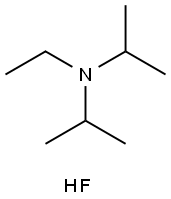
Diisopropylethylamine trihydrofluoride(CAS#131600-43-6)
| Hazard Symbols | T+ – Very toxic |
| Risk Codes | R26/27/28 – Very toxic by inhalation, in contact with skin and if swallowed. R35 – Causes severe burns |
| Safety Description | S26 – In case of contact with eyes, rinse immediately with plenty of water and seek medical advice. S36/37/39 – Wear suitable protective clothing, gloves and eye/face protection. S45 – In case of accident or if you feel unwell, seek medical advice immediately (show the label whenever possible.) S7/9 - |
| UN IDs | UN 2922 8/PG 1 |
| HS Code | 29211990 |
Introduction
N,N-diisopropylethylamine trihydrofluoride, chemical formula C6H16F3N2, is an organic compound. The following is a description of its nature, use, preparation and safety information:
Nature:
-Appearance: A colorless or yellowish solid.
-Melting point: about 45-50°C.
-Boiling point: about 95-100°C.
-Solubility: It is soluble in common organic solvents, such as ethers, alcohols and ketones, but its solubility in water is low.
Use:
- N,N-diisopropylethylamine trihydrofluoride is commonly used as a chemical reagent to act as a catalyst or reagent in organic synthesis reactions.
-It can also be used as a flushing agent and extractant in alkaline systems in organic chemical reactions.
Preparation Method:
- N,N-diisopropylethylamine trihydrofluoride can be prepared by reacting diisopropylamine with hydrofluoric acid. Hydrofluoric acid plays the role of protonating agent in this reaction.
Safety Information:
- N,N-diisopropylethylamine trihydrofluoride is a strong base compound, and it is necessary to pay attention to safety during use or operation.
-Avoid direct contact with skin, eyes or respiratory tract during handling.
-Wear appropriate personal protective equipment such as safety glasses, gloves and protective clothing when using chemicals.
-When storing, keep it in a dry, cool and well-ventilated place, away from fire and oxidizing agents.
-Please manage and dispose the waste of this compound properly to comply with local environmental regulations.