
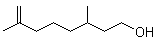
Hexanoic acid(CAS#142-62-1)
| Risk Codes | R34 – Causes burns R21 – Harmful in contact with skin R20/21/22 – Harmful by inhalation, in contact with skin and if swallowed. |
| Safety Description | S26 – In case of contact with eyes, rinse immediately with plenty of water and seek medical advice. S36/37/39 – Wear suitable protective clothing, gloves and eye/face protection. S45 – In case of accident or if you feel unwell, seek medical advice immediately (show the label whenever possible.) S25 – Avoid contact with eyes. |
| UN IDs | UN 2829 8/PG 3 |
| WGK Germany | 1 |
| RTECS | MO5250000 |
| FLUKA BRAND F CODES | 13 |
| TSCA | Yes |
| HS Code | 29159000 |
| Hazard Note | Irritant |
| Hazard Class | 8 |
| Packing Group | III |
| Toxicity | LD50 orally in rats: 3.0 g/kg (Smyth, Carpenter) |
Introduction
Hexanoic acid, also known as caproic acid, is a colorless liquid with a pungent odor. The following is an introduction to the properties, uses, preparation, and safety information of hexanoic acid:Properties:- Appearance: Colorless liquid with a characteristic pungent odor.- Density: 0.928 g/cm³- Solubility: Easily soluble in organic solvents such as ethanol, ether, and benzene.Uses:Preparation:- The common method for preparing hexanoic acid is through the oxidation of hexane. In the reaction, a transition metal catalyst, such as a rhodium catalyst, is generally used to facilitate the reaction of hexane with oxygen to produce hexanoic acid.Safety Information:- Hexanoic acid is irritating; if it comes into contact with skin or eyes, rinse immediately with water.- Care should be taken to avoid inhaling its vapors, and it should be used in a well-ventilated area.- Hexanoic acid is of low toxicity, but long-term exposure may cause skin irritation and respiratory issues, so prolonged exposure or inhalation of its vapors should be avoided.- During the storage and transportation of hexanoic acid, avoid exposure to sunlight and high temperatures, and prevent contact with oxidizers and strong acids.