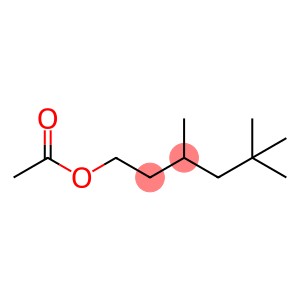
Methylhexahydrophthalic anhydride(CAS#11070-44-3)
| Hazard Symbols | Xn – Harmful |
| Risk Codes | R36/37/38 – Irritating to eyes, respiratory system and skin. R42/43 – May cause sensitization by inhalation and skin contact. R41 – Risk of serious damage to eyes |
| Safety Description | S26 – In case of contact with eyes, rinse immediately with plenty of water and seek medical advice. S36/37/39 – Wear suitable protective clothing, gloves and eye/face protection. S37/39 – Wear suitable gloves and eye/face protection S24 – Avoid contact with skin. S22 – Do not breathe dust. |
| UN IDs | UN 3082 9/PG III |
| RTECS | TI3325000 |
| Hazard Class | 9 |
| Packing Group | III |
Introduction
2-Methyltetrahydrophthalic anhydride is an organic compound. Here’s some information about its properties, uses, preparation, and safety:Properties:- Appearance: 2-Methyltetrahydrophthalic anhydride is a solid that is colorless or slightly yellow.- Solubility: It dissolves in some organic solvents, like ethanol and ether, but is poorly soluble in water.Uses:- 2-Methyltetrahydrophthalic anhydride can be used as an intermediate for dyes, pharmaceuticals, and adhesives.- In organic synthesis, it can serve as a starting material or intermediate for making other organic compounds, such as heterocycles and fluorescent dyes.Preparation:- You can prepare 2-Methyltetrahydrophthalic anhydride by reacting benzene para-anhydride with methanol in the presence of a catalyst.Safety Information:- Avoid inhalation, ingestion, or contact with skin and eyes. Use protective measures if necessary, like gloves, goggles, and a respirator.- If swallowed or if it comes into contact with skin or eyes, rinse immediately with plenty of water and seek medical attention right away.