
Thyme Oil(CAS#8007-46-3)
| Hazard Symbols | C – Corrosive |
| Risk Codes | 34 – Causes burns |
| Safety Description | S26 – In case of contact with eyes, rinse immediately with plenty of water and seek medical advice. S36/37/39 – Wear suitable protective clothing, gloves and eye/face protection. S45 – In case of accident or if you feel unwell, seek medical advice immediately (show the label whenever possible.) |
| UN IDs | UN 1760 8/PG 3 |
Thyme Oil(CAS#8007-46-3) Introduction
Effects:
1. Boosting immunity: Thyme essential oil has strong anti-infective properties and can promote the proliferation of white blood cells, thereby enhancing the body’s resistance to viruses, bacteria, and other pathogens.
2. Treating respiratory diseases: Thyme essential oil is an excellent lung anti-infective agent and can treat various respiratory infections, as well as oral and throat infections. It is commonly used to treat colds, coughs, and sore throats.
3. Antibacterial and anti-inflammatory: Thyme essential oil has antibacterial and antiviral properties, which can effectively inhibit dandruff and hair loss and treat skin conditions such as acne and eczema.
4. Improving the digestive system.
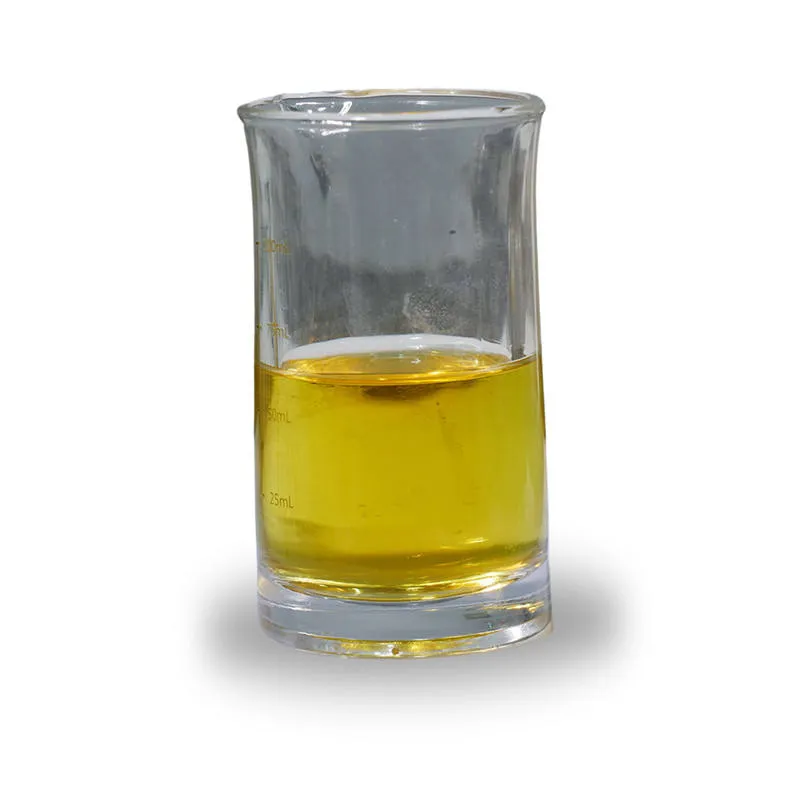
Introduction: Thyme essential oil is derived from Lamiaceae plants along the Mediterranean coast. It has a light yellow appearance and rich components, such as thymol and caryophyllene.
Applications: Thyme essential oil has a strong aroma and can be used as a natural seasoning. Additionally, its essential oil has strong antioxidant and antibacterial properties, making it an excellent natural preservative, antioxidant, and food stabilizer. Therefore, it is widely used in the pharmaceutical, cosmetic, and food industries.
Usage: Thyme essential oil can be applied topically, sprayed, used in hair care, or in aromatherapy. For example, it can be mixed with a carrier oil for massage to relieve menstrual discomfort, or a few drops can be added to a diffuser to boost immunity and relieve stress.