
Buchu Oil(CAS#68650-46-4)
| Risk Codes | R22 - Harmful if swallowed R43 - May cause sensitization by skin contact R51/53 - Toxic to aquatic organisms, may cause long-term adverse effects in the aquatic environment. R65 - Harmful: May cause lung damage if swallowed R50/53 - Very toxic to aquatic organisms, may cause long-term adverse effects in the aquatic environment. |
| Safety Description | S36/37 - Wear suitable protective clothing and gloves. S61 - Avoid release to the environment. Refer to special instructions / safety data sheets. S62 - If swallowed, do not induce vomitting; seek medical advice immediately and show this container or label. |
| UN IDs | UN3082 - class 9 - PG 3 - DOT NA1993 - Environmentally hazardous substances, liquid, n.o.s. HI: all (not BR) |
| WGK Germany | 3 |
Introduction
Brussels oil, also known as a wood preservative, is a widely used chemical. The following is an introduction to the properties, uses, preparation methods and safety information of Buku oil:Quality:- Bruce oil is a colorless to yellowish liquid with a specific odor.- It is a mixture of chemically synthesized compounds with the main components being benzothiazoles and benzothiadiazides.- Cloth oil has good antiseptic properties and can inhibit the erosion of wood by fungi and insects.Use:- Cloth oil is mainly used as a preservative in wood and wood products, which can make wood durable and insect-resistant.- It is widely used in construction, furniture, shipbuilding, gardening, and other fields to protect wood from decay and biological damage.Preparation method:- The method of making cloth oil is usually obtained by chemical synthesis.- A common method is to react compounds such as benzothiazoles and benzothiadiazides to obtain the finished product of Buku oil through appropriate process steps.Safety Information:- Bush oil is a toxic chemical and should be used in accordance with relevant safety operating procedures.- When using cloth oil, wear protective gloves, glasses and a mask to avoid direct contact or inhalation of its vapors.- Discarded cloth oil should be safely disposed of in accordance with local environmental regulations to avoid pollution to the environment.Before using Buku oil, it is important to read the specific instructions and safety data sheets on the product label and follow the guidance provided by the manufacturer.
Application
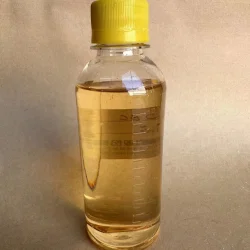
Buchu oil (CAS 68650-46-4), also known as buchu leaf oil, is a steam-distilled essential oil from the leaves of Agathosma betulina (Barosma betulina), a shrub native to South Africa. This pale yellow to greenish-yellow mobile liquid possesses a complex, powerful, and characteristic aroma often described as sweet, fruity, blackcurrant-like, cassis, with tropical notes of peach, mango, and guava, complemented by a herbaceous, minty-camphoraceous undertone. In the flavor industry, buchu oil is a key ingredient used to impart authentic blackcurrant, berry, and tropical fruit notes to beverages, confectionery, baked goods, dairy products, and candies. It is approved for use as a natural flavoring substance by the FDA (21 CFR 172.510) and has been affiliated with FEMA No. 2169. Typical usage levels range from 1.9 mg/L in non-alcoholic beverages to 25.12 mg/kg in hard candy. In the fragrance industry, buchu oil serves as a substantive middle-to-base note and fixative in fine perfumery, colognes, soaps, shampoos, lotions, and household products. It provides a natural fruity, blackcurrant, and green character to floral, fruity, chypre, and fougère compositions, and is especially valued for adding a realistic cassis note in modern perfumery. The oil is also incorporated into cosmetics and personal care products as a skin conditioning agent. Additionally, buchu oil is used in pharmaceutical preparations for its antiseptic, diuretic, and mild urinary tract anti-inflammatory properties, historically listed in the British Pharmacopoeia. It is also employed as a natural insect repellent and as an intermediate in the synthesis of sulfur-containing aroma chemicals, such as p-mentha-8-thiol-3-one. Conventional buchu oil contains significant levels of pulegone, diosphenol, limonene, and menthone, which contribute to its distinct profile but also require careful dosage control. High-purity buchu oil ensures consistent olfactory and bioactive performance. Xinchem offers custom synthesis, custom chemical synthesis, and contract manufacturing of high-purity buchu oil with flexible scaling from R&D to commercial tons. We supply nature-derived buchu oil (FEMA 2169) with full compliance to FDA, IFRA, and GB 2760 standards. Contact us today for a competitive quote and reliable global supply.