
Lemongrass Oil(CAS#8007-02-1)
| Hazard Symbols | Xi - Irritant |
| Risk Codes | R38 - Irritating to the skin R36/37/38 - Irritating to eyes, respiratory system and skin. |
| Safety Description | S26 - In case of contact with eyes, rinse immediately with plenty of water and seek medical advice. S36 - Wear suitable protective clothing. |
| UN IDs | 1760 |
| WGK Germany | 3 |
| RTECS | OG8257000 |
| FLUKA BRAND F CODES | 8 |
| Hazard Class | 8 |
| Packing Group | III |
| Toxicity | Both the acute oral LD50 value in rats and the acute dermal LD50 value in rabbits exceeded 5 g/kg |
Introduction
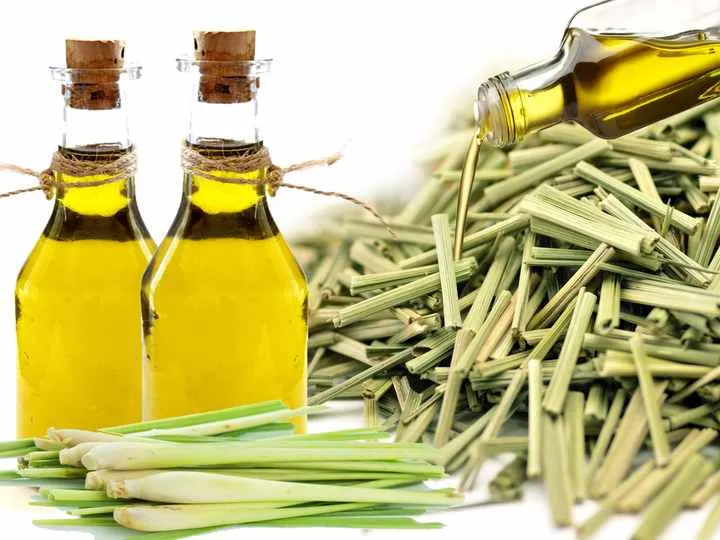
Lemongrass oil is an essential oil extracted from lemongrass (scientific name: Cymbopogon citratus). It has a fresh lemon aroma and aromatic note. It is mainly composed of compounds such as limonene, cinnamaldehyde, citronello, etc.
Lemongrass oil has many uses. Secondly, it is also commonly used to make products such as soaps, scented candles, and perfumes. Lemongrass oil is also used in the medicinal field and has certain antibacterial and insecticidal effects. It can also be used as an ingredient in wind oil essence, which is used to repel insects and soothe muscle pain.
The method of making lemongrass oil can be obtained by distilling the leaves and stems of the lemongrass plant. During the distillation process, the volatile components of lemongrass are extracted and condensed into a liquid form of essential oil in a still.
Safety Information: Lemongrass oil is generally considered relatively safe, but there are still the following things to keep in mind. With its high concentration, lemongrass oil should avoid direct contact with the skin to avoid causing inflammation or irritation. Secondly, lemongrass oil should be used diluted and should not be taken internally. Pregnant women, breastfeeding women, and children should consult a doctor before use. Lemongrass oil can trigger allergic reactions, and if allergy symptoms occur, discontinue use immediately. Before using any essential oil, be sure to read the product instructions and follow proper usage instructions
Application
Lemongrass oil (CAS 8007-02-1) is a steam-distilled essential oil from Cymbopogon citratus or Cymbopogon flexuosus, containing high levels of citral (65-85%). It exhibits a strong, fresh, lemon-like, herbaceous, and slightly earthy aroma. In the flavor industry, it is used as a natural flavoring agent (FEMA 2624) to impart citrus and lemony notes to beverages, soups, sauces, curries, seafood, meat products, and baked goods. As a fragrance ingredient, it adds fresh, green, and citrusy top notes to perfumes, colognes, soaps, shampoos, detergents, and household cleaners. Lemongrass oil also possesses potent antimicrobial, antifungal, and insect repellent properties, making it valuable in natural preservatives, insect sprays, and pet care products. In aromatherapy, it is used for its uplifting and stress-relieving effects. Additionally, it serves as a source of citral for the synthesis of vitamin A, ionones, and other aroma chemicals. Xinchem offers custom synthesis, custom chemical synthesis, and contract manufacturing of high-purity lemongrass oil with flexible scaling from R&D to commercial tons. Contact us today for a competitive quote and reliable global supply.