
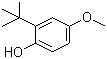
Butylated hydroxyanisole(CAS#25013-16-5)
| Hazard Symbols | Xn - Harmful |
| Risk Codes | R22 - Harmful if swallowed R40 - Limited evidence of a carcinogenic effect R36/37/38 - Irritating to eyes, respiratory system and skin. R51/53 - Toxic to aquatic organisms, may cause long-term adverse effects in the aquatic environment. |
| Safety Description | S36/37 - Wear suitable protective clothing and gloves. S36/37/39 - Wear suitable protective clothing, gloves and eye/face protection. S26 - In case of contact with eyes, rinse immediately with plenty of water and seek medical advice. S61 - Avoid release to the environment. Refer to special instructions / safety data sheets. S29 - Do not empty into drains. |
| UN IDs | 2811 |
| WGK Germany | 2 |
| RTECS | SL1945000 |
| TSCA | Yes |
| HS Code | 29093090 |
| Toxicity | LD50 in mice, rats (mg/kg): 2000, 2200 orally (Lehman) |
Introduction
A pungent odor with a specific phenolic odor. Leather aroma, insoluble in water, soluble in oil, ethanol, glycerin, propylene glycol. It is quite stable to heat and is not easy to destroy under weakly alkaline conditions.
Application
Butylated hydroxyanisole (BHA, CAS 25013-16-5) is a synthetic phenolic antioxidant widely used to prevent oxidative rancidity in fats, oils, and fat-containing foods. It is approved as a food additive (E320) in edible oils, snacks, meats, baked goods, cereals, and chewing gum, extending shelf life by scavenging free radicals. In animal feed, BHA protects vitamins and fatty acids from degradation. In cosmetics and personal care, it serves as a preservative and stabilizer for lipsticks, lotions, and creams. Industrial applications include rubber and plastic stabilization, fuel additives, and lubricants. Xinchem offers custom synthesis, custom chemical synthesis, and contract manufacturing of high-purity BHA with flexible scaling from R&D to commercial tons. Contact us today for a competitive quote and reliable global supply.