
Cinnamon oil(CAS#8007-80-5)
| Risk Codes | R21 – Harmful in contact with skin R36/37/38 – Irritating to eyes, respiratory system and skin. R43 – May cause sensitization by skin contact R50/53 – Very toxic to aquatic organisms, may cause long-term adverse effects in the aquatic environment. R36/38 – Irritating to eyes and skin. R24 – Toxic in contact with skin |
| Safety Description | S26 – In case of contact with eyes, rinse immediately with plenty of water and seek medical advice. S36 – Wear suitable protective clothing. S61 – Avoid release to the environment. Refer to special instructions / safety data sheets. S36/37 – Wear suitable protective clothing and gloves. S45 – In case of accident or if you feel unwell, seek medical advice immediately (show the label whenever possible.) |
| UN IDs | UN 2810 6.1/PG 3 |
| WGK Germany | 3 |
| RTECS | FL6340000 |
| FLUKA BRAND F CODES | 8 |
| Toxicity | The acute oral LD50 value in rats was reported as 3.4 ml/kg (2.9-4.0 ml/ kg) and the acute dermal LD50 value in rabbits as 0.69 ml/kg (0.58-0.82 ml/kg) (Shelanski, 1972). |
Cinnamon oil(CAS#8007-80-5) Introduction
Properties
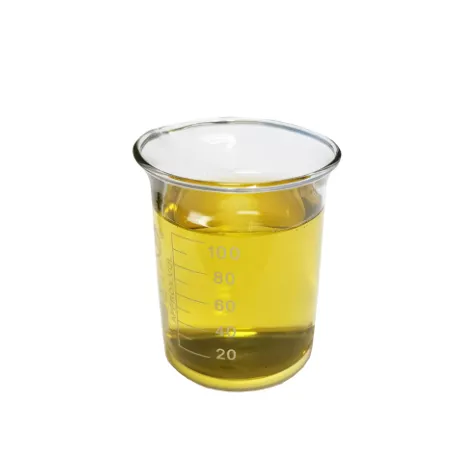
It is a volatile oil, a clear liquid ranging from yellow to reddish-brown in color, with the characteristic pungent, warm-sweet fragrance of Chinese cinnamon. It initially has a sweet taste, followed by a spicy flavor. When left for a long time or exposed to air, cinnamon oil gradually oxidizes into a dark brown viscous liquid. It is soluble in ethanol and glacial acetic acid, but insoluble in glycerin and mineral oil.
Preparation
The fresh branches, leaves, stems, and bark of the Chinese cinnamon tree (from the Lamiaceae family) are used as raw materials. The oil is extracted using steam distillation and further refined by fumigation. Because the relative density of cinnamon oil is greater than 1, when the distilled liquid separates, the oil sinks to the bottom of the water, making oil and water separation difficult and often producing a milky liquid. Therefore, demulsification techniques are required to improve oil yield.
Uses
It can be used for flavoring in tobacco, beverages, alcohol, and toothpaste. It can also be used in certain soaps and incense perfumes. Cinnamon aldehyde can be isolated from the oil and further used to synthesize various fragrances such as cinnamyl alcohol and cinnamate esters.

![5-chlorobenzo[d]thiazol-2-amine(CAS#20358-00-3)](https://www.xinchem.com/uploads/5-chlorobenzo.gif)