
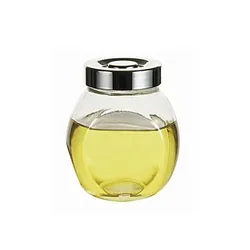
Coriander Oil(CAS#8008-52-4)
| Hazard Symbols | Xi - Irritant |
| Risk Codes | R36/37/38 - Irritating to eyes, respiratory system and skin. R43 - May cause sensitization by skin contact |
| Safety Description | S02 - Keep out of the reach of children. S26 - In case of contact with eyes, rinse immediately with plenty of water and seek medical advice. S36 - Wear suitable protective clothing. |
| WGK Germany | 2 |
| RTECS | GM3150000 |
| Toxicity | The acute oral LD50 in rats was reported to be 4.13 g/kg (2.48-6.14 g/kg) (Hart, 1971). The acute dermal LD50 in rabbits was reported to be > 5 g/kg (Hart, 1971). |
Introduction
Coriander oil, also known as coriander seed oil, is an essential oil extracted from the seeds of the coriander plant. The following is an introduction to the properties, uses, preparation and safety information of coriander oil:Quality:- Coriander oil has the appearance of a bright yellow transparent liquid.- Its taste is fragrant, with a slight bitterness and pepper.- The main ingredients include chemicals such as saceryol, citral, limonone, etc.- Coriander oil will coagulate at room temperature, but will become liquid again when heated.Use:Preparation method:- Coriander oil is usually obtained from coriander seeds by distillation.- The coriander seeds are crushed first, then heated and evaporated by distillation equipment, and the distilled steam is condensed into a liquid, which is coriander oil.Safety Information:- Coriander oil is generally considered safe, but it is still necessary to pay attention to the appropriate amount during use to avoid adverse reactions.- When using coriander oil, avoid contact with eyes and mucous membranes and avoid excessive use.- In case of allergic reactions, skin irritation, or discomfort, stop using coriander oil immediately and consult a doctor.
Application
Coriander oil (CAS 8008-52-4) is a steam-distilled essential oil from the crushed seeds of Coriandrum sativum L. It appears as a colorless to pale yellow liquid with a characteristic sweet, warm, woody, spicy, and slightly floral aroma, primarily due to high levels of linalool (60-70%). In the flavor industry, it is widely used as a natural flavoring agent (FEMA 2334) to impart fresh, citrus-like, and herbal notes to curry blends, pickles, sauces, meat products, baked goods, confectionery, and alcoholic beverages such as gin and vermouth. As a fragrance ingredient, coriander oil provides a refreshing, spicy-herbal top note in perfumes, colognes, soaps, lotions, and household cleaners, blending harmoniously with citrus, lavender, and woody accords. The oil also exhibits antioxidant, antimicrobial, and digestive-stimulating properties, making it valuable in nutraceuticals, aromatherapy for stress relief, and topical formulations for its soothing effect. Additionally, it serves as a natural preservative and as a source of linalool for the synthesis of other aroma chemicals such as linalyl acetate and vitamin E. Xinchem offers custom synthesis, custom chemical synthesis, and contract manufacturing of high-purity coriander oil with flexible scaling from R&D to commercial tons. Contact us today for a competitive quote and reliable global supply.