
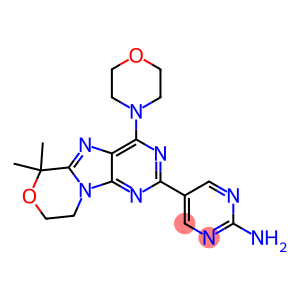
GDC-0084(CAS#1382979-44-3)
GDC-0084(CAS#1382979-44-3)
Mechanism of action: It is a small molecule inhibitor of the PI3K, AKT, and mTOR pathways, thereby inhibiting tumor proliferation by targeting key growth signaling pathways in cancer cells.
Clinical use: Mainly used in patients with glioblastoma with newly diagnosed, non-methylated MGMT who have completed initial radiation therapy with temozolomide. In August 2020, the U.S. Food and Drug Administration (FDA) granted fast-track designation to paxalisib for the treatment of these patients. Based on the results of the Phase 2 study, paxalisib has positive results in terms of safety and efficacy as a first-line treatment for patients with newly diagnosed glioblastoma. In the intention-to-treat population, patients treated with paxalisib had better median overall survival and median progression-free survival than those treated with temozolomide (historical data).
Adverse reactions: including hyperglycemia, oral mucositis and rash.
GDC-0084 has shown some potential in the treatment of glioblastoma, but more clinical trials are still needed to further validate its efficacy and safety.
Application
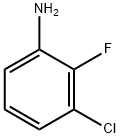
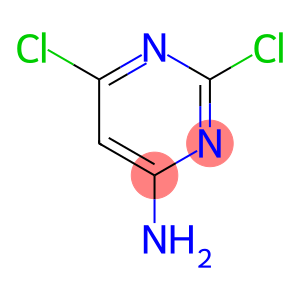
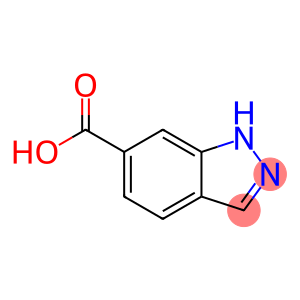
GDC-0084 (Paxalisib), a brain-penetrant dual PI3K/mTOR inhibitor with Ki values of 2 nM for PI3Kα, 46 nM for PI3Kβ, 3 nM for PI3Kδ, 10 nM for PI3Kγ, and 70 nM for mTOR, is a promising clinical‑stage candidate for CNS malignancies. It demonstrated a clinically meaningful 3.8‑month improvement in overall survival vs. standard‑of‑care in glioblastoma with unmethylated MGMT promoter, and holds orphan drug and fast track designations from the FDA for treating this aggressive brain cancer. As a key pharmaceutical intermediate, GDC‑0084 is widely used in oncology research programs for glioblastoma, diffuse midline glioma, and recurrent primary CNS lymphoma (PCNSL), with phase II trials ongoing. Its efficient, low‑metal multikilogram synthesis is enabled by a palladium‑catalyzed Suzuki‑Miyaura cross‑coupling. Xinchem offers reliable custom synthesis, custom chemical synthesis, and contract manufacturing of high‑purity GDC‑0084, scaled flexibly from R&D to commercial volumes. Contact us for a competitive quote today.