
Oils, Cyperus Scariosus(CAS#68916-60-9)
Introduction
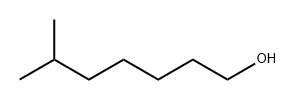
Methyl cinnamyl alcohol is an organic compound. The following is an introduction to the properties, uses, preparation methods and safety information of methyl methyl cinnarel:Quality:- Appearance: Methyl laurel alcohol is a colorless or yellowish liquid.- Smell: Has an aromatic aroma.- Soluble: soluble in alcohols and ether organic solvents, slightly soluble in water.Use:- Chemical Synthesis: Methyl methylcinol can also be used as an intermediate in organic synthesis reactions to make other compounds.Preparation method:Methyl methylcinnamol can be synthesized by a variety of methods, one of which is to use cinnamaldehyde as raw material to prepare methyl methyl cinnamyl alcohol through condensation reaction with methanol.Safety Information:The following safety information should be paid attention to during the use of methyl-methylcinnaurol:- Methyl laurel alcohol is an organic compound with a certain volatility, so direct contact with eyes or skin should be avoided and gas inhalation should be avoided.- Pay attention to protective measures during operation, such as wearing gloves, safety glasses, and protective clothing.- Exposure to high concentrations of methyllaurel alcohol may cause irritating effects on the respiratory system and skin, so ensure that use in a well-ventilated environment and follow proper operating procedures.- During storage, methyl methylcinol should be kept in a cool, dry, well-ventilated place away from fire sources and flammable substances.
Application
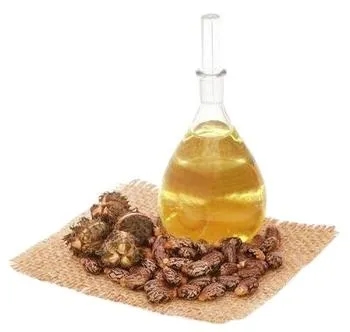
Cypriol oil (Cyperus scariosus root oil, CAS 68916-60-9) is a high-purity natural essential oil steam-distilled from the roots of the Indian nutgrass plant. It possesses a warm, complex, and persistent woody–earthy–spicy–smoky aroma reminiscent of vetiver, patchouli and amber with subtle animalic–leathery undertones, often described as a natural oud-like profile. In the flavor and fragrance industry, cypriol oil is widely used as a substantive base note and fixative in fine perfumery, colognes, aftershaves, soaps, shampoos, laundry detergents, and luxury candles. It provides exceptional olfactory longevity and enriches woody, chypre, oriental, amber, fern, hyacinth, and masculine patchouli accords. As a fixative, it slows evaporation of volatile notes and enhances scent tenacity. In cosmetics and personal care, cypriol oil is incorporated into skin creams, lotions, cleansers, hair oils, and scalp treatments for its balancing effect on oily and acne-prone skin and its soothing anti-inflammatory and antimicrobial properties. The oil also serves as a natural insect repellent and is used in incense sticks, room sprays, and aromatherapy diffusers for its calming and grounding effects. Additionally, cypriol oil is historically used in traditional medicine for digestive support, as an anti-inflammatory and hypotensive agent, and in certain pharmaceutical formulations. Food-grade cypriol oil is recognized by GB 2760-96 as an approved edible flavoring ingredient. The key bioactive components include cyperene, cyperol, α‑copaene, β‑selinene, patchoulenone, rotundone, isocyperol and valencene. Xinchem offers custom synthesis, custom chemical synthesis, and contract manufacturing of high-purity cypriol oil (cyperus scariosus oil) with flexible scaling from R&D to commercial tons. Contact us today for a competitive quote and reliable global supply.