
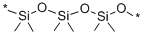
Polydimethylsiloxane Silicone Defoamer(CAS#63148-62-9)–Multipurpose Antifoam Agent
1. Properties:
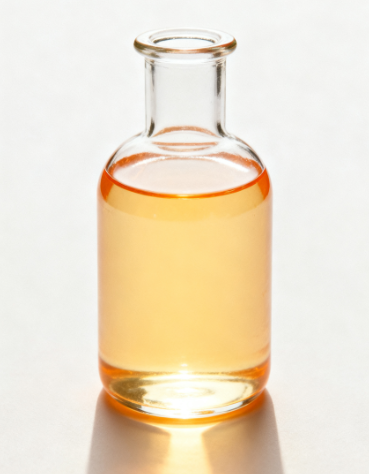
- Appearance and Physical Form: Polydimethylsiloxane (PDMS) silicone defoamer is a colorless, transparent, clear liquid (oil) with a linear polymer chain structure. It is available as a 100% active compound for high‑concentration defoaming in both aqueous and non‑aqueous systems. The product is also formulated as a white, water‑dilutable silicone emulsion for convenience of addition to aqueous industrial processes. The viscosity ranges from 5 cSt (low viscosity, highly mobile liquid) up to 2,000,000 cSt (thick semi‑solid), depending on the degree of polymerisation. Polydimethylsiloxane is the most widely used silicon‑based organic polymer, particularly known for its unusual rheological (or flow) properties.
- Solubility: The pure silicone oil is immiscible with water and ethanol but miscible with carbon tetrachloride, benzene, chloroform, diethyl ether, toluene and other organic solvents. The product is infinitely water‑dilutable when formulated as a silicone emulsion, making it exceptionally easy to incorporate into water‑based systems.
- Chemical Properties: PDMS is an inert, non‑toxic, non‑flammable, thermally stable, high molecular weight silicone polymer. The unique physical and chemical properties arise from the alternating silicon‑oxygen (Si–O) chain backbone, which imparts exceptionally low surface tension, high flexibility, and outstanding thermal stability. Defoaming mechanism: The defoamer spreads rapidly across the foam lamellae, reducing the surface tension of the liquid film until the film ruptures and the foam bubble collapses. Due to the extremely low surface tension of PDMS (~20 mN/m, which is significantly lower than water at ~72 mN/m), a small amount (as low as 1–10 ppm) is sufficient to cause a rapid and persistent foam‑knockdown effect. The product is chemically inert and non‑corrosive, compatible with most base fluids, and exhibits excellent chemical stability across a wide pH range. It is effective in both aqueous and non‑aqueous systems. The product is not classified as hazardous under CLP Regulation (EC) No. 1272/2008 for most grades, with no labelling applicable.
2. Applications:
Oil & Gas Industry (Primary Defoaming):
- Drilling Fluids (Mud): PDMS silicone defoamer rapidly eliminates harmful foam generated during oil and gas well drilling operations. Foam in drilling mud reduces pump efficiency, decreases rate of penetration, and may cause loss of drilling fluid circulation. The defoamer is added in small amounts to water‑based drilling fluids, salt‑resistant drilling muds, and high‑pressure, high‑temperature (HPHT) systems to instantly knock down foam and maintain optimal rheological properties.
- Cementing Cement: Used to eliminate foam during oil well cementing operations; foam‑free cement ensures proper mixing, pumpability, and accurate density control for reliable zonal isolation.
- Oil Refining: Applied in crude oil desalting, atmospheric and vacuum distillation, and downstream refining processes where entrained gases cause foam, equipment flooding and processing inefficiency.
Water & Wastewater Treatment:
- Cooling Towers: PDMS antifoam emulsion is recommended for controlling foam in cooling tower water systems, where air entrainment leads to foam build‑up, reducing heat transfer efficiency and increasing blowdown loss.
- Industrial Wastewater / Effluent Treatment: The silicone defoamer knocks down persistent foam in aeration tanks, clarifiers, sludge holding tanks, and final effluent channels, preventing overflow and accelerating solids settling. It is also widely used in effluent treatment across the chemical processing industry.
- Fermentation: PDMS emulsion is added to fermentation broths for the production of antibiotics, enzymes, citric acid, alcohol and other bioproducts to control foam without inhibiting microbial growth.
Agriculture & Crop Protection:
- Pesticides and Crop Protection: Silicone defoamer is used as an additive in insecticide, fungicide, herbicide and other crop protection product formulations to eliminate foam during tank mixing and spray application; foam‑free spray ensures uniform coverage and maximises contact with the plant surface.
- Agrochemical Spray Adjuvants: Reduces foam formation in large‑volume spray tanks to prevent pump cavitation, ensure accurate dosing, and improve field application efficiency.
Paper & Pulp Industry:
- Pulp Washing & Paper Machine Systems: PDMS defoamer eliminates foam in pulp washing, screening, stock preparation, white water loops, and paper machine wet end; foam control prevents sheet defects, improves drainage, and increases machine speed and productivity.
- Paper Coating: Used as a defoamer in paper coating formulations to eliminate entrapped air bubbles and produce a smooth, defect‑free coated surface.
Textile Industry:
- Textile Printing and Dyeing: Silicone antifoam is effective in eliminating foam in textile printing pastes and dye baths; foam‑free printing ensures sharp pattern edges, uniform colour transfer, and reduced fabric reject rates.
- Sizing and Finishing: Added to sizing and finishing baths to prevent foam interference and ensure uniform application of chemical auxiliaries.
Paints, Coatings & Inks:
- Latex Paints & Industrial Coatings: PDMS defoamer is added during paint manufacture and at the point of application to prevent foam defects such as cratering, pinholes and surface roughness.
- Printing Inks: Eliminates air entrapment during ink mixing and printing, ensuring consistent print quality.
Detergents & Cleaning Formulations:
- Household & Industrial Detergents: Silicone antifoam emulsion is used in liquid laundry detergents, automatic dishwashing rinse aids, and industrial cleaners to control excessive suds, improve rinsing efficiency, and reduce water consumption.
- Bottle Washing and CIP Cleaning: Added to caustic bottle wash and Clean‑In‑Place (CIP) systems to prevent foam carryover.
Metalworking & Machining:
- Metalworking Fluids (MWF): PDMS defoamer is incorporated into soluble oils, semi‑synthetic and synthetic metalworking fluids to prevent foam build‑up that would otherwise reduce cooling, lubrication and chip settling efficiency.
- Hydraulic Fluids and Industrial Lubricants: Used as a foam suppressant in petroleum lubricating oils and hydraulic fluids to prevent pump cavitation and component wear.
Food & Beverage Processing:
- Food Grade Antifoam: High‑purity PDMS food grade emulsions (e.g., AFE‑1510) are approved for use as antifoaming agents in food, beverage and food processing equipment, including edible oil refining, fruit juice concentration, potato processing, and fermentation processes.
- Poultry and Meat Processing: Used in poultry scalding tanks and meat processing wash water to control foam and improve hygiene.
Industrial Process Foam Control:
- Chemical Manufacturing: PDMS emulsion is added to polymerisation reactors, solvent recovery columns, distillation units and other process vessels to control foam that otherwise reduces throughput, carries over product, and causes process instability.
- Plastic and Rubber Processing: Functions as a mold release agent and process defoamer in the production of molded plastics, rubber, elastomers and composites.
3. Preparation Method:
- Laboratory Method: Polydimethylsiloxane is synthesised by ring‑opening polymerisation of cyclic siloxanes (e.g., hexamethyldisiloxane, octamethylcyclotetrasiloxane – D₄, or decamethylcyclopentasiloxane – D₅) using an acid or base catalyst (e.g., sulfonic acid or potassium hydroxide). The reaction proceeds under controlled temperature (80–150°C) for several hours, producing a linear PDMS polymer. The molecular weight and viscosity are controlled by the ratio of monomer to chain‑terminating agent (e.g., hexamethyldisiloxane). The crude polymer is neutralised, stripped of unreacted monomers under vacuum, and filtered to yield the final silicone fluid.
- Industrial Process: Industrial production of PDMS silicone defoamer is a large‑scale continuous process: (1) Polymerisation: Cyclic siloxanes (mainly octamethylcyclotetrasiloxane, D₄) and a chain terminator are reacted in the presence of an acid or base catalyst in a stirred reactor at 100–160°C to produce a low‑viscosity PDMS polymer. (2) Emulsification (for emulsion grades): The pure silicone oil is emulsified using non‑ionic or anionic surfactants under high‑shear mixing to produce a stable, white, aqueous emulsion with typical active contents of 10%, 14%, 30%, 50% or 60%. (3) Formulation (for compound grades): High‑viscosity PDMS may be compounded with hydrophobic silica particles (e.g., treated fumed silica) to enhance defoaming performance in aggressive foaming systems. (4) Quality Control: Key specifications analysed include active content (by loss on drying), viscosity (by rotational viscometer), pH, emulsion stability (by centrifuge test), particle size distribution (by laser diffraction), flash point, density and residual monomer content. (5) Packaging: The final product is packaged in 200 kg drums, 1000 kg IBC totes, or bulk tank trucks for shipment.
4. Safety Information:
- Hazard Classification: PDMS silicone defoamer is generally classified as non‑hazardous or of very low hazard under GHS/CLP Regulation (EC) No 1272/2008. For the majority of commercial grades, no hazard labelling is applicable, and the product is not classified as dangerous for transport (UN number not assigned). However, the substance is classified as WGK 1 (slightly hazardous to water) in some jurisdictions, reflecting a low level of aquatic toxicity.
- Health Hazards:
- Inhalation: May cause mild respiratory irritation, coughing, or throat discomfort if mists or vapours are inhaled in poorly ventilated areas.
- Skin Contact: Generally non‑irritating to intact skin; prolonged or repeated contact may cause mild mechanical irritation or slight dermatitis in sensitive individuals.
- Eye Contact: May cause mild transient mechanical irritation. Direct contact should be rinsed thoroughly.
- Ingestion: Low acute oral toxicity (LD₅₀ > 5,000 mg/kg). Ingestion of large amounts may cause mild gastrointestinal discomfort (diarrhoea, bloating). PDMS is not absorbed systemically from the gastrointestinal tract.
- First Aid Measures:
- Eye Contact: Rinse cautiously with plenty of water for several minutes. Remove contact lenses if present and easy to do. Seek medical attention if eye irritation persists.
- Skin Contact: Wash skin with plenty of soap and water. Remove contaminated clothing. Seek medical advice if irritation develops.
- Inhalation: Move person to fresh air. Keep at rest in a position comfortable for breathing. If symptoms (coughing, throat irritation) persist, seek medical advice.
- Ingestion: Rinse mouth immediately. Do NOT induce vomiting. Drink water to dilute if conscious. Seek immediate medical attention if large amount is ingested or if symptoms develop.
- Fire & Explosion Hazards: PDMS silicone defoamer is not classified as combustible, but it will burn if involved in a fire, releasing irritating and toxic fumes including carbon monoxide (CO), carbon dioxide (CO₂), and silicon oxides (SiOₓ). Under normal conditions, the product is not flammable, not explosive, and hazardous reactions will not occur. In case of fire, use water spray, foam, dry powder, or CO₂ as extinguishing media appropriate for the surrounding fire.
- Personal Protective Equipment (PPE):
- Respiratory protection: Not normally required under good ventilation. In poorly ventilated areas, use a dust/mist respirator (N95 or P2).
- Eye protection: Safety glasses or chemical splash goggles (recommended).
- Skin protection: Protective gloves (nitrile, neoprene) to minimise skin contact.
- General hygiene: Wash hands thoroughly after handling. Do not eat, drink, or smoke in work areas.
- Environmental Precautions: PDMS is a silicone polymer that is not readily biodegradable but does not bioaccumulate. The product is classified as WGK 1 (slightly hazardous to water). Avoid large‑scale release into natural water bodies, drains, or soil. Comply with local environmental regulations for disposal.
- Storage & Stability: Store in tightly closed, moisture‑proof containers in a cool, dry, well‑ventilated area away from direct sunlight, heat sources, and strong oxidising agents. Under recommended storage conditions (room temperature, low humidity), the product has a shelf life of 12 to 36 months (grade dependent; silicone oils typically 36 months) from the date of manufacture in sealed original containers. Protect emulsion grades from freezing; if frozen, warm to 20–30°C and stir gently to restore emulsion homogeneity. Avoid storage above 50°C to prevent viscosity changes or emulsion breakdown.
- Regulatory Compliance: Polydimethylsiloxane (CAS#63148-62-9, EC#225‑208‑0) is listed on EINECS, TSCA, DSL, AICS, NZIoC, ENCS, KECI, PICCS, and other regional chemical inventories. Food‑grade silicone antifoam emulsions must comply with relevant food additive regulations depending on the jurisdiction (e.g., FDA 21 CFR 173.340 in the United States, EU Regulation (EC) No 1333/2008). The product is approved for use in potable water treatment (NSF/ANSI 60 certification may be required). Always consult the Safety Data Sheet (SDS) and local regulations for complete safety, environmental, and regulatory information specific to each product grade and application jurisdiction.
Write your message here and send it to us