
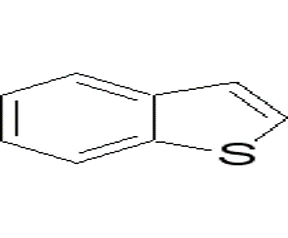
Thianaphthene CAS 95-15-8
Introduction
Toxin peptides are a class of toxic peptide molecules, usually produced by bacteria, plants, or animals. The properties of toxin peptides depend on their structure and source, and some are neurotoxic, cytotoxic, or otherwise biological. CALCISEPTINE IS A TOXIN PEPTIDE WITH CAS NUMBER 178805-91-9, AND ITS SPECIFIC PROPERTIES REQUIRE FURTHER INVESTIGATION.
The preparation of toxin peptides usually needs to be extracted from living organisms or obtained by synthetic methods, and the preparation process can be complex and requires professional technical support.
Toxin peptides are potentially toxic, and the dosage and concentration need to be strictly controlled when used to avoid harm to the human body or the environment. When operating in the laboratory, you need to wear personal protective equipment and follow the relevant safety operating procedures. For the research and application of toxin peptides, relevant regulations and safety standards should be followed to ensure the safety of people and the environment.
Application
Thianaphthene (Benzothiophene, CAS 95-15-8) is a heterocyclic compound with a fused benzene-thiophene ring, serving as a vital organic synthesis building block and pharmaceutical intermediate. In drug discovery, it acts as a key precursor for active pharmaceutical ingredients (APIs) including the breast cancer drug raloxifene, anti-inflammatory agents, and antipsychotics. Its unique sulfur-containing scaffold allows the synthesis of heterocyclic sulfonamides, prostaglandin analogs, and anti-tumor candidates. In agrochemical R&D, Thianaphthene derivatives are used to prepare herbicides, fungicides, and insecticides with improved biological activity. In materials science, this heteroaromatic compound serves as a monomer for organic semiconductors in flexible electronics such as OLEDs, organic solar cells, and conductive polymers for sensors and batteries. It also acts as a precursor for sulfur-containing specialty chemicals and dyes (thioindigo). Available with high-purity specifications and full quality documentation, Xinchem provides Thianaphthene as a versatile chemical intermediate for pharmaceutical, agrochemical, and organic electronics applications, with reliable global supply supported by flexible contract manufacturing and R&D-scale custom synthesis. Contact us for a competitive quote and tailor-made chemical solutions.
![4-Chloropyrrolo[2,3-d]pyrimidine(CAS#3680-69-1)](https://www.xinchem.com/uploads/4-Chloropyrrolo23-dpyrimidine.png)