
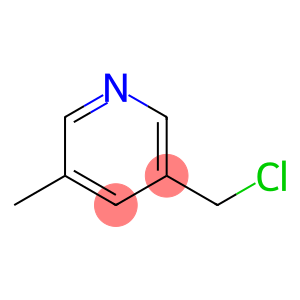
3-(Chloromethyl)-5-methylpyridine hydrochloride(CAS#1007089-84-0)
| Hazard Symbols | Xi - Irritant |
Introduction
3-Methyl-5-chloromethylpyridine hydrochloride is an organic compound with the chemical formula C8H10ClN · HCl, commonly used as a chemical reagent.
The compound is a colorless to pale yellow solid with a benzene ring and a pyridine ring. It has good solubility, can be dissolved in water, can also be dissolved in organic solvents such as ethanol and acetone.
3-methyl-5-chloromethylpyridine hydrochloride is mainly used as a catalyst in organic synthesis reactions, for example, as a reducing agent for aldehyde compounds. It can also be used in the preparation of other organic compounds, such as pharmaceuticals and dyes.
The method for preparing 3-methyl-5-chloromethylpyridine hydrochloride is usually obtained by reacting 3-methylpyridine with methyl chloride, and then reacting with hydrochloric acid to form the hydrochloride.
It is necessary to pay attention to safety when using 3-methyl-5-chloromethylpyridine hydrochloride. It is an organic compound with certain toxicity, and direct contact with skin and eyes should be avoided. Appropriate protective gloves and glasses should be worn during operation to ensure a well-ventilated laboratory environment. Follow proper operating procedures and safety measures to ensure personal safety.
Application
3-(Chloromethyl)-5-methylpyridine hydrochloride is a high-purity functionalized pyridine building block featuring a reactive chloromethyl group. As a versatile alkylating agent, it enables nucleophilic substitution with amines, thiols, and alcohols, allowing rapid introduction of the pyridinylmethyl moiety into drug candidates. This scaffold is widely used in medicinal chemistry for the synthesis of kinase inhibitors (e.g., JAK, BTK, CDK inhibitors), antiviral agents, and CNS-active compounds. The methyl group provides steric and electronic modulation, while the hydrochloride salt enhances solubility and handling stability. Its rigid pyridine core improves metabolic stability and target binding affinity. This intermediate also serves in agrochemical research for herbicide and fungicide development, as well as in the preparation of functional materials and ligands. High purity ensures reproducible results in high-throughput screening and scalable GMP synthesis. Xinchem offers custom synthesis, custom chemical synthesis, and contract manufacturing of this key intermediate with flexible scaling from R&D to commercial tons. Contact us today for a competitive quote and reliable global supply.