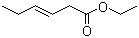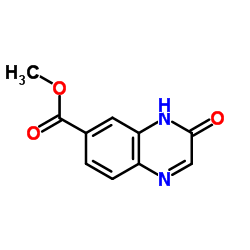


Butanediol divinyl ether(CAS#3891-33-6)
| Hazard Symbols | Xi – Irritant |
| Risk Codes | 36/37/38 – Irritating to eyes, respiratory system and skin. |
| Safety Description | S26 – In case of contact with eyes, rinse immediately with plenty of water and seek medical advice. S36 – Wear suitable protective clothing. |
| WGK Germany | 3 |
Introduction
1,4-Butanediol ethylene ether is an organic compound. Here’s some info about its properties, uses, production, and safety:Properties: 1,4-Butanediol ethylene ether is a colorless liquid with relatively low volatility. It’s not very soluble in water but can mix with many organic solvents. It has good stability and chemical resistance and doesn’t easily break down at room temperature.Uses: It has a wide range of applications. It can be used as a solvent in making coatings, inks, adhesives, and other chemical products. It can also serve as a softener, plasticizer, or solvent intermediate.Production: 1,4-Butanediol ethylene ether can be made by reacting butanediol with ethylene oxide. Specifically, butanediol is reacted with ethylene oxide in the presence of a basic catalyst to produce 1,4-butanediol ethylene ether.Safety: It has relatively low toxicity. Long-term or excessive exposure might cause irritation or harm. When using it, protective measures should be taken to avoid skin contact or inhaling its vapors. Store it in a cool, well-ventilated place, and avoid contact with oxidizers and high-temperature materials.