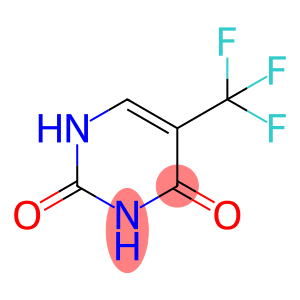

Imidazoline Inhibitor(KU14R)(CAS#189224-48-4)–I3 Receptor Antagonist
1. Properties:
- Appearance and Physical Form: Imidazoline inhibitor (KU14R) is supplied as a white to off-white solid or white crystalline powder with high purity (≥98% – >99%). The compound exhibits excellent thermal stability and appears as a fine, free‑flowing powder suitable for laboratory research applications [13†L5-L6].
- Solubility: KU14R is soluble in DMSO (up to 100 mg/mL), methanol, and acetonitrile, but exhibits poor solubility in water and is only slightly soluble in ethanol [10†L18][13†L6][8†L11-L12]. For in vitro studies, DMSO is the preferred solvent for preparing stock solutions; typical dilutions include 1 mM (4.6672 mL), 5 mM (0.9334 mL), and 10 mM (0.4667 mL) per mg of compound [7†L20-L24].
- Chemical Properties: As a selective antagonist of the atypical imidazoline I(3) receptor (I3-R) and the imidazoline binding site in pancreatic β-cells, KU14R acts primarily by blocking the ATP‑sensitive potassium (KATP) channel with an IC₅₀ value of 31.9 µmol/L (Hill slope −1.5) [7†L17][14†L23-L24]. The compound disrupts the signal transduction pathway for insulin secretion, impairing the normal stimulus‑secretion coupling in pancreatic islets. Unlike other imidazoline ligands, KU14R does not act as an antagonist of efaroxan or S22068 at imidazoline sites in vivo [9†L7-L8][8†L34-L35]. The compound demonstrates relative stability under normal handling conditions but may react with strong bases and strong oxidizing agents. Its acidic pKa is approximately 2.3 at 20°C, with a logP of 2.65 and a logD value of 2.19 [1†L26].
2. Applications:
Biomedical Research (Primary):
- Diabetes and Insulin Secretion Research: KU14R is extensively used as a pharmacological tool to investigate insulin secretion mechanisms in pancreatic β-cells. By selectively blocking the insulin secretory response to imidazolines, it helps researchers understand the role of imidazoline I₃ receptors (I3-R) in glucose homeostasis and the pathophysiology of type 2 diabetes. The compound has been shown to block the effects of the atypical I₃ agonist efaroxan at the level of the KATP channel in isolated pancreatic islet β-cells [9†L4-L7][10†L10-L12].
- Imidazoline Receptor Pharmacology: As a specific antagonist of the pancreatic β‑cell atypical imidazoline binding site (putative I₃ receptor), KU14R serves as an essential research tool for mapping the distribution, function, and signaling pathways of imidazoline receptors. It partially attenuates responses to imidazole‑4‑acetic acid‑ribotide (IAA‑RP), enabling detailed studies of imidazoline‑mediated signal transduction mechanisms [7†L9-L10][11†L7-L8].
- Ion Channel Modulation Studies: KU14R′s ability to block KATP channels (IC₅₀ 31.9 μmol/L) without affecting the insulinotropic effect of other imidazoline ligands makes it invaluable for studying ion channel physiology and membrane potential regulation in pancreatic β-cells, neuronal tissues, and cardiac myocytes [7†L17][14†L23-L24].
- Stimulus‑Secretion Coupling Research: By comparing the effects of KU14R on stimulus‑secretion coupling in normal mouse islets and β‑cells through measurements of KATP channel activity, plasma membrane potential, cytosolic calcium concentration ([Ca²⁺]), and dynamic insulin secretion, researchers can delineate the mechanisms linking extracellular stimuli to intracellular secretory responses [7†L12-L14][11†L9-L11].
- Drug Discovery and Development: KU14R serves as a lead compound in imidazoline‑based drug discovery programs targeting metabolic disorders, including type 2 diabetes, obesity, and related conditions. Imidazoline derivatives are considered an investigational class of antidiabetic drugs, and KU14R provides a valuable scaffold for structure‑activity relationship (SAR) studies [9†L8-L9].
Biochemical and Cellular Assays:
- High‑Throughput Screening (HTS): KU14R is utilized as a control inhibitor and tool compound in high‑throughput screening campaigns for novel insulin secretagogues and KATP channel modulators.
- Receptor Binding Studies: The compound is employed in radioligand binding assays to characterize imidazoline receptor subtypes and evaluate the selectivity profiles of novel imidazoline derivatives.
- In Vivo Metabolic Research: KU14R has been studied in vivo to investigate its effects on blood glucose homeostasis in mouse models. Although it does not act as an antagonist of efaroxan or S22068 at imidazoline sites in vivo, it provides insights into the systemic effects of imidazoline receptor modulation [8†L25-L35][12†L16-L18].
Emerging and Exploratory Applications:
- Anticancer Research: KU14R is being investigated for potential applications as an anticancer agent, leveraging its ability to modulate cellular signaling pathways implicated in cancer cell proliferation and survival [13†L9].
- Polymer Synthesis and Modification: Due to its favorable solubility and chemical stability, KU14R has been explored for use in polymer synthesis and polymer modification, potentially serving as a functional monomer or additive in specialty polymer formulations [13†L9].
- Sensor and Semiconductor Materials: KU14R has demonstrated application potential in sensor and semiconductor material development, where its unique electronic properties may be harnessed for advanced material technologies [13†L9-L10].
3. Preparation Method:
- Laboratory Synthesis: KU14R can be synthesized through a multi‑step process using 4‑bromobenzoic acid and p‑anisidine as starting materials. Under alkaline conditions, a coupling reaction is performed to generate the target intermediate, followed by a cyclization reaction to yield the final product. Triethylamine serves as the catalyst, achieving yields of 75–80% with good selectivity [13†L7-L9].
- Industrial Process: Industrial‑scale production of high‑purity KU14R follows a similar synthetic route with optimization for yield, purity, and cost‑effectiveness. Key process parameters include reaction temperature control, catalyst selection, purification steps (recrystallization from suitable organic solvents, column chromatography), and quality control measures (HPLC, NMR, MS analysis). After synthesis, the product is dried under reduced pressure and characterized for purity (≥98–99%), identity (NMR, MS), and residual solvent content. The final product is packaged under inert atmosphere in amber glass vials to prevent photodegradation and moisture absorption. Key quality parameters controlled include purity (≥98.0%), heavy metals (≤20 ppm), residual solvents (according to ICH guidelines), and microbial limits (for cell culture applications).
4. Safety Information:
- Hazard Classification: According to GHS/CLP criteria, KU14R is not classified as a hazardous substance or mixture under normal laboratory use conditions. However, during combustion, it may emit irritant fumes, and appropriate laboratory safety practices should always be followed. Always consult the Safety Data Sheet (SDS) for batch‑specific hazard information [16†L10-L12][16†L33-L34].
- Health Precautions: KU14R is for research use only and not intended for human or veterinary diagnostic or therapeutic purposes [12†L5-L6]. Avoid inhalation, contact with eyes, and prolonged skin contact. Use appropriate personal protective equipment (PPE) including nitrile gloves, laboratory coat, and safety goggles. Handle in a well‑ventilated area (fume hood) to minimize exposure to dust and aerosol formation. Do not eat, drink, or smoke when handling the compound [16†L45-L47].
- First Aid Measures:
- Inhalation: Immediately relocate self or casualty to fresh air. If breathing is difficult, administer cardiopulmonary resuscitation (CPR). Avoid mouth‑to‑mouth resuscitation [16†L17-L19].
- Eye Contact: Remove any contact lenses, locate eyewash station, and flush eyes immediately with large amounts of water. Separate eyelids with fingers to ensure adequate flushing. Promptly call a physician [16†L22-L24].
- Skin Contact: Rinse skin thoroughly with large amounts of water. Remove contaminated clothing and shoes and call a physician [16†L20-L21].
- Ingestion: Wash out mouth with water if person is conscious. Never give anything by mouth to an unconscious person. Get medical attention. Do NOT induce vomiting unless directed to do so by medical personnel [16†L24-L27].
- Fire Fighting Measures: In case of fire, use water spray, dry chemical, foam, or carbon dioxide (CO₂) fire extinguisher. During combustion, the product may emit irritating fumes. As with any fire, wear self‑contained breathing apparatus (SCBA) and full protective clothing [16†L31-L35].
- Accidental Release Measures: In case of spillage, use full PPE. Avoid breathing vapors, mist, dust, or gas. Ensure adequate ventilation. Evacuate personnel to safe areas. Keep the product away from drains or water courses. Absorb solutions with finely‑powdered liquid‑binding material (diatomite, universal binders). Decontaminate surfaces and equipment by scrubbing with alcohol. Dispose of contaminated material according to local regulations [16†L36-L44].
- Storage & Stability: Store KU14R as a powder at −20°C for up to 3 years, or at 4°C for up to 2 years. For solutions (e.g., in DMSO), store at −80°C for up to 6 months or at −20°C for up to 1 month. Protect from light, moisture, and repeated freeze‑thaw cycles. Store in tightly sealed, corrosion‑resistant containers (amber glass vials). Keep away from strong bases and strong oxidizing agents, as the compound may react with these substances. Shelf life is ≥360 days if stored properly, or up to 2 years under recommended conditions in tightly closed original containers [7†L4-L5][9†L17-L18][10†L18].
- Regulatory Compliance: KU14R (CAS#189224-48-4, MDL#MFCD01861185) is listed for research use only and is not classified as a hazardous substance under normal conditions. It complies with standard laboratory chemical handling regulations and is available for supply to qualified research institutions, pharmaceutical companies, and biotechnology firms. Always consult the Safety Data Sheet (SDS) for complete safety, environmental, and regulatory information specific to each product grade. All products are for research use only and are not intended for human diagnostic or therapeutic applications, nor for veterinary use.
Write your message here and send it to us