
Alcohols C16-18 Ethoxylated Propoxylated(CAS#68002-96-0)–Nonionic Emulsifier for Oilfield
1. Properties:
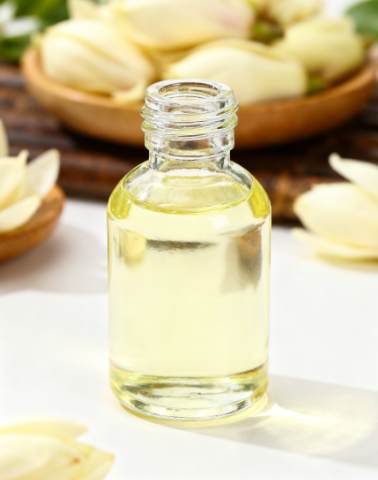
- Appearance and Physical Form: Alcohols C16-18, ethoxylated propoxylated is supplied as a clear to pale yellow viscous liquid, available in various grades with a solids content of 100% active matter. Higher HLB grades may appear as opaque liquids or pastes. The product is APEO-free, exhibits low VOC content (<1%), and contains no 1,4-dioxane or alkylphenol ethoxylates.
- Solubility: The product exhibits variable water solubility depending on the HLB value, which is tunable by controlling the ratio of ethylene oxide (EO) to propylene oxide (PO) units. Higher HLB grades (such as HLB ≈ 14.7) are readily soluble in cold water, while lower HLB grades (e.g., HLB 8.5) function primarily as water-in-oil emulsifiers. The product is also soluble in alcohols, aromatic solvents, and hydrocarbons, and demonstrates excellent compatibility with anionic, cationic, nonionic, and amphoteric surfactants.
- Chemical Properties: As a nonionic surfactant derived from C16-18 natural or synthetic fatty alcohols, this alkoxylated fatty alcohol does not dissociate into charged species in solution, enabling stable performance in hard water, at low temperatures, and across a wide pH range (acidic to alkaline). The addition of propylene oxide units imparts excellent low-foaming characteristics, making it ideal for applications where foam control is critical. The product also offers superior lime soap dispersion and demulsification capabilities. Resistance to acids, alkalis, hard water, and electrolytes is outstanding.
2. Applications:
Oil & Gas Field Chemicals (Primary):
- Acid Emulsifier for Acidizing Treatments: Serves as an acid emulsifier (emulsified acid) in oil and gas stimulation operations. Sasol surfactants, such as TERRAVIS SE 70, are capable of forming highly stable emulsified acid that outperforms industry standards. The emulsified acid penetrates deep into the formation, creating single dominant wormholes that enable easier access to hydrocarbons, while reducing overall treatment fluid volume requirements for improved cost efficiency.
- Fracturing Fluid Additive: Functions as a low-foaming emulsifier, wetting agent, and viscoelastic surfactant (VES) in hydraulic fracturing formulations. Enhances proppant suspension, reduces fluid loss, and improves clean-up after treatment.
- Self-Diverting Acid Systems: Used as a key component in self-diverting acid systems for carbonate acidification, where it helps maintain acid reactivity profiles and ensures uniform treatment across heterogeneous formations.
- Corrosion Inhibition and Demulsification: Exhibits excellent anti-rust and demulsification properties, making it suitable for corrosion inhibitor packages and emulsion-breaking applications in produced water treatment.
Metalworking & Metal Treatment:
- Metalworking Fluids: Widely used as a nonionic emulsifier in water-soluble metalworking fluids (semi-synthetic and synthetic formulations), including cutting fluids, grinding fluids, and drawing compounds. Provides excellent emulsion stability, lubricity enhancement, and foam control. Compatible with mineral oils, paraffinic oils, and naphthenic oils.
- Industrial Degreasing and Metal Cleaning: Used as a low-foaming wetting agent and degreaser in spray metal cleaning, dip-tank cleaning, and bottle wash applications. The product exhibits excellent wetting properties and lime soap dispersion capabilities.
Industrial & Institutional Cleaning:
- Rinse Aids & Mechanical Dishwashing: Functions as a low-foaming surfactant in rinse aid formulations and mechanical dishwash detergents. Provides effective wetting and sheeting action for spot-free drying.
- Industrial Cleaners: Used in heavy-duty industrial cleaners, alkaline cleaners, and acidic formulations. Resistant to electrolytes and stable over a wide pH range.
- Household Detergents: Suitable for household washing and personal care formulations requiring low-foaming properties.
Textile Processing:
- Fiber Processing: Serves as a wetting agent, dispersant, leveling agent, and antistatic agent in textile dyeing and finishing operations. Improves fiber lubricity and process efficiency.
Other Industries:
- Papermaking: Used as a defoamer and dispersant in pulp and paper processing.
- Agrochemicals: Functions as an emulsifier and wetting agent in pesticide formulations, herbicide adjuvants, and crop protection products.
- Polyurethane & Personal Care: Applied in polyurethane foam production and personal care formulations as a mild conditioning agent.
- Leather Processing: Used as a softener and emulsifier in leather tanning and finishing operations.
3. Preparation Method:
- Laboratory Method: C16-18 fatty alcohol ethoxylate propoxylate is synthesized by sequential addition of ethylene oxide (EO) and propylene oxide (PO) to a C16-18 fatty alcohol blend (cetyl/stearyl alcohol mixture derived from natural oils such as palm oil or coconut oil) in the presence of an alkaline catalyst (e.g., KOH). The reaction proceeds in a stirred autoclave under controlled temperature (140–180°C) and pressure. The EO/PO ratio and total moles of alkylene oxide added determine the final HLB value and surfactant properties.
- Industrial Process: Industrial production follows a similar two-step alkoxylation process. C16-18 fatty alcohols (cetyl alcohol C16 and stearyl alcohol C18, typically in varying ratios) are first ethoxylated with a predetermined number of EO moles, followed by propoxylation with PO units, or vice versa. Depending on the desired product profile, block or random copolymers can be produced. Key quality parameters controlled include hydroxyl value, acid value, color, moisture content, cloud point, and residual alkylene oxide content. The product is supplied as 100% active matter in various packaging forms including 200 kg drums, IBC containers (1000 kg), and bulk tank trucks.
4. Safety Information:
- Hazard Classification: According to CLP Regulation (EC) No 1272/2008, this substance is classified as Aquatic Chronic 3; H412 (Harmful to aquatic life with long-lasting effects). In some formulations, acute toxicity inhalation (Category 2) may also apply.
- Health Hazards: The concentrated product may cause serious eye irritation. Avoid direct contact with eyes and prolonged skin contact.
- Personal Protection: When handling concentrated solutions, wear appropriate protective equipment including chemical-resistant gloves (nitrile), protective clothing, and safety goggles.
- First Aid Measures:
- Eye Contact: Rinse immediately with plenty of water for at least 15 minutes while keeping eyelids open. Consult an ophthalmologist immediately.
- Skin Contact: Wash immediately with plenty of soap and water. Apply greasy cream as needed.
- Inhalation: Move victim to fresh air, keep them warm and immobile. If symptoms persist, seek medical advice.
- Ingestion: Rinse mouth immediately and drink plenty of water. Seek immediate medical attention. Do NOT induce vomiting unless directed by medical personnel.
- Environmental Precautions: This substance is harmful to aquatic life with long-lasting effects. Avoid direct release into natural water bodies, drains, or the environment. Prevent large spills from entering waterways.
- Extinguishing Media: Suitable extinguishing media include water spray, foam, dry powder, carbon dioxide (CO₂), sand, or nitrogen. The product itself is not combustible; adapt extinguishing measures to the surrounding environment.
- Storage & Stability: Store in sealed containers below 30°C in cool, dry, well-ventilated areas. Protect from direct sunlight, heat sources, strong oxidizing agents, and moisture. Prevent freezing; if the material becomes hazy after cold exposure, gently warm to 30–40°C and mix thoroughly before use. Shelf life is typically 12–24 months in tightly closed original containers.
- Regulatory Compliance: This product is APEO-free, low VOC, and complies with various regulatory standards including EINECS (614-209-5), TSCA, DSL, and other regional chemical inventories depending on the specific grade. Always consult the Safety Data Sheet (SDS) for complete safety and regulatory information specific to each product grade.
Write your message here and send it to us