
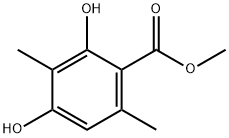
METHYL 2,4-DIHYDROXY-3,6-DIMETHYLBENZOATE(CAS#225-193-0)
| Hazard Symbols | Xi - Irritant |
| Risk Codes | 36/37/38 - Irritating to eyes, respiratory system and skin. |
| Safety Description | S26 - In case of contact with eyes, rinse immediately with plenty of water and seek medical advice. S36 - Wear suitable protective clothing. |
| WGK Germany | 2 |
| TSCA | Yes |
| HS Code | 2918 29 00 |
Introduction
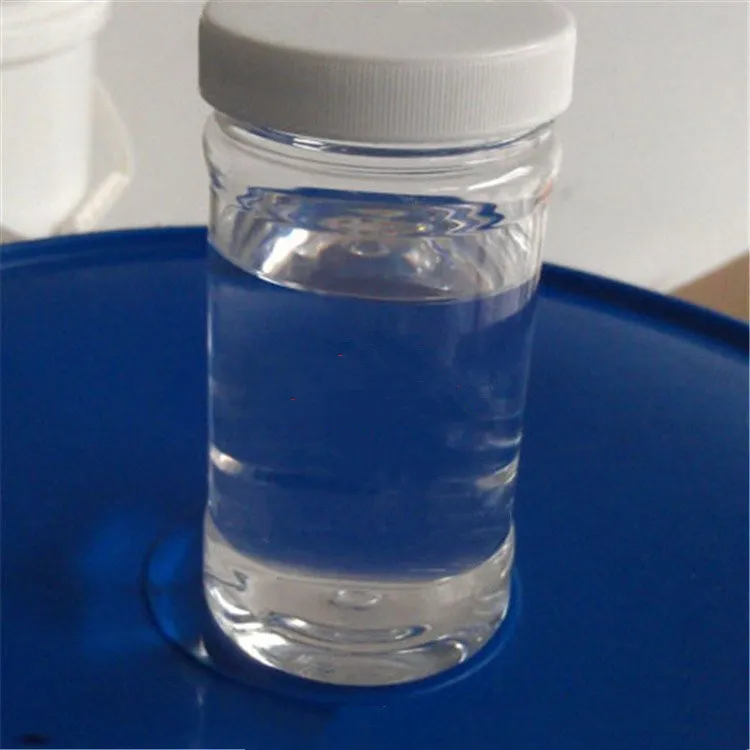
Methyl 2,4-dihydroxy-3,6-dimethylbenzoate, also known as caffeine, is a white crystalline powder. The following is an introduction to its properties, uses, preparation methods and safety information:Quality:Appearance: White crystalline powder.Solubility: Soluble in water, alcohol and chloroform, almost insoluble in ether.pH: Slightly alkaline in water.Use:Stimulant: Caffeine is a central nervous system stimulant that improves alertness and concentration, eliminating feelings of fatigue.Beverages: Caffeine is found in many beverages such as coffee, tea, and certain soft drinks to provide an invigorating effect.Preparation method:The synthesis method of methyl 2,4-dihydroxy-3,6-dimethylbenzoate is as follows:3,6-Dimethylbenzo Alcohol is reacted with chloroformic acid to form 2,4-dihydroxy-3,6-dimethylbenzoic acid under alkaline conditions.2,4-Dihydroxy-3,6-dimethylbenzoic acid is then reacted with formate anhydride to produce methyl 2,4-dihydroxy-3,6-dimethylbenzoate.Safety Information:Caffeine has the effect of stimulating the central nervous system, and excessive intake may cause uncomfortable symptoms such as nervous system irritation, insomnia, palpitations, and agitation.Chronic excessive caffeine consumption can lead to dependence and withdrawal symptoms.Specific groups such as pregnant women, breastfeeding women, heart patients, and children should pay attention to their caffeine intake and avoid excess.It is important to follow proper safe operating procedures when using or handling any chemical substance and consult with a professional for specific situations.
Application
Methyl 2,4-Dihydroxy-3,6-Dimethylbenzoate (Veramoss, Evernyl, CAS 4707-47-5) is a high-purity, synthetic moss aroma ingredient crafted as a safe and stable alternative to natural oakmoss. It delivers a powerful, dry, woody, earthy, and slightly phenolic odor with excellent substantivity and long-lasting fixative properties. This specialty ester is widely used in fine and functional perfumery, contributing to the iconic mossy base of chypre and fougère compositions, and adding depth to woody, floral, and oriental accords. In cosmetics and personal care, it is a preferred fixative in soaps, shampoos, body lotions, and high-end skincare lines, as well as an odor-masking or characterizing agent in antiperspirants and laundry detergents. It is also approved as a flavoring agent for food and beverages, providing warm, herbaceous nuances. At Xinchem, we offer custom synthesis and contract manufacturing for methyl 2,4-dihydroxy-3,6-dimethylbenzoate, ensuring strict quality control. Contact us today for a competitive quote and reliable global supply.