
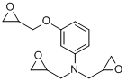
N,N-Diglycidyl-4-glycidyloxyaniline (CAS#71604-74-5)
I. Basic Identification Information
Full Chemical Name: 1,3,5-Tris(2,3-epoxypropyl)-1,3,5-triazine-2,4,6-trione
CAS Number: 71604-74-5
Core Properties: Triglycidyl isocyanurate, white crystalline powder at room temperature, density 1.46 g/cm³, melting point 95-115°C, boiling point 497.4°C, flash point 211.3°C, the mainstream epoxy curing agent specially used for outdoor weather-resistant powder coatings
II. Clarified Safety Operation Requirements
Storage Safety: Seal and store in a cool, dry, ventilated warehouse, control the storage temperature below 30°C, keep away from heat sources and open flames, store separately from strong acids, strong alkalis and strong oxidizing substances, and avoid moisture caking
Operation Protection: Wear dust masks, goggles and chemical-resistant nitrile gloves during operation, work in a fume hood to avoid dust diffusion and inhalation. Thoroughly clean all contacted parts of the body after operation, and do not take contaminated work clothes out of the operation area
III. Confirmed Potential Risk Warnings
Skin Sensitization Risk: It is a clear skin sensitizing substance (H317). Repeated contact can easily induce allergic dermatitis and intractable skin pruritus, and some sensitive people may have allergic reactions after a single contact
Eye Damage Risk: Direct contact of dust with eyes will cause severe irritation. Failure to handle it in time may cause corneal damage and vision loss
Inhalation Irritation Risk: Massive inhalation of dust will irritate the respiratory tract, causing cough and throat discomfort. Long-term unprotected inhalation may cause chronic inflammation of the respiratory tract
High Temperature Decomposition Risk: When heated above the decomposition temperature, it will release toxic fumes containing nitrogen oxides and cyanides, which can cause poisoning after inhalation
IV. Emergency Disposal and Supplementary Note
In case of skin contact, immediately rinse with plenty of clean water and soap water. If dust enters eyes accidentally, rinse with running water for more than 15 minutes and seek medical attention in time; if inhaled accidentally, immediately move to fresh air, and seek medical attention immediately when breathing discomfort occurs
The existing public information does not fully cover the UN dangerous goods number, complete acute toxicity data and other core safety parameters of this chemical. It is recommended to request the complete MSDS safety technical specification for this batch of products from the supplier to obtain compliant full-dimensional safety risk information