
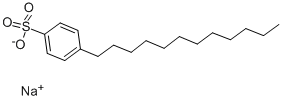
Sodium dodecylbenzenesulphonate (CAS#25155-30-0)
Safety Precautions
Prevention
Wash face, hands and any exposed skin thoroughly after handling. Do not eat, drink or smoke when using this product. Wear protective gloves, protective clothing, eye protection and face protection. Avoid breathing dust, fume, gas, mist, vapors or spray. Use only outdoors or in a well-ventilated area.
First Aid Measures
| Exposure Scenario | Response Method |
|---|---|
| Inhalation | IF INHALED: Remove the affected person to fresh air and keep them comfortable for breathing. Call a poison center or doctor if the person feels unwell. |
| Skin Contact | IF ON SKIN: Wash the affected area with plenty of mild soap and water. If skin irritation occurs, get medical advice/attention. Take off contaminated clothing and wash it before reuse. |
| Eye Contact | IF IN EYES: Rinse cautiously with water for several minutes. Remove contact lenses, if present and easy to do. Continue rinsing. Get medical attention immediately. |
| Ingestion | IF SWALLOWED: Call a poison center or doctor immediately if you feel unwell. Rinse mouth. Do not induce vomiting unless instructed by medical personnel. |
Storage
Store the product in a cool, dry and well-ventilated warehouse. Keep the container tightly closed when not in use. Store it separately from oxidizing agents, strong acids and food chemicals, and strictly forbid mixed storage. Keep locked up to prevent access by unauthorized personnel.
Leakage Handling
Isolate the leakage contaminated area and restrict access of irrelevant personnel. Cut off all ignition sources. Emergency response personnel must wear dust-proof full-face respirators and anti-chemical protective clothing. Avoid generating dust when cleaning, collect the leaked material into a sealed waste container for professional disposal. For large-scale leakage, cover the area with plastic cloth or canvas to prevent scattering, and transfer all the waste to a compliant hazardous waste disposal site.
Fire Fighting
This product is combustible. When heated or exposed to open fire, it will burn and decompose to release toxic sulfide fumes. Suitable extinguishing agents: water mist, foam, dry powder, carbon dioxide. Fire fighters must wear full-body gas protective clothing and extinguish fire from the upwind direction.
Environmental Hazard
The primary hazard of this product is the threat to the environment. Immediate steps must be taken to limit its spread to the environment, prevent leakage from entering sewers or water sources, and follow local environmental regulations for waste disposal.