
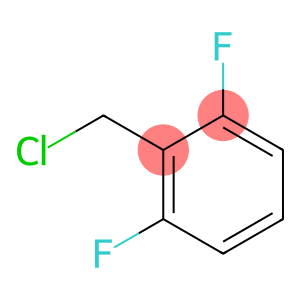
2,6-Difluorobenzyl chloride(CAS#697-73-4)
| Risk Codes | R34 - Causes burns R20/22 - Harmful by inhalation and if swallowed. |
| Safety Description | S26 - In case of contact with eyes, rinse immediately with plenty of water and seek medical advice. S36/37/39 - Wear suitable protective clothing, gloves and eye/face protection. S45 - In case of accident or if you feel unwell, seek medical advice immediately (show the label whenever possible.) S60 - This material and its container must be disposed of as hazardous waste. S20 - When using, do not eat or drink. |
| UN IDs | UN 1759 8/PG 2 |
| WGK Germany | 3 |
| HS Code | 29039990 |
| Hazard Note | Corrosive/Lachrymatory |
| Hazard Class | 8 |
| Packing Group | III |
Introduction
2,6-Difluorochlorobenzyl is an organic compound.Quality:2,6-Difluorobenzyl chloride is a colorless liquid with a peculiar odor. It is almost insoluble in water and has good solubility in organic solvents.Use:2,6-difluorobenzyl chloride is commonly used as a raw material and intermediate in the chemical industry.Method:2,6-difluorobenzyl chloride can be prepared by the reaction of benzyl compounds with fluorine gas and chlorine gas. Specific reaction conditions and procedures will vary depending on the specific experimental conditions.Safety Information:2,6-difluorobenzyl chloride has certain toxicity and may cause harm to human health. Wear appropriate protective gear when using and avoid contact with skin, eyes, and respiratory tract. When storing and handling, it is necessary to follow the safety operation procedures to avoid the accumulation of ignition and static electricity. Must be stored in an airtight container, away from ignition and oxidants.2,6-difluorobenzyl chloride may also cause harm to the environment, it should not be discharged into the natural environment, and should be properly treated and disposed of. Relevant regulations and regulations shall be followed during use and handling.
Application
2,6-Difluorobenzyl chloride is a versatile fluorinated benzyl halide widely used as a key pharmaceutical intermediate in drug discovery and agrochemical synthesis. The reactive chloromethyl group enables efficient nucleophilic substitution with amines, thiols, and alcohols, facilitating the introduction of the 2,6-difluorobenzyl moiety into active pharmaceutical ingredients (APIs). It serves as a critical precursor for the synthesis of antifungal agents (e.g., fluconazole, voriconazole), antiviral drugs, and central nervous system (CNS) therapeutics, where the two fluorine atoms enhance metabolic stability, lipophilicity, and target binding affinity. In crop protection, this building block is utilized to develop selective herbicides, fungicides, and insecticides with improved environmental safety and efficacy. Its high reactivity also supports palladium-catalyzed cross-coupling reactions and the preparation of specialty polymers, liquid crystal materials, and fluorescent probes. High purity ensures reproducible results in structure-activity relationship (SAR) studies, high-throughput screening, and scalable GMP manufacturing. Xinchem offers reliable custom synthesis and contract manufacturing of 2,6-difluorobenzyl chloride with flexible scaling from R&D to commercial tons. Contact us today for a competitive quote and dependable global supply.