
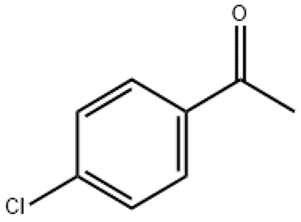
4-Chloroacetophenone CAS 99-91-2
Introduction
Toxin peptides are a class of toxic peptide molecules, usually produced by bacteria, plants, or animals. The properties of toxin peptides depend on their structure and source, and some are neurotoxic, cytotoxic, or otherwise biological. CALCISEPTINE IS A TOXIN PEPTIDE WITH CAS NUMBER 178805-91-9, AND ITS SPECIFIC PROPERTIES REQUIRE FURTHER INVESTIGATION.
The preparation of toxin peptides usually needs to be extracted from living organisms or obtained by synthetic methods, and the preparation process can be complex and requires professional technical support.
Toxin peptides are potentially toxic, and the dosage and concentration need to be strictly controlled when used to avoid harm to the human body or the environment. When operating in the laboratory, you need to wear personal protective equipment and follow the relevant safety operating procedures. For the research and application of toxin peptides, relevant regulations and safety standards should be followed to ensure the safety of people and the environment.
Application
4-Chloroacetophenone (p-chloroacetophenone, CAS 99-91-2) is a versatile aromatic ketone building block widely employed in pharmaceutical, agrochemical, and specialty chemical research. As a key pharmaceutical intermediate, it is utilized in the synthesis of various drug candidates, including CNS and cardiovascular agents (e.g., lofepramine hydrochloride), and serves as a precursor to mandelic acid for urinary antiseptics and dermatological formulations. The para-chloro substitution provides optimal electronic parameters for predictable reactivity in transition-metal-catalyzed cross-couplings (Heck, Suzuki-Miyaura) and Friedel-Crafts acylation reactions, enabling efficient construction of substituted acetophenones, chalcones, and other complex aromatics. It is also used in the preparation of fluorescent brighteners for plastics, paper, and textiles, as well as agrochemical intermediates for fungicides and pest control formulations. Its electrophilic carbonyl carbon undergoes nucleophilic addition, while the chlorine handle enables metal-catalyzed cross-couplings, supporting enantioselective reductions and chiral alcohol synthesis. In analytical chemistry, it serves as a standard for method development, including detection and quantification in various matrices, and as a model substrate in metabolic and enzymatic assays to investigate cytochrome P450 and ketone reductase activity. Xinchem offers reliable custom synthesis and contract manufacturing of high‑purity 4-Chloroacetophenone with flexible scaling from R&D to commercial tons. Contact us for a competitive quote and dependable global supply.