
EO/PO Block Copolymer(CAS#9003-11-6)–Oil Well Cement Defoamer & Low-Foaming Nonionic Surfactant
1. Properties:
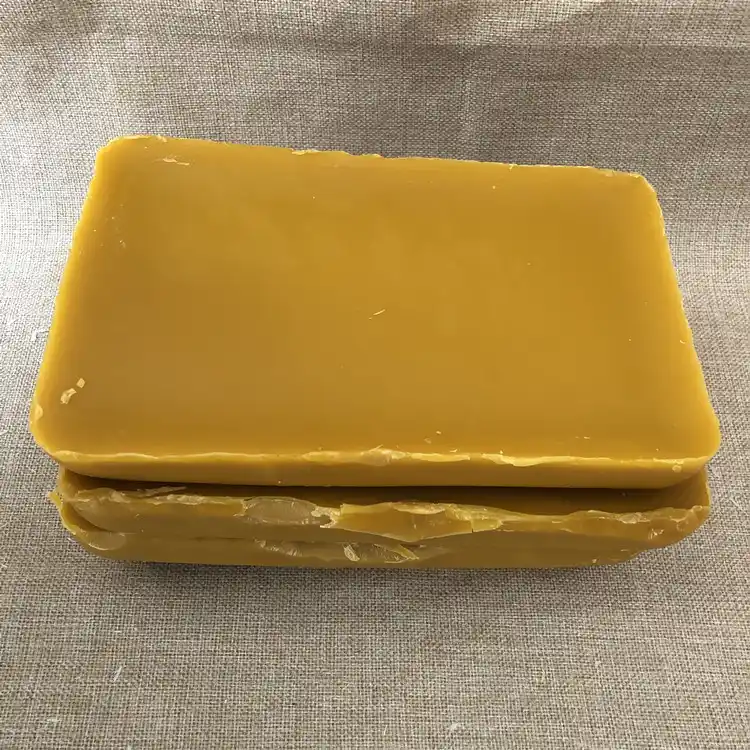
- Appearance and physical form: EO/PO block copolymer is supplied as a clear, light yellow to amber viscous liquid. Commercial grades are available as 100% active neat fluids and as 50% active water‑based emulsions. The product has a mild, low‑volatility odour and remains stable under normal storage conditions.
- Solubility: The product is soluble in cold water and exhibits inverse solubility—more soluble in cold water than in hot water. This unique behaviour enables the defoamer to remain dispersed at lower temperatures but become less soluble and more active at the elevated temperatures where foam formation is most problematic. It is fully miscible with most polar organic solvents and compatible with anionic, non‑ionic and cationic surfactant systems.
- Chemical properties: EO/PO block copolymer is a non‑ionic, water‑soluble synthetic polymer belonging to the polyalkylene glycol (PAG) class. The hydrophilic polyethylene oxide (PEO) blocks and hydrophobic polypropylene oxide (PPO) blocks confer excellent surface activity and foam control. The reverse EO/PO block structure provides low‑foaming, fast‑breaking, and persistent defoaming capabilities. The product is chemically stable over a wide pH range, resistant to hydrolysis and oxidation, and non‑corrosive to metals. It has a high flash point (≥94°C) and good thermal stability, maintaining defoaming performance downhole at 150–180°C and above. The low pour point (–26°C) ensures good fluidity and excellent cold‑weather performance without freezing.
2. Applications:
Oil well cementing (primary defoaming application):
- Foam control in cement slurries: During oil well cementing, multiple additives are incorporated into the cement slurry to modify rheology, fluid loss, density and setting time. The mixing process inevitably entrains air, generating foam that alters slurry density and other critical properties. Uncontrolled foam can lead to gas or water channeling, compromised zonal isolation, and even complete job failure. EO/PO block copolymer defoamer eliminates entrained air bubbles, restores designed density, and prevents gas migration, thereby ensuring a reliable cement sheath and long‑term well integrity.
- Compatibility: The product is compatible with most cement additives, dispersants, fluid loss control agents, retarders and accelerators. It can be mixed simultaneously with other additives or added separately with a little circulation. The defoamer does not interfere with cement hydration or strength development.
- Recommended dosage: 0.05 – 0.2% volume ratio depending on water quality and foaming severity.
- Cold‑weather performance: The product has good fluidity and will not freeze in cold environments, maintaining consistent defoaming performance at low temperatures.
Other industrial applications:
- Asbestos tile and fibre cement production: The product is highly effective in controlling foam during the production of asbestos‑cement tiles, fibre‑cement sheets and other cementitious building materials.
- Paper manufacturing: Serves as a defoamer in pulp and paper processing, including paper machine white water systems, pulp washing and coating formulations.
- Textile industry: Used in textile wet processing, dyeing, sizing, finishing, and printing applications to control foam without interfering with dye uptake or fabric hand.
- Industrial water & wastewater treatment: Controls foam in cooling towers, aeration basins, clarifiers and sludge handling systems where surfactants and organic loading trigger excessive foaming.
- Paints & coatings: Functions as a defoamer and anti‑foaming agent in water‑based paints, latex emulsions, industrial coatings, printing inks, and pigment dispersions to eliminate surface defects and improve finish quality.
- Metalworking fluids (MWF): Added to soluble oils, semi‑synthetic and synthetic metalworking fluids, as well as hydraulic oils, to suppress foam build‑up that would otherwise reduce cooling, lubrication, chip settling and tool life.
- Agrochemical spray adjuvants: Used as a tank‑mix defoamer in herbicide, insecticide and fungicide spray solutions to prevent foam that would otherwise reduce pump efficiency and spray coverage.
- Fermentation & bioprocessing: Controls foam in aerobic and anaerobic fermentation processes for the production of antibiotics, enzymes, organic acids, yeast, biofuels and other bioproducts without inhibiting microbial growth or oxygen transfer.
- Institutional & industrial cleaning: Acts as a defoamer in rinse aids, automatic dishwashing detergents, CIP (clean‑in‑place) formulations and industrial cleaning concentrates.
- Drilling fluids: May also be used in oilfield drilling muds to control foam that would reduce pump efficiency and interfere with solids control equipment.
3. Preparation Method:
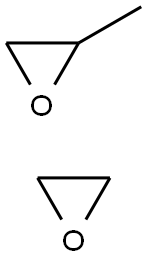
- Laboratory method: EO/PO block copolymers are synthesised by sequential or random anionic ring‑opening polymerisation of ethylene oxide (EO) and propylene oxide (PO) in the presence of a monofunctional initiator (typically butanol). The reaction is carried out in a high‑pressure stirred autoclave at 120–150°C under an inert atmosphere using an alkaline catalyst (e.g., KOH). The EO:PO ratio and the molecular weight determine the hydrophilic‑lipophilic balance (HLB) and the solubility profile of the final copolymer.
- Industrial process:
- Polymerisation: Butanol (initiator) and catalyst are charged into a high‑pressure stirred autoclave. A mixture of EO and PO monomers is metered into the reactor at 120–150°C under controlled pressure, forming the EO/PO block copolymer.
- Neutralisation and purification: The crude product is neutralised with an acid (phosphoric or acetic acid), filtered, and vacuum‑stripped to remove unreacted monomers and low molecular weight byproducts.
- Formulation (optional): For emulsion grades, the neat polyether is blended with water and suitable non‑ionic/anionic emulsifiers under high‑shear mixing to produce a stable, pourable white emulsion at 50% active content.
- Quality control: Key parameters tested include active content (100% or 50%), viscosity (rotational viscometer), moisture (<1.5%), pH (4–8), density (0.85–1.03 g/cm³), colour (APHA), cloud point (24–30°C), surface tension, flash point (≥94°C), pour point (–26°C), residual monomer content, and defoaming efficiency.
- Packaging: The final product is packaged in 25 kg drums, 200 kg drums, 1000 kg IBC totes or bulk road tankers for shipment.
4. Safety Information:
- Hazard classification: EO/PO block copolymer is generally classified as a low‑hazard or non‑hazardous product under GHS/CLP Regulation (EC) No 1272/2008. For most industrial grades, no hazard labelling is required under normal conditions. However, depending on concentration, specific grade and the presence of additives, the following hazard statements may apply: H332 (Harmful if inhaled); H315 (Causes skin irritation); H318 (Causes serious eye damage); H411 (Toxic to aquatic life with long‑lasting effects). Hazard symbol: GHS07 (Irritant) for certain grades. Signal word: Warning (for hazardous grades). UN Number: 3082 (Environmentally hazardous substance, liquid, n.o.s.) – applicable only for certain grades and quantities. Hazard Class: 9 (Miscellaneous dangerous substances and articles).
- Health hazards:
- Inhalation: Inhalation of mists or vapours may cause mild respiratory tract irritation, coughing or throat discomfort in sensitive individuals. Prolonged exposure may cause respiratory discomfort.
- Skin contact: Minimally irritating to skin on acute exposure. Prolonged or repeated contact may cause mild irritation or dermatitis in sensitive individuals. Wash off with soap and water. Remove contaminated clothing.
- Eye contact: Mildly irritating to eyes. Concentrated formulations may cause more severe irritation. Immediately flush with water for at least 15 minutes and seek medical attention if irritation persists.
- Ingestion: Low acute oral toxicity (oral rat LD₅₀ >5,000 mg/kg). Ingestion of large amounts may cause mild gastrointestinal discomfort, bloating or diarrhoea. Do not induce vomiting. If a large quantity is ingested, seek medical advice.
- Chronic hazards: No known chronic health effects from typical industrial use.
- First aid measures:
- Eye contact: Immediately flush eyes with plenty of water for at least 15 minutes, occasionally lifting the upper and lower eyelids. Remove contact lenses if present and easy to do. Seek medical attention if irritation persists.
- Skin contact: Wash off immediately with plenty of soap and water. Remove contaminated clothing. Seek medical advice if skin irritation develops.
- Inhalation: Move person to fresh air. Keep at rest in a position comfortable for breathing. If not breathing, give artificial respiration. Consult a physician if symptoms persist.
- Ingestion: Rinse mouth immediately. Do NOT induce vomiting. Give water to drink if conscious and able to swallow. Seek medical attention if a large amount is ingested or if symptoms develop.
- Personal protective equipment (PPE):
- Respiratory protection: Use a dust/mist respirator (N95 or P2) if airborne mists are present or when handling the product in poorly ventilated areas. Good general ventilation is normally sufficient.
- Eye protection: Chemical splash goggles or safety glasses recommended to protect from splashing.
- Skin protection: Chemical‑resistant gloves (nitrile or neoprene) to minimise prolonged skin contact. Protective clothing is not normally required for brief handling.
- General hygiene: Wash hands thoroughly after handling. Do not eat, drink or smoke in work areas. Launder contaminated clothing before reuse.
- Fire & explosion hazards: EO/PO block copolymer is not classified as flammable but is combustible. The product has a flash point ≥94°C. In case of fire, hazardous decomposition products may include carbon oxides (CO, CO₂). Use water spray, alcohol‑resistant foam, dry chemical powder or carbon dioxide as extinguishing media. Wear self‑contained breathing apparatus for firefighting if necessary.
- Environmental precautions: EO/PO block copolymer is readily biodegradable or inherently biodegradable; it does not meet the screening criteria for persistence in the environment. However, depending on grade and concentration, the product may be classified as hazardous to the aquatic environment (H411). Avoid direct release into natural water bodies, drains or soil. In case of spillage, absorb with inert material (sand, vermiculite, diatomaceous earth) and dispose of as hazardous waste in accordance with local environmental regulations.
- Storage & stability: Store in tightly closed, moisture‑proof containers in a cool, dry, well‑ventilated area away from direct sunlight, heat sources, strong acids, strong bases and strong oxidising agents. If frozen, the material may be fluidised by gentle warming with a drum heater or in a steam room; drums should be vented prior to heating to avoid excessive pressure build‑up. Storage temperature should not exceed 50°C. Under recommended storage conditions (cool, dry, well‑ventilated, away from incompatible materials), EO/PO block copolymer has a shelf life of 24 months from the date of manufacture in sealed original containers.
- Regulatory compliance: EO/PO block copolymer (CAS#9003-11-6, EC#618-542-7) is listed on EINECS, TSCA, DSL, AICS, NZIoC, ENCS, KECI and other regional chemical inventories. The product is RoHS compliant, conflict‑mineral free, heavy‑metal free, PFOS/PFOA free, and SVHC free. It is approved for use in many food contact and potable water applications under FDA regulations where applicable. Always consult the Safety Data Sheet (SDS) and local regulations for complete safety, environmental and regulatory information specific to each product grade and application jurisdiction.
-


Write your message here and send it to us
![(4R,12aS)-7-(benzyloxy)-9-broMo-4-Methyl-3,4-dihydro-2H-[1,3]oxazino[3,2-d]pyrido[1,2-a]pyrazine-6,8(12H,12aH)-dione(CAS#1206102-10-4)](https://www.xinchem.com/uploads/benzyloxy.png)