
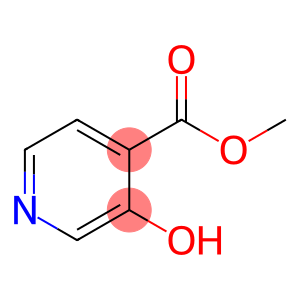
Methyl 3-hydroxyisonicotinate(CAS#10128-72-0)
| Risk Codes | 20/22 - Harmful by inhalation and if swallowed. |
| Safety Description | 36/37 - Wear suitable protective clothing and gloves. |
| HS Code | 29333990 |
| Hazard Class | IRRITANT |
Introduction
Methyl 3-hydroxyisonicotinate is an organic compound with the formula C6H7NO4. The following is a description of the properties, uses, preparation methods and safety information of 3-hydroxyisonicotinic acid methyl ester:
Nature:
-3-Hydroxyisonicotinic acid methyl ester is a colorless or light yellow liquid with a special smell.
-It is soluble in water, ethanol and ether.
-3-Hydroxyisonicotinic acid methyl ester is stable to air and light.
Use:
-3-hydroxyisonicotinic acid methyl ester can be used as a pharmaceutical intermediate for the synthesis of some drugs.
-It can also be used as an ingredient in cosmetics and skin care products.
Preparation Method:
-3-hydroxyisonicotinic acid methyl ester can be synthesized by methyl esterification of isonicotinic acid. The reaction is usually carried out under acidic conditions using methanol as a methylating agent.
Safety Information:
-3-Hydroxyisonicotinic acid methyl ester may produce an explosive vapor/gas mixture at a certain temperature, so it is necessary to avoid high temperature, fire source and open flame.
-Wear appropriate personal protective equipment, such as chemical protective glasses, protective gloves and protective clothing.
-When in contact with skin or eyes, you need to rinse immediately with plenty of water, and if necessary, seek medical help.
-3-Hydroxyisonicotinic acid methyl ester should be stored in a sealed container, away from fire and oxidizing agents, and stored in a cool and dry place.
Please note that the above information is for reference only. Please follow the correct safety procedures when using or handling chemicals and comply with relevant laws and regulations.
Application
Methyl 3-hydroxyisonicotinate (CAS 10128-72-0) is a highly functionalized pyridine derivative serving as a versatile building block in medicinal chemistry and pharmaceutical research. The 3‑hydroxy and 4‑methyl ester groups enable orthogonal derivatization: the hydroxyl allows alkylation or acylation, while the ester can be hydrolyzed to the corresponding carboxylic acid for amide formation. This scaffold is widely used in the synthesis of kinase inhibitors (e.g., JAK, BTK, CDK), antiviral agents, and anti‑inflammatory drug candidates. Its rigid, hydrogen‑bond‑capable pyridine core enhances target binding affinity and metabolic stability. It also serves as a key intermediate for preparing substituted nicotinic acid analogs, agrochemicals, and functional materials. High purity ensures reproducible results in high‑throughput screening and scalable GMP manufacturing. Xinchem offers custom synthesis, custom chemical synthesis, and contract manufacturing of this essential compound with flexible scaling from R&D to commercial tons. Contact us today for a competitive quote and reliable global supply.