
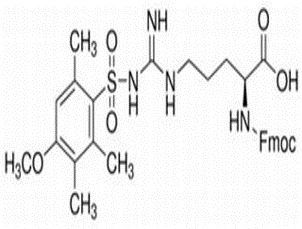
N-Fmoc-N-4-methoxy-2,3,6-trimethylbenzenesulfonyl-L-arginine CAS 98930-01-9
Introduction
Toxin peptides are a class of toxic peptide molecules, usually produced by bacteria, plants, or animals. The properties of toxin peptides depend on their structure and source, and some are neurotoxic, cytotoxic, or otherwise biological. CALCISEPTINE IS A TOXIN PEPTIDE WITH CAS NUMBER 178805-91-9, AND ITS SPECIFIC PROPERTIES REQUIRE FURTHER INVESTIGATION.
The preparation of toxin peptides usually needs to be extracted from living organisms or obtained by synthetic methods, and the preparation process can be complex and requires professional technical support.
Toxin peptides are potentially toxic, and the dosage and concentration need to be strictly controlled when used to avoid harm to the human body or the environment. When operating in the laboratory, you need to wear personal protective equipment and follow the relevant safety operating procedures. For the research and application of toxin peptides, relevant regulations and safety standards should be followed to ensure the safety of people and the environment.
Fmoc-Arg(Mtr)-OH (Nα-Fmoc-Nω-(4-methoxy-2,3,6-trimethylbenzenesulfonyl)-L-arginine) is a specialty building block for Fmoc solid‑phase peptide synthesis (SPPS). The base‑labile Fmoc group guards the α‑amine, while the acid‑labile Mtr moiety protects the nucleophilic guanidino side chain, preventing branching and other side reactions during chain assembly. After peptide elongation, the Mtr group is cleaved with TFA (typically 90∶5∶5 TFA/anisole/water). Compared to the common Pbf group, Mtr is more acid‑labile and requires shorter deprotection times (about 4–5× faster), allowing milder cleavage conditions that are beneficial for acid‑sensitive sequences. This derivative is essential for synthesizing arginine‑rich bioactive peptides, including cell‑penetrating peptides (e.g., TAT, penetratin), antimicrobial peptides, and peptide hormones, as well as for preparing peptide–drug conjugates, diagnostic probes, and antigenic peptides for vaccine research. Its well‑defined side‑chain protection enables reliable, high‑purity production of complex therapeutic peptides for pharmaceutical R&D. Xinchem offers custom synthesis and contract manufacturing of this high‑purity building block from R&D to commercial tons. Contact us for a competitive quote and global supply.