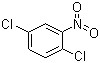


N-Methylaniline(CAS#100-61-8)
| Risk Codes | R23/24/25 - Toxic by inhalation, in contact with skin and if swallowed. R33 - Danger of cumulative effects R50/53 - Very toxic to aquatic organisms, may cause long-term adverse effects in the aquatic environment. |
| Safety Description | S28 - After contact with skin, wash immediately with plenty of soap-suds. S36/37 - Wear suitable protective clothing and gloves. S45 - In case of accident or if you feel unwell, seek medical advice immediately (show the label whenever possible.) S60 - This material and its container must be disposed of as hazardous waste. S61 - Avoid release to the environment. Refer to special instructions / safety data sheets. S28A - |
| UN IDs | UN 2294 6.1/PG 3 |
| WGK Germany | 3 |
| RTECS | BY4550000 |
| FLUKA BRAND F CODES | 8 |
| TSCA | Yes |
| HS Code | 29214200 |
| Hazard Class | 6.1 |
| Packing Group | III |
| Toxicity | LD in rabbits (g/kg): 0.28 orally; in rabbits, cats (mg/kg): 24, 24 i.v. (Treon) |
Introduction
N-methylaniline is an organic compound, and the following is an introduction to its properties, uses, preparation methods and safety information:- Appearance: colorless or slightly yellow liquid with a special ammonia odor. - Solubility: Soluble in water, alcohols and ether solvents. - Stability: It is easy to oxidize, and it will explode when it encounters a strong oxidizing agent. Uses:- N-methylaniline is an important intermediate in organic synthesis, which can be used to synthesize dyes, plant protection agents and other compounds. - It can also be used as an accelerator in rubber production, a coupling agent in dyes, and an oxidant reducing agent. Preparation method:- The common preparation method of N-methylaniline is aniline and methanol reaction. - The specific preparation method is as follows:1. Put aniline into the reaction vessel and add methanol. 2. Reacting at the appropriate temperature and pressure, usually requires the presence of a catalyst, such as nickel chloride. 3. After the end of the reaction, the purified product is separated, usually by distillation or crystallization. Safety Information:- N-Methylaniline has certain toxicity, irritating effect on the skin and eyes, and may cause allergic reactions. - Wear protective gloves, goggles, and protective clothing when operating. - Avoid inhaling, ingestion, or contact with skin. - It is flammable when exposed to fire, so keep away from high temperatures and open flames.
Application
N-Methylaniline (NMA, CAS 100-61-8) is a secondary aromatic amine featuring a methyl group attached to the nitrogen atom of the aniline structure. As a versatile intermediate in organic synthesis, it serves as a critical precursor in the manufacturing of high-performance azo dyes and pigments for applications across textiles, printing inks, plastics, and packaging coatings. In the fuel industry, N-methylaniline acts as a highly effective, non-metallic gasoline antiknock additive, delivering an octane boost equivalent to traditional aromatics at significantly lower concentrations. The compound also functions as a core building block in the pharmaceutical industry for the synthesis of active pharmaceutical ingredients (APIs), including antihistamines, analgesics, and antipyretic agents. In the rubber industry, it is utilized as a raw material for vulcanization accelerators and antioxidants, enhancing the durability and heat resistance of rubber compounds for automotive and industrial components. Additionally, N-Methylaniline is employed as an intermediate in agrochemical synthesis for selective herbicides, insecticides, and fungicides, and also serves as a corrosion inhibitor, curing accelerator in polymer systems, and organic synthesis reagent. Xinchem offers custom synthesis, custom chemical synthesis, and contract manufacturing of high-purity N-Methylaniline with flexible scaling from R&D to commercial tons. Contact us today for a competitive quote and reliable global supply.