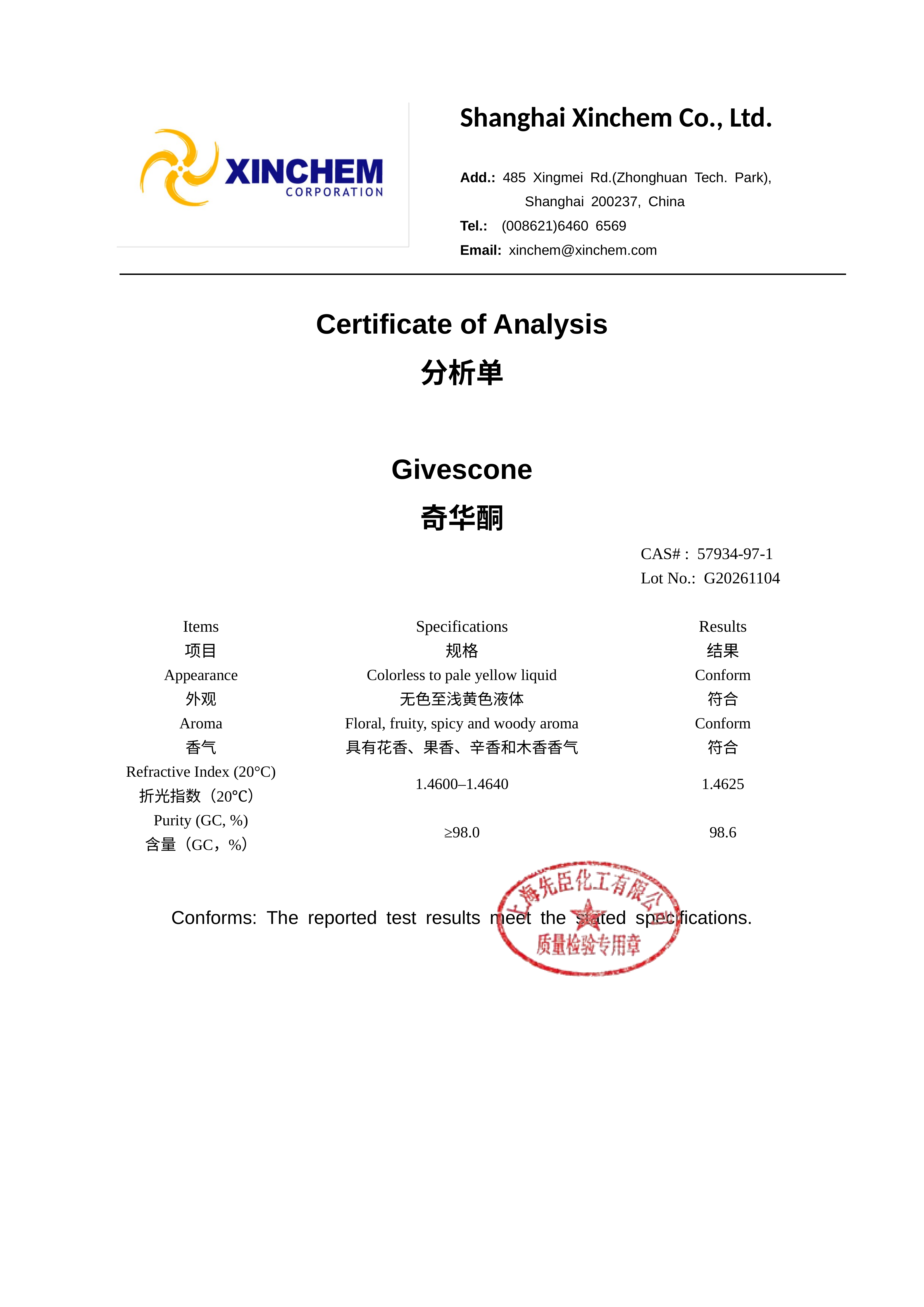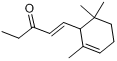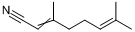


Rose Carboxylate(CAS#57934-97-1)
Properties and Odor Profile
Rose carboxylate is a synthetic fragrance ester with a rose-like floral character, fruity berry nuances, warm spice, and a soft woody dry-down. Its combination of floral and fruity notes makes it useful where a formula needs a clear rose impression with enough depth to carry into the dry-down. It has very low water solubility, so clarity should be checked in water-rich formulations.
Applications in Perfumery and Personal Care
Fine fragrances. Use rose carboxylate to brighten tea rose accords, give fruity florals a warm spicy facet, or connect a floral heart with a woody or chypre base. It can also round out sharp green or citrus notes in cologne-style compositions. Compare the opening, heart, and dry-down on a blotter to judge how the rose character develops in the blend.
Cosmetics and personal care. Rose carboxylate can bring a recognizable rose note to fragranced creams, cleansing products, and soaps. Evaluate it in the finished base, where the emulsifier or surfactant system can affect clarity and how the fragrance is perceived. Check odor and appearance again after storage.
Laundry and household fragrances. In laundry detergents and scented cleaning products, its floral and spicy facets can add depth to a rose or mixed-floral fragrance. For laundry applications, evaluate the odor in the concentrate and on dried fabric to see how much of the rose character carries through.
Preparation Method
One published synthesis uses a Horner–Wadsworth–Emmons olefination to prepare an unsaturated ethyl ester intermediate from 7-methyl-6-octen-3-one. Acid-catalyzed cyclization forms the cyclohexene ring, and fractional distillation isolates the target fragrance ester.
Safety and Storage
Published safety data for fragrance grades report H412, indicating a long-lasting hazard to aquatic life. Avoid release to drains, use protective gloves and eye protection as specified in the SDS, and store the material in a tightly closed container in a cool, dry, well-ventilated area. Confirm the current SDS and applicable fragrance requirements for the intended finished product and market.
Grade Selection and Ordering
When matching an existing fragrance, compare the odor and GC profile of a sample. Some commercial grades also contain the related ester ethyl 2,3,6,6-tetramethylcyclohex-2-ene-1-carboxylate (CAS 77851-07-1). If composition matters for your formula or documentation, confirm which components the GC assay covers.
Request a quote from XinChem. Include your intended application, required quantity, and any odor or composition targets. Ask for a sample, the grade specification, the SDS, and a representative CoA.