

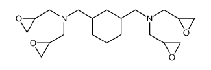
1,3-bis(N,N-diglycidylaminomethyl)cyclohexane(CAS#65992-66-7)
一 . Clarified Safety Operation Requirements
Storage Safety: Seal and store in a cool, dry, dark area at 2-8°C, keep away from heat sources, open flames and strong oxidizing substances
二. Operation Protection: Wear chemical-resistant protective gloves, goggles, gas mask and full set of anti-corrosion protective clothing during operation. Thoroughly clean all contacted parts of the body after operation, and do not take contaminated work clothes out of the operation area
三 . Confirmed Potential Risk Warnings
Acute Toxicity Risk: Toxic if swallowed (H301). Accidental ingestion may directly damage the digestive tract and nervous system, and can be fatal in severe cases
Strong Corrosion Damage Risk: Causes severe skin burns and permanent eye damage (H314). Unprotected contact may cause chemical ulceration and corneal blindness
Skin Sensitization Risk: May cause allergic skin reaction (H317). Repeated contact easily induces allergic dermatitis and intractable skin pruritus
Toxic Fume Release Risk: When decomposed at high temperature, it will release toxic fumes containing nitrogen oxides and epoxy substances. Inhalation may cause respiratory tract burns and chemical pneumonia
四. Emergency Disposal and Supplementary Note
In case of accidental swallowing, immediately call a poison center/doctor. Do not induce vomiting after rinsing mouth; in case of skin/eye contamination, immediately rinse with plenty of flowing clean water for more than 15 minutes and seek medical attention

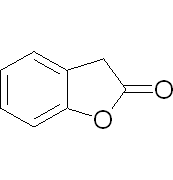
![1 8-Diazabicyclo[5.4.0]undec-7-ene(CAS# 6674-22-2)](https://www.xinchem.com/uploads/18Diazabicyclo540undec7ene.png)