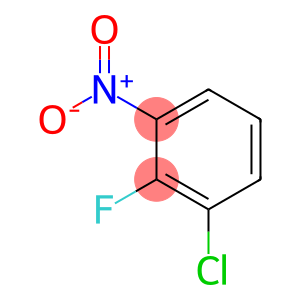

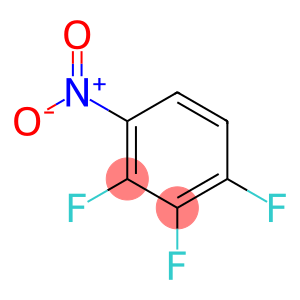
2,3,4-Trifluoronitrobenzene(CAS#771-69-7)
| Risk Codes | R20/21/22 - Harmful by inhalation, in contact with skin and if swallowed. R36/37/38 - Irritating to eyes, respiratory system and skin. |
| Safety Description | S26 - In case of contact with eyes, rinse immediately with plenty of water and seek medical advice. S36/37/39 - Wear suitable protective clothing, gloves and eye/face protection. S24/25 - Avoid contact with skin and eyes. |
| UN IDs | UN2810 |
| WGK Germany | 3 |
| HS Code | 29042090 |
| Hazard Note | Irritant |
| Hazard Class | 6.1 |
| Packing Group | III |
Introduction
2,3,4-Trifluoronitrobenzene is an organic compound. The following is an introduction to its nature, use, preparation method and safety information:Quality:- Appearance: 2,3,4-trifluoronitrobenzene is white crystals or crystalline powder.- Solubility: It has some solubility in common organic solvents.Use:- 2,3,4-Trifluoronitrobenzene can be used as an important intermediate in organic synthesis for the synthesis of compounds with special chemical properties.- It can also be used as a synthetic raw material for dyes and pigments.Method:- 2,3,4-Trifluoronitrobenzene is usually prepared by a substitution reaction of benzene under appropriate conditions. The specific method can be a substitution reaction in the presence of reagents such as trifluoronitrobenzanol and ferrous chloride.Safety Information:- 2,3,4-Trifluoronitrobenzene should be avoided from contact with the skin, eyes, and mucous membranes as it may be irritating and corrosive to these tissues.- Wear appropriate personal protective equipment such as chemical protective clothing, protective gloves, and goggles when using or handling the compound.- When storing and transporting, contact with substances such as flammables and oxidants should be avoided to prevent fire or explosion.- It should be stored in a cool, dry, well-ventilated place and away from fire.- Before any operation, read the relevant safety manual for the chemical and follow the correct safe operating procedures.
Application
2,3,4-Trifluoronitrobenzene is a highly functionalized halogenated nitroarene extensively used as a versatile building block in pharmaceutical and agrochemical R&D. The electron-deficient aromatic ring, activated by three fluorine atoms and a nitro group, enables regioselective nucleophilic aromatic substitution (SNAr) and palladium-catalyzed cross-coupling reactions (Suzuki-Miyaura, Buchwald-Hartwig, Sonogashira). This key pharmaceutical intermediate serves as a critical precursor for the synthesis of potent kinase inhibitors, antiviral agents, and antimicrobial drugs. In agrochemistry, it is employed to develop selective herbicides, fungicides, and insecticides with enhanced crop protection profiles. The unique trifluoromethyl-like environment provided by three fluorine atoms improves metabolic stability and lipophilicity of drug candidates. High purity ensures reproducible results in high-throughput screening, structure-activity relationship (SAR) studies, and scalable GMP manufacturing. Xinchem offers custom synthesis, custom chemical synthesis, and contract manufacturing of this essential intermediate with flexible scaling from R&D to commercial tons. Contact us today for a competitive quote and reliable global supply.