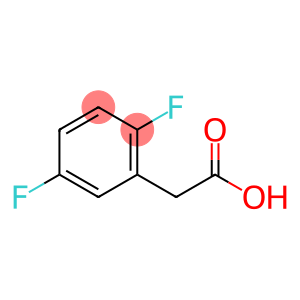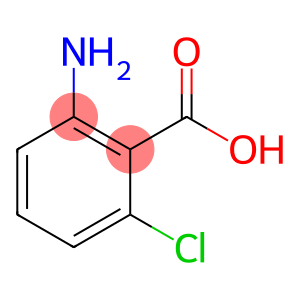

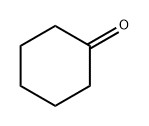
Cyclohexanone(CAS#108-94-1)
| Hazard Symbols | Xn - Harmful |
| Risk Codes | R10 - Flammable R20 - Harmful by inhalation R41 - Risk of serious damage to eyes R38 - Irritating to the skin R20/21/22 - Harmful by inhalation, in contact with skin and if swallowed. |
| Safety Description | S25 - Avoid contact with eyes. S36/37/39 - Wear suitable protective clothing, gloves and eye/face protection. S26 - In case of contact with eyes, rinse immediately with plenty of water and seek medical advice. |
| UN IDs | UN 1915 3/PG 3 |
| WGK Germany | 1 |
| RTECS | GW1050000 |
| TSCA | Yes |
| HS Code | 2914 22 00 |
| Hazard Class | 3 |
| Packing Group | III |
| Toxicity | LD50 orally in rats: 1.62 ml/kg (Smyth) |
Product Name and CAS Number
Cyclohexanone | CAS 108 94 1
One Line Sourcing Position
High purity Cyclohexanone for industrial solvent applications and caprolactam production.
Quick RFQ Form
Fill below to get instant quote:
Name Email Company Required quantity Delivery destination Submit
Specification
Purity by GC: 99.5 percent minimum, typical batch 99.7 to 99.9 percent
Appearance: Colorless clear liquid
Odor: Peppermint like or acetone like
Density at 20 deg C: 0.945 to 0.948 g per mL
Refractive index nD20: 1.450 to 1.452
Boiling point: 154 to 156 deg C
Water content Karl Fischer: 0.10 percent maximum
Acid value: 0.10 mg KOH per g maximum
Color APHA: 15 maximum
Residue on evaporation: 0.02 percent maximum
Heavy metals: Less than 5 ppm
Stock Status: In Stock in US warehouse and China hub
Available Quantity and Lead Time
Regular supply: 1 kg to 50 metric tons per shipment
Lead time: 2 to 4 days for standard packaging; bulk orders require 7 to 10 days
Document Support
COA SDS HPLC chromatogram NMR spectrum Mass spectrum MS available upon request
Application
Cyclohexanone is a high volume industrial chemical primarily used as a precursor for caprolactam, which is polymerized to nylon 6 fibers and engineering plastics. Over 80 percent of global cyclohexanone production is consumed in the nylon industry for textile fibers, carpet yarns, and automotive components. As a powerful aprotic solvent, it dissolves many resins, waxes, oils, and polymers including PVC, acrylics, and epoxy resins, making it essential in paints, coatings, inks, and adhesives. In the pharmaceutical industry, cyclohexanone serves as a reaction medium and intermediate for the synthesis of drugs such as anticonvulsants (e.g., pregabalin intermediates) and antifungals. It is also used in the production of herbicides, insecticides, and fungicides for agricultural applications. Cyclohexanone is a starting material for the synthesis of cyclohexanone oxime, cyclohexanol, and adipic acid (via oxidation). In electronic chemicals, it cleans silicon wafers and acts as a solvent for photoresist strippers. Additionally, it finds use as a coalescing agent in latex paints, a degreasing agent for metal surfaces, and as a component in paint thinners and varnish removers. In academic research, cyclohexanone is a standard substrate for studying aldol condensation, reduction (e.g., Meerwein Ponndorf Verley), and oxidation reactions.
Custom Synthesis Support
We offer custom synthesis for cyclohexanone derivatives including substituted cyclohexanones, chiral alcohols, and deuterated analogs. Share your technical datasheet for feasibility review.
Packaging and Shipping
Available in 1 L, 5 L, 20 L, 200 L steel drums or IBC totes. Custom packaging such as stainless steel containers with nitrogen overlay is supported. Fastest dispatch within 7 days after order confirmation. Flammable liquid Class 3, UN 1915, PG III. Store in a cool, well ventilated area away from oxidizers. Grounding recommended during transfer.
Why XinChem
XinChem provides cyclohexanone with strict control of purity, water content, and residue levels for US customers. Our ISO 9001 certified facility monitors every batch by GC and Karl Fischer analysis, ensuring consistent performance for caprolactam production and solvent applications. We maintain a buffer stock of 30 metric tons in US warehouses for emergency deliveries within 48 hours. Each order includes a full documentation package: COA, SDS, GC chromatograms, and NMR spectra accessible through our online portal. Our technical support team assists with solvent compatibility, handling precautions, and regulatory compliance including TSCA, EINECS, and EPA VOC regulations. For contract customers, we offer quarterly price locks and consignment inventory to reduce supply chain risk. Trusted by over 300 polymer, coatings, and pharmaceutical companies in North America. We also provide free sample evaluation for qualified R&D projects and a price match guarantee against any valid competitor quote for equivalent quality. Additionally, we offer custom dehydration to achieve water content below 0.03 percent for moisture sensitive syntheses.
FAQ
Q1 How should cyclohexanone be stored?
A Store in a cool, dry, well ventilated area away from ignition sources and strong oxidizers. Keep container tightly sealed to prevent moisture absorption and evaporation. Shelf life is 24 months under recommended conditions.
Q2 What purity grades do you supply?
A Standard grade is 99.5 percent by GC. We also offer 99.8 percent grade for pharmaceutical and electronic applications, and ACS grade for analytical use.
Q3 Is cyclohexanone soluble in water?
A Slightly soluble in water (about 2.5 g per 100 mL at 20 deg C). Miscible with most organic solvents including ethanol, diethyl ether, and toluene.
Q4 Do you provide sample quantities for formulation testing?
A Yes, free samples of 500 mL are available for qualified US companies. Shipping fee applies for small quantities.
Q5 What are the common impurities in cyclohexanone and how do you control them?
A Key impurities include cyclohexanol, cyclohexylidenecyclohexanone, and water. Our specification limits cyclohexanol below 0.1 percent and water below 0.1 percent.
Q6 Can cyclohexanone be shipped in isotainers for bulk quantities?
A Yes, we can supply in ISO tank containers (20 metric tons per tank). Please contact our logistics team for lead time and pricing.
Q7 What safety measures are required when handling cyclohexanone?
A Use in a well ventilated area. Avoid skin and eye contact. Use PPE including chemical resistant gloves and goggles. Vapors may cause drowsiness and dizziness.