
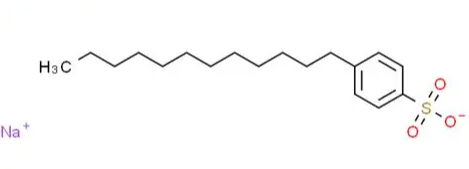
Dodecylbenzene sodium sulfonate (CAS#2211-98-5)
I. Operational Protection Requirements
This substance is irritating, so proper personal protection must be taken during operation:
- Always wear protective gloves, safety goggles, a protective face shield, and impermeable professional work clothing to avoid direct contact with skin and eyes.
- Avoid inhaling its dust, mist or vapor; only operate it in outdoor or well-ventilated areas. Do not eat, drink or smoke during operation.
- Thoroughly clean exposed areas after operation to prevent residual substance from irritating the skin; avoid generating dust, keep away from open flames and high-temperature heat sources, and no smoking is allowed in the workplace.
II. Emergency Treatment for Different Exposure Scenarios
- Skin contact: Immediately take off contaminated clothing, rinse the affected area with plenty of running water. Seek medical attention promptly if persistent irritation occurs; contaminated clothing must be washed thoroughly before reuse.
- Eye contact: Immediately lift the eyelid, and carefully rinse the eye with running water or normal saline for several minutes. If contact lenses are worn, remove them first before continuing rinsing. Seek medical attention immediately if eye discomfort persists.
- Inhalation exposure: Quickly move the patient to an area with fresh air and keep them in a position maintaining unobstructed breathing. Give oxygen if the patient has difficulty breathing, and seek medical attention promptly if the patient feels unwell.
- Ingestion: Induce vomiting after drinking enough warm water and seek medical attention immediately. Do not induce vomiting for an unconscious patient; store the substance in sealed containers daily and keep it out of reach of children.
III. Storage and Leak Handling Requirements
- Storage requirements: Store the substance in a sealed, cool, dry and well-ventilated warehouse. Keep it separately from oxidizing agents and alkaline substances, strictly forbid mixed storage, and lock the warehouse to prevent access by irrelevant personnel.
- Leak handling: Isolate the contaminated leak area to restrict personnel entry, and cut off all ignition sources. Emergency responders must wear a dust-proof full-face respirator and anti-toxic clothing, avoid dust generation, and carefully collect the leaked substance and transfer it to a safe site. For large leaks, cover the area with plastic cloth or canvas, and uniformly recycle and transport it to a compliance waste disposal site for treatment.
- Fire fighting requirements: This substance is combustible, it will burn when exposed to open flame or high temperature, and will decompose and release toxic flue gas when heated. Use water mist, foam, dry powder or carbon dioxide for fire extinguishing. Fire fighters must wear gas masks and extinguish the fire from the windward side.
Write your message here and send it to us
![6-Benzyl-2 4-dichloro-5 6 7 8-tetrahydropyrido[4 3-d]pyrimidine (CAS# 778574-06-4)](https://www.xinchem.com/uploads/6Benzyl24dichloro5678tetrahydropyrido43dpyrimidine.png)