
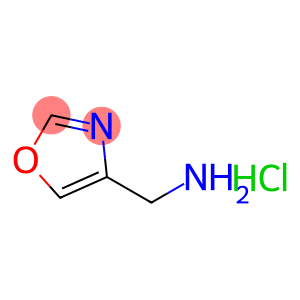
Oxazol-4-yl-methylamine hydrochloride(CAS#1072806-60-0)
Introduction
4-oxazole methylamine hydrochloride is an organic compound. The following is an introduction to its nature, use, preparation and safety information:Quality:- Appearance: White crystalline solid- Solubility: soluble in water and alcohol, slightly soluble in ketones and ether solventsUse:- For the preparation of bioactive compounds and their derivatives- Used as a substrate for various enzymes- For the synthesis of fluorescent labels and dyes- Use as a pH buffer in biochemistry experimentsMethod:The preparation of 4-oxazolemethylamine hydrochloride is generally carried out by the following reactions:- Ethylene oxide is used as a raw material to react with ammonia to form ethanolamine- Ethanolamine is reacted with cyanamide to form dicyandiamine ethanolamine- Treatment of dicyanamide ethanolamine with hydrochloric acid to produce 4-oxazole methylamine hydrochlorideSafety Information:- 4-oxazolemethylamine hydrochloride generally does not pose a significant safety hazard under normal operating conditions. However, appropriate safety measures such as wearing protective gloves, glasses and protective clothing are still required- Avoid contact with skin, eyes, and mucous membranes- In case of inhalation or accidental ingestion, seek medical attention immediately- Keep away from heat and fire sources when storing, keep the container tightly closed, and avoid contact with oxidants- Comply with relevant safety operating procedures and instructions when using and handling
Application
Oxazol-4-yl-methylamine hydrochloride (4-Oxazolemethanamine hydrochloride, CAS 1072806-60-0) is a key heterocyclic building block used in pharmaceutical R&D and chemical biology. The oxazole ring is a privileged scaffold in drug discovery, and the presence of a primary amine enables derivatization via amide coupling, alkylation, or reductive amination. This compound serves as a valuable intermediate in the synthesis of kinase inhibitors targeting CDK, VEGFR2, and IRAK families for cancer and inflammatory disease research. In neurology, it contributes to developing drugs for neurological disorders. It is also used as a substrate for various enzymes and a precursor for fluorescent labels and dyes. Additionally, this versatile scaffold functions as a pH buffer in biochemical experiments and as a reagent in constructing complex heterocyclic architectures. Its rigid, hydrogen-bond-capable oxazole core enhances target binding affinity and metabolic stability for SAR studies and GMP manufacturing. Xinchem offers custom synthesis and contract manufacturing of this high-purity compound from R&D to commercial tons. Contact us for a competitive quote and reliable global supply.