
Fatty acids, butter(CAS#85536-27-0)
Fatty acids, butter (CAS#85536-27-0) is a naturally derived mixture of free fatty acids obtained from butterfat. It is not a single chemical entity but a complex blend whose composition mirrors the fatty acid profile of dairy fat. The mixture is characterized by the presence of short-chain fatty acids—most notably butyric acid (C4:0)—alongside significant proportions of palmitic acid (C16:0) and oleic acid (C18:1). Butyric acid, though present at only a few percent, is the key contributor to the characteristic creamy, tangy, dairy-like aroma and flavor profile of the material.
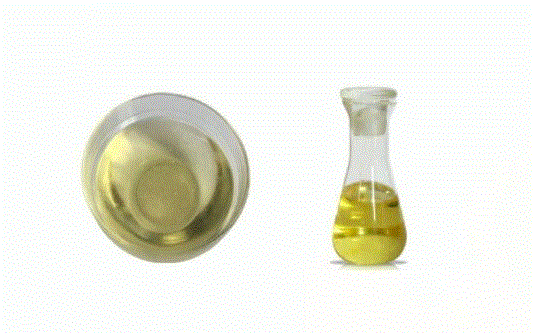
The substance presents as an oily liquid or semi-solid with a medium-strength odor described as fatty, creamy, and waxy, complemented by sweet, cultured, and milky nuances. It is soluble in ethanol and oils but only slightly soluble in water (approximately 0.04 mg/L at 25 °C), a property that necessitates appropriate carriers or solvents in formulation work. The material exhibits good substantivity, allowing its buttery sensory character to persist in finished products.
Applications
Food and Flavor Industry. The primary and most established use of Fatty acids, butter is as a flavoring agent. It is listed in the FEMA inventory as FEMA 2171 and is affirmed as Generally Recognized As Safe (GRAS) by the FEMA Expert Panel. The mixture is employed to impart authentic creamy, fatty, and buttery notes in a wide range of food categories, including baked goods, beverages, frozen dairy products, and confectionery. Its complex fatty acid profile allows flavorists to build rounder, more natural-tasting dairy profiles than can be achieved with isolated single fatty acids such as butyric acid alone.
Fragrance and Personal Care. In the fragrance industry, butter fatty acids serve as a “heart note” ingredient that recreates the comforting, warm aroma of melted butter without the instability or sourcing concerns of fresh dairy. They are used in gourmand fine fragrances, body care products (creams, lotions, and soaps), and candles. The material blends well with vanillin, caramel, and nutty accords to soften sharp dairy edges and add creamy richness. Synthetic or plant-derived versions of butter fatty acids are commercially available as vegan alternatives that avoid the environmental footprint of dairy farming while offering consistent quality.
Industrial and Technical Uses. Beyond sensory applications, butter-derived fatty acids share the general reactivity of monocarboxylic acids and can serve as feedstocks or intermediates in the production of soaps, esters, surfactants, lubricants, and surface coatings. The short-chain fraction, particularly butyric acid, is valued in the synthesis of plasticizers, textile auxiliaries, and disinfectants. However, for most large-scale industrial fatty acid requirements, alternative sources (tallow, palm, coconut) are more economically competitive, and butter fatty acids are primarily specified where the distinctive dairy sensory profile is the functional requirement.
Preparation Method
Fatty acids, butter are obtained by the hydrolysis or saponification of butterfat (anhydrous milk fat). In the classical laboratory procedure, butter is heated with an excess of alcoholic sodium hydroxide until a clear solution is obtained, indicating complete saponification of the triglycerides. The resulting soap solution is then acidified with a dilute mineral acid (such as sulfuric acid) to liberate the free fatty acids, which separate as an oily layer on cooling and can be isolated by decantation or extraction.
On a commercial scale, fat splitting is performed either by high-pressure hydrolysis (the Colgate-Emery process) or by enzymatic hydrolysis using lipases. High-pressure splitting uses water at elevated temperature and pressure without a catalyst, achieving high conversion and producing a “sweet” fatty acid stream free of soap contamination. Enzymatic hydrolysis offers milder conditions and can be tailored to preserve sensitive short-chain fatty acids. The resulting crude fatty acid mixture may be used as-is for flavor and fragrance applications, or subjected to fractionation (distillation, crystallization) to enrich specific chain lengths or to isolate the volatile short-chain fraction responsible for the butter character.
Safety Information
Fatty acids, butter is affirmed as GRAS for use in food flavorings under FEMA 2171, and safety data from regulatory reviews indicate no significant hazard classifications under standard GHS criteria for typical fragrance and flavor use levels. The material is generally safe for use with awareness of its intended application.
Handling considerations are primarily related to its physical and sensory properties rather than acute toxicity. Prolonged or repeated skin contact with large amounts may cause mechanical irritation, and individuals with milk allergies should exercise caution, as the material is derived from dairy and may contain residual milk proteins depending on the degree of purification. At high concentrations in fragrance applications, mild irritation is possible. Standard industrial hygiene practices—adequate ventilation, avoidance of unnecessary skin contact, and use of appropriate personal protective equipment where required by the specific formulation—are recommended. The material should be stored in a cool, dry, well-ventilated area away from strong oxidizers and sources of ignition.
Please contact XinChem to confirm product identity, specification, grade and available safety documentation before quotation or use.