
Pyroligneous acid (CAS#8030-97-5)
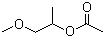
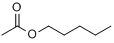
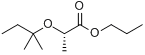
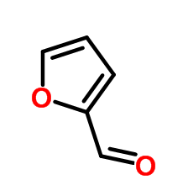
Pyroligneous acid, also known as wood vinegar, is the aqueous condensate obtained from the destructive distillation or pyrolysis of wood and other lignocellulosic biomass. It is not a single chemical entity but a highly complex mixture containing over 200 identified compounds, with the composition varying significantly with feedstock, pyrolysis temperature, and condensation protocol. The principal constituents are water and acetic acid (typically 10–20%), accompanied by methanol, acetone, formic and propionic acids, phenolic derivatives such as guaiacol and phenol, furans, aldehydes, and ketones. This composition gives the liquid a characteristic dark reddish-brown color, a strong smoky-woody odor, and a density of approximately 1.08 g/mL. The flash point of 44 °C (closed cup) places the material in the flammable liquid category, and the acetic acid content imparts acidic, corrosive-like handling characteristics that require appropriate neutralization or dilution before many end uses.
Applications
Pyroligneous acid has two well-established commercial identities: a regulated flavoring agent and a multifunctional bio-based agricultural input.
As a flavoring agent, Pyroligneous acid is listed by the U.S. FDA as a substance added to food with the technical effect of “flavoring agent or adjuvant” (21 CFR 172.515), and it is assigned FEMA 2967 with GRAS status as a natural smoke flavoring. It is used to impart authentic wood-smoke notes to meat, cheese, sauces, snack seasonings, and other savory applications, providing a consistent and concentrated alternative to traditional smoking processes.
In sustainable agriculture, pyroligneous acid has emerged as a multifunctional biostimulant and plant protection agent. At appropriately low concentrations, it promotes seed germination, seedling establishment, root development, and nutrient uptake, and it enhances crop tolerance to both biotic stresses (pathogens, pests) and abiotic stresses such as drought and salinity. At higher concentrations, it exhibits antimicrobial, insecticidal, nematicidal, and herbicidal activity, forming the basis for its use as a bio-pesticide in integrated pest management programs. Co-application with biochar has been shown to further improve soil properties, nutrient availability, and microbial activity. The effects are strongly dose- and context-dependent, and standardized formulations and application protocols are required to ensure consistent field performance and avoid phytotoxicity.
Additional uses include application as a feed additive, deodorizer, compost accelerator, and industrial antimicrobial agent, as well as a source of acetic acid and wood-tar derivatives for downstream chemical processing.
Preparation Method
The historical and still dominant production route for pyroligneous acid is the destructive distillation (dry distillation) of wood. In the classical English process, hardwood or softwood is charged into horizontal cast-iron cylinders or retorts and heated externally in a brickwork furnace. Volatile products are driven off as the wood thermally decomposes in the absence of air, and the vapors are led to a condenser where the liquid portion separates into an aqueous fraction (crude pyroligneous acid) and a tarry fraction. The aqueous condensate is then typically redistilled or otherwise refined to reduce tar content and adjust the acetic acid concentration. Yields and product quality depend on the wood species, moisture content, heating rate, and final carbonization temperature, with the process also yielding charcoal as the solid co-product and non-condensable gases that are often combusted to supply heat. Modern production increasingly employs controlled pyrolysis reactors (e.g., retorts, kilns, or fluidized beds) to improve consistency, and the crude acid may be filtered, decolorized, or neutralized depending on the intended application.
Safety Information
Pyroligneous acid is classified under GHS with the signal word Warning. The harmonized hazard statements are H226 (Flammable liquid and vapour), H312 (Harmful in contact with skin), H315 (Causes skin irritation), H319 (Causes serious eye irritation), and H335 (May cause respiratory irritation) . Some classifications additionally list H302 (Harmful if swallowed) under acute oral toxicity Category 4. The substance is a Flammable Liquid Category 3 material, and the combination of flammability with acidic and phenolic constituents means that both fire and chemical irritation hazards must be managed.
The primary health concerns are skin and eye irritation from the acidic and phenolic components, and respiratory irritation from vapors or mists. Prolonged dermal contact may cause redness, dryness, or dermatitis. Inhalation of concentrated vapors may produce coughing, sore throat, or shortness of breath.
For safe handling, keep the material away from heat, hot surfaces, sparks, open flames, and other ignition sources (P210), and keep containers tightly closed (P233). Ground and bond containers during transfer (P240). Wear protective gloves, protective clothing, and eye/face protection (P280). In case of skin contact, take off immediately all contaminated clothing and rinse the skin with water (P303+P361+P353); if skin irritation occurs, seek medical advice. In case of eye contact, rinse cautiously with water for several minutes, remove contact lenses if present and easy to do so, and continue rinsing (P305+P351+P338). If inhaled and symptoms occur, move to fresh air. Store in a cool, well-ventilated area with containers kept closed. Spills should be absorbed with inert material and disposed of in accordance with local regulations, with care taken to prevent entry into drains and watercourses.