
Sclareolate (CAS#319002-92-1)
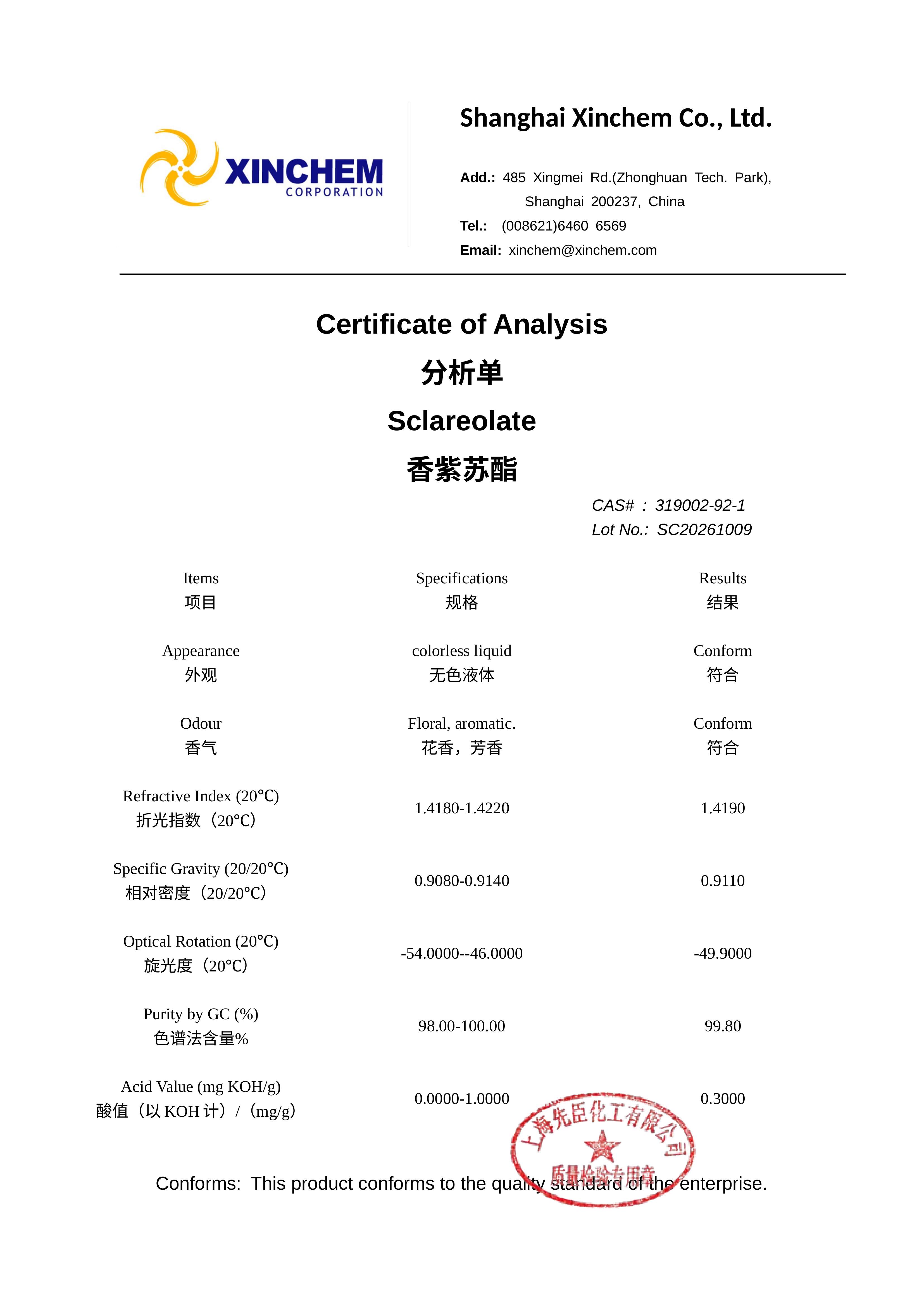
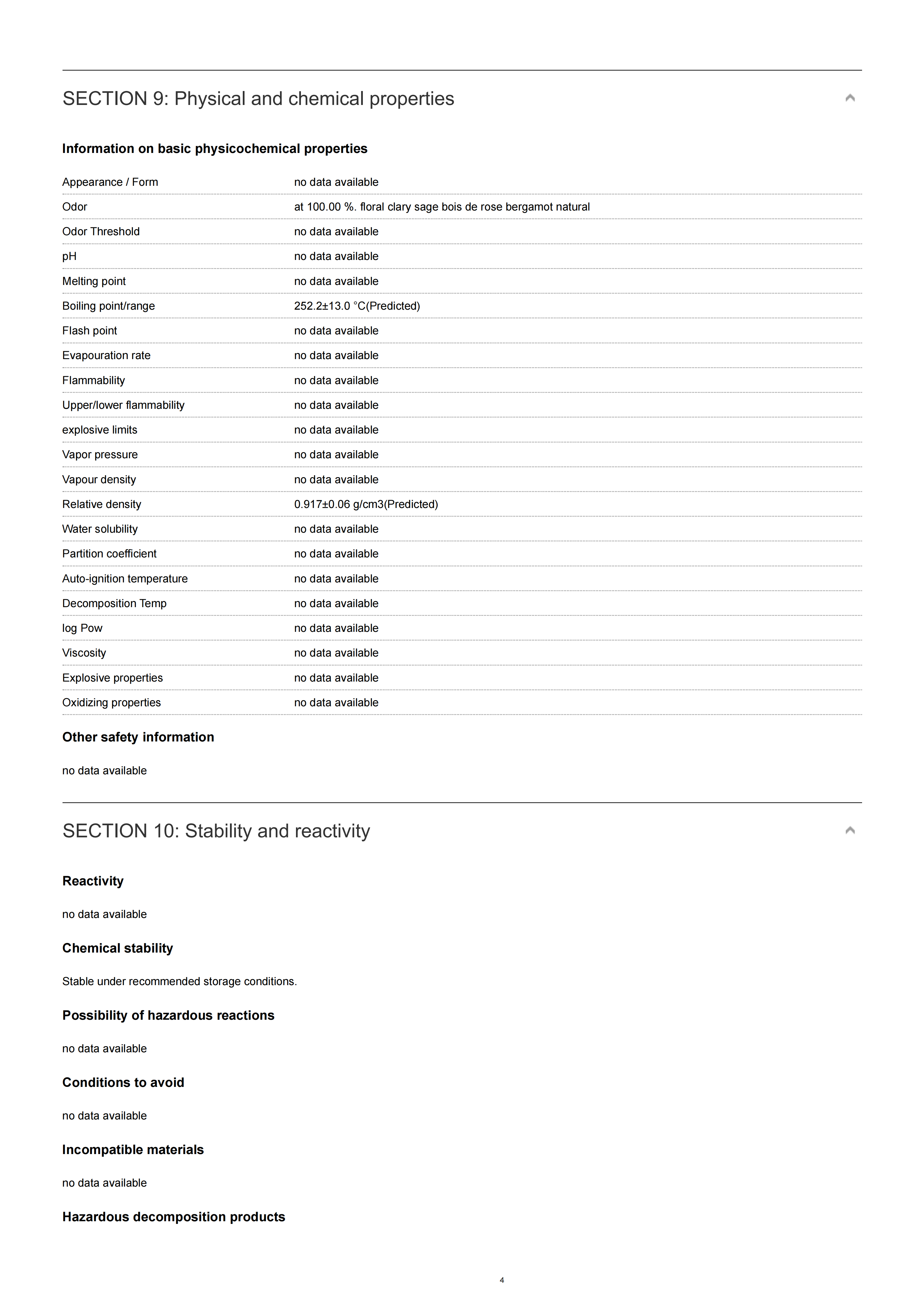
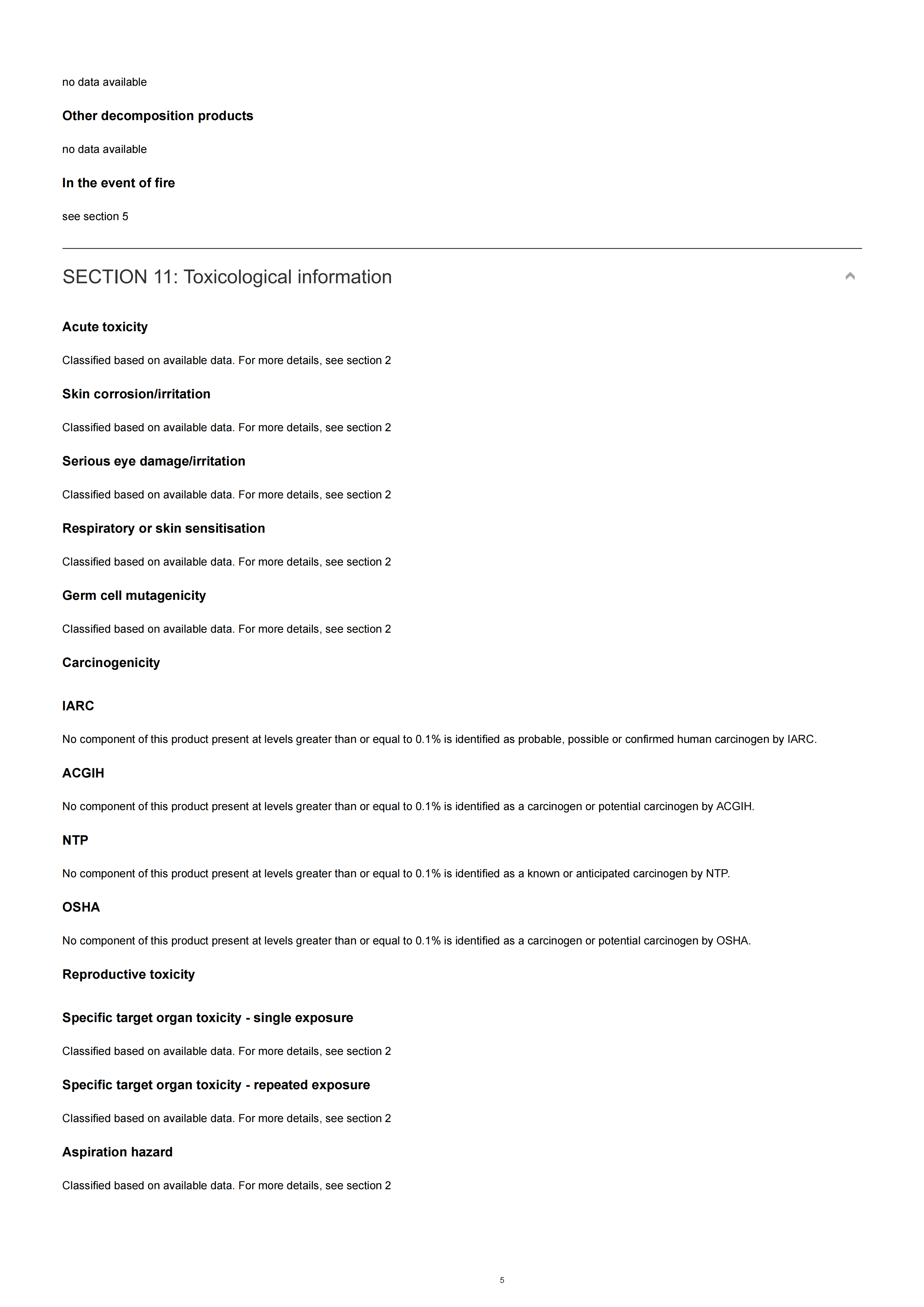
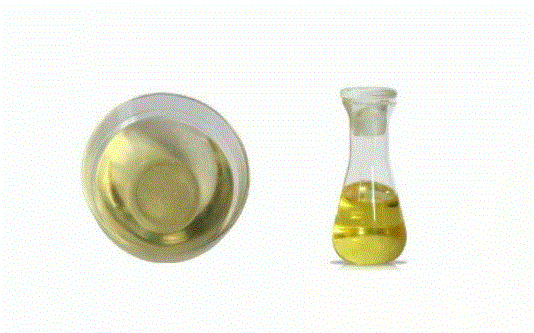
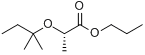
Sclareolate is the fragrance-industry designation for propyl (2S)-2-(1,1-dimethylpropoxy)propanoate, a chiral propanoate ester bearing a tert-pentyl ether substituent at the 2-position of the propionate chain. It is supplied as a colorless, relatively low-viscosity liquid with a measured Log P of 3.39 and a flash point of 87 °C (closed cup), classifying it as a combustible liquid under standard transport criteria. The molecule is highly stable in fragrance compositions, a property attributed to the sterically hindered ether linkage that resists hydrolysis and oxidative degradation under normal storage and use conditions. Its low vapor pressure (0.0906 Pa at 20 °C) contributes to top-note substantivity without excessive volatility, allowing the material to function effectively across both fine fragrance and functional product bases.
Applications
Sclareolate is a specialty fragrance molecule designed as a modern, highly stable alternative to traditional clary sage and linalool-type notes. Its olfactive profile is described as a very natural white floral sage character, positioned between linalool and linalyl acetate, with fresh herbal, lavender, mint, and subtle fruity facets. In perfumery, it imparts body, structure, and a clean natural freshness to compositions, and is particularly effective in citrus and lavender accords. In men’s fragrances it reinforces aromatic signatures, while in women’s fragrances it enhances natural, softly warm floral effects.
The material is versatile across dosage levels, functioning similarly to linalool, dihydromyrcenol, and Coranol in both low and high concentrations. Recommended application areas include fine fragrance, shampoo, shower gel, soap, detergent, fabric softener, and candles; in a shower gel formula at 1% loading, Sclareolate delivered a fresh, clean herbal-clary sage effect with light floral accents, while in a liquid detergent base it transformed the fragrance with a sweet, natural, floral lift. Because it contains no allergen-restricted structural motifs associated with natural clary sage absolute, it allows perfumers to achieve authentic sage effects without allergen labeling constraints.
Preparation Method
Sclareolate is produced through chemical synthesis rather than by isolation from natural sources. The molecule is constructed from simpler petrochemical or fermentation-derived building blocks, consistent with the supplier’s stated R&D approach favoring green chemistry principles where feasible. The specific industrial route is proprietary, but the structure indicates that the key bond-forming step is the etherification of a 2-hydroxypropanoate (lactate) derivative with a tert-pentyl alkylating agent, followed by esterification with propanol. The stereochemistry at the propanoate α-carbon is defined ((2S)-configuration), and commercial material is supplied as the enantiomerically enriched (2S) isomer. Process optimization focuses on maximizing chiral purity, minimizing racemization during ether formation, and achieving the low color and high olfactory purity required for fragrance use.
Safety Information
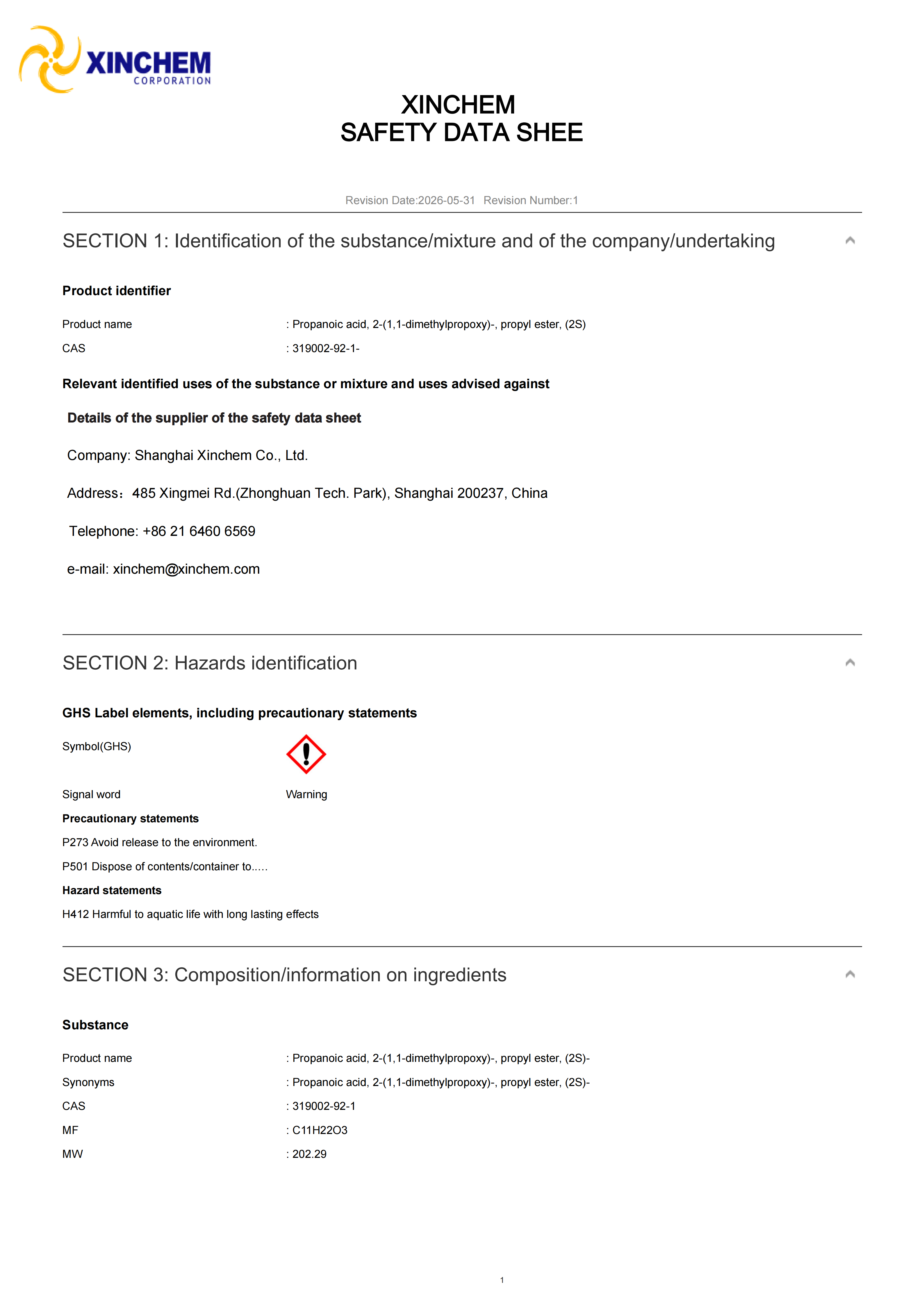
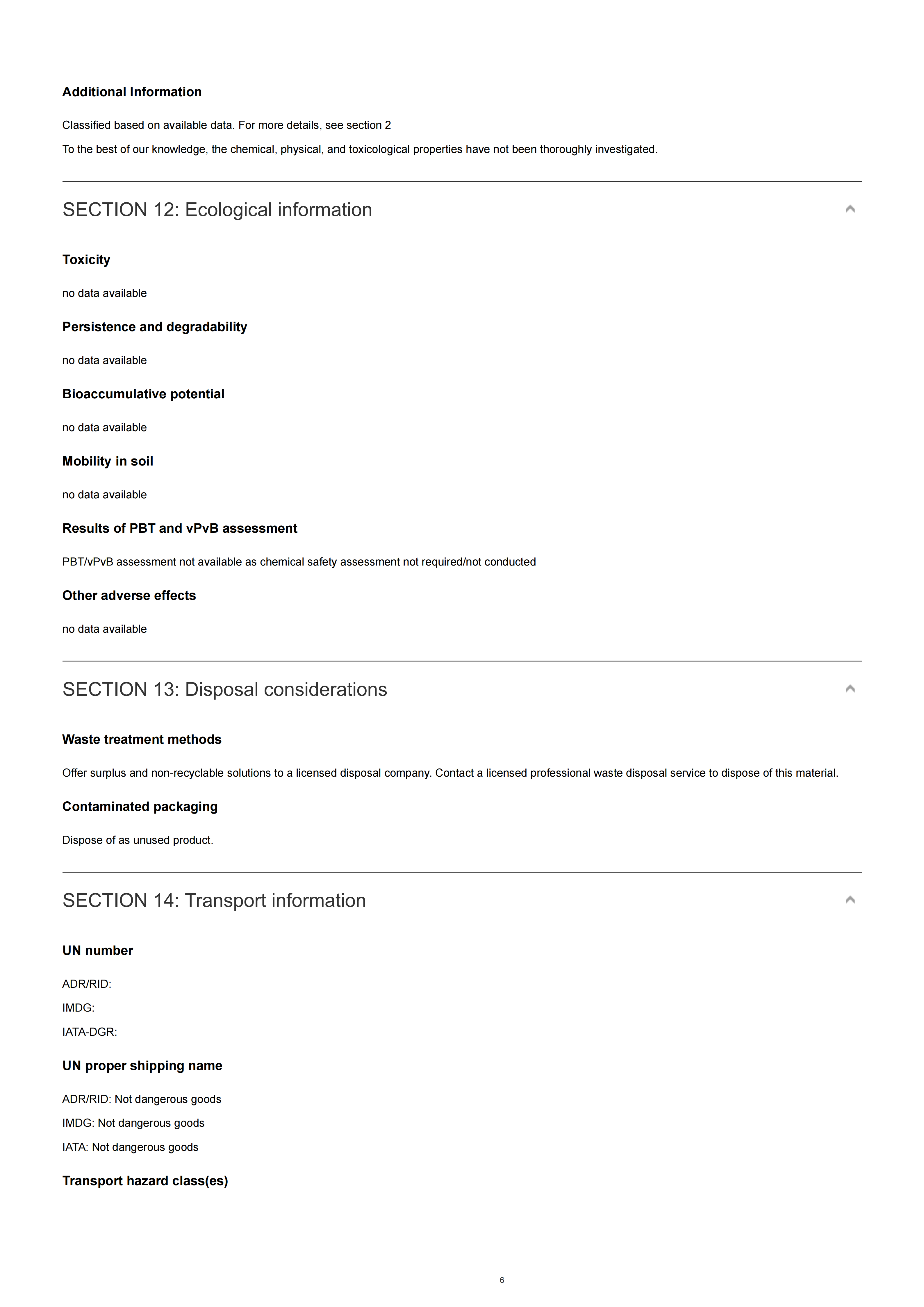
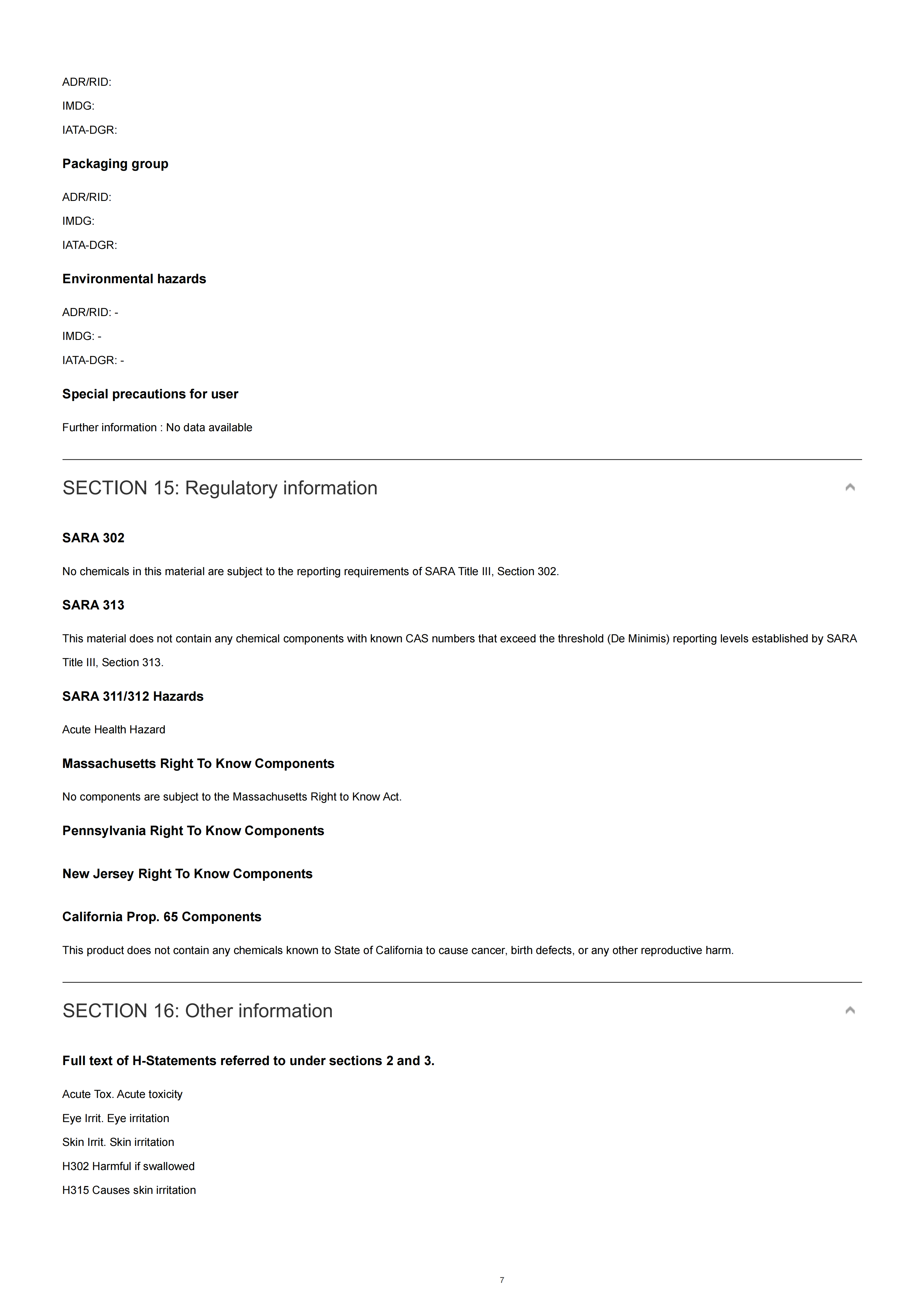
Sclareolate carries a GHS Warning classification. The primary environmental hazard statement is H411: Toxic to aquatic life with long lasting effects. Some safety data sheets additionally note H319: Causes serious eye irritation. The substance is not regulated as dangerous goods under IATA or IMDG for air and sea transport, although it is classified as a combustible liquid, N.O.S. (NA1993, Packing Group III) under DOT ground transport. The flash point of 87 °C is well above typical ambient storage temperatures, reducing ignition risk under normal handling; nevertheless, the material should be kept away from heat, sparks, open flames, and hot surfaces.
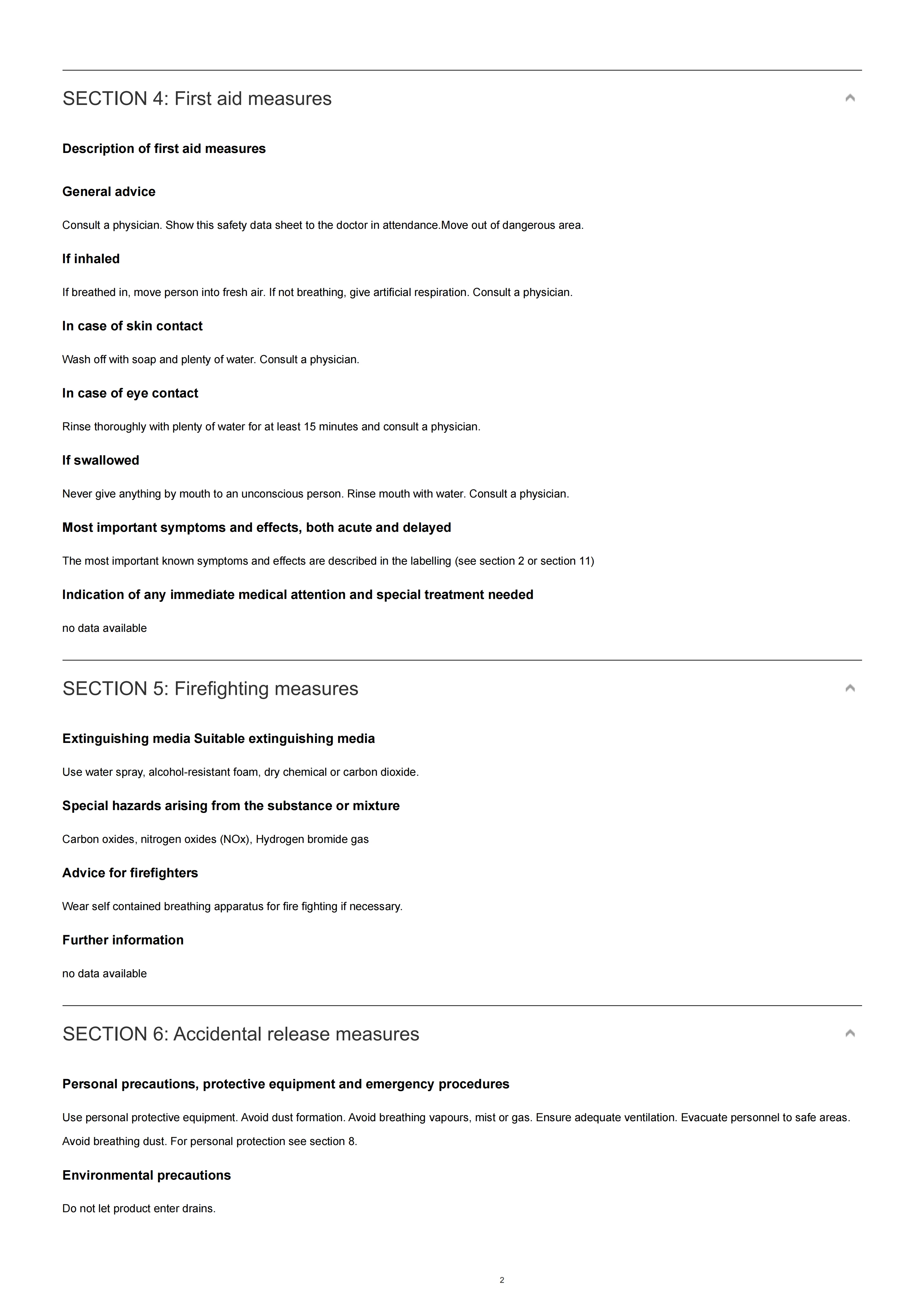
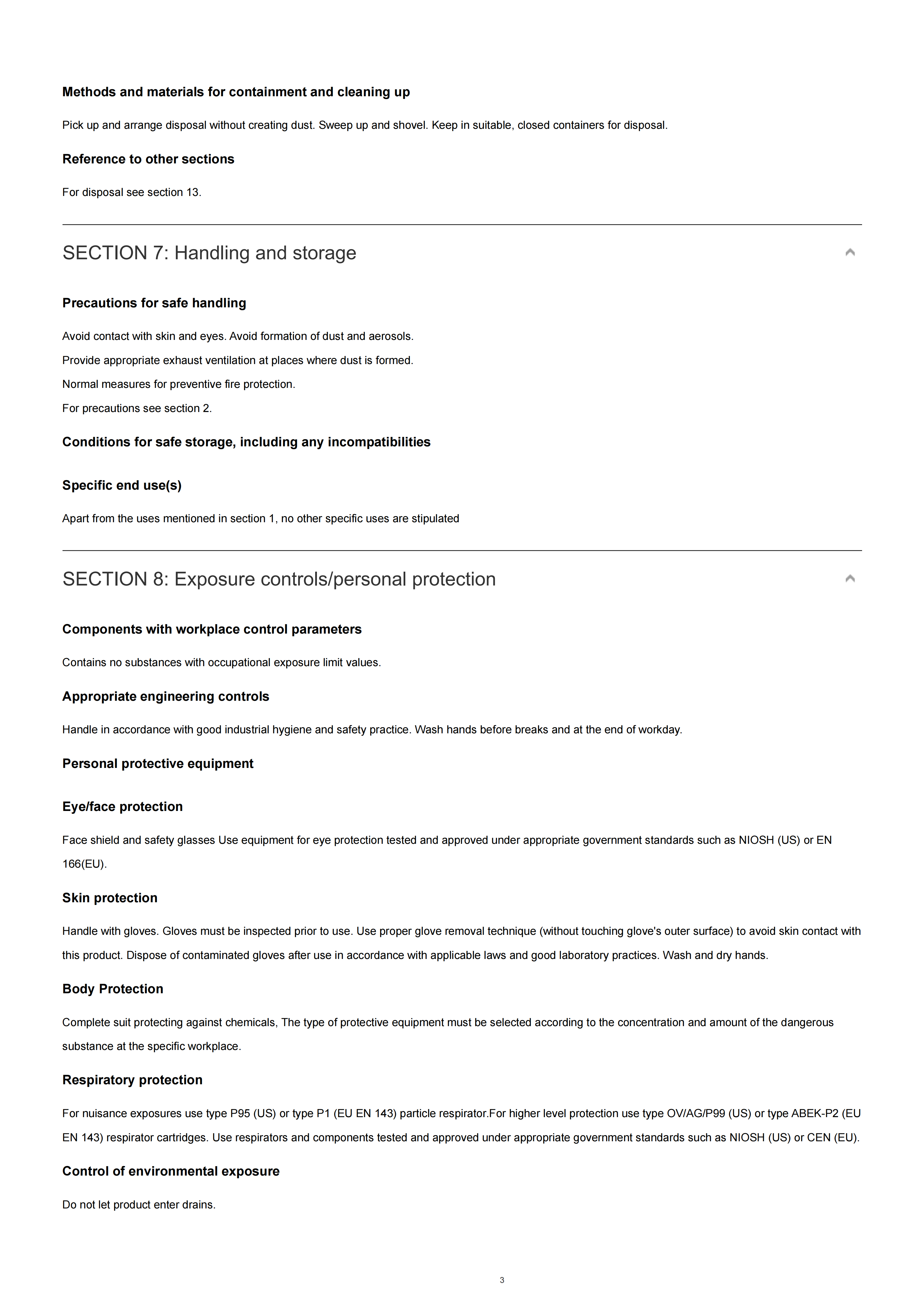
For safe handling, avoid release to the environment and prevent contact with eyes and skin. Wear protective gloves, protective clothing, and eye/face protection as appropriate for the handling scale. In case of eye contact, rinse cautiously with water for several minutes and remove contact lenses if present and easy to do so; if eye irritation persists, seek medical attention. Spills should be collected and disposed of in accordance with local environmental regulations, with particular attention to preventing entry into drains and watercourses. Store in a well-ventilated, cool area in tightly closed containers, away from ignition sources and incompatible oxidizing materials. The recommended shelf life is 12 months under proper storage conditions.