

Dimethyl phthalate (CAS#131-11-3)
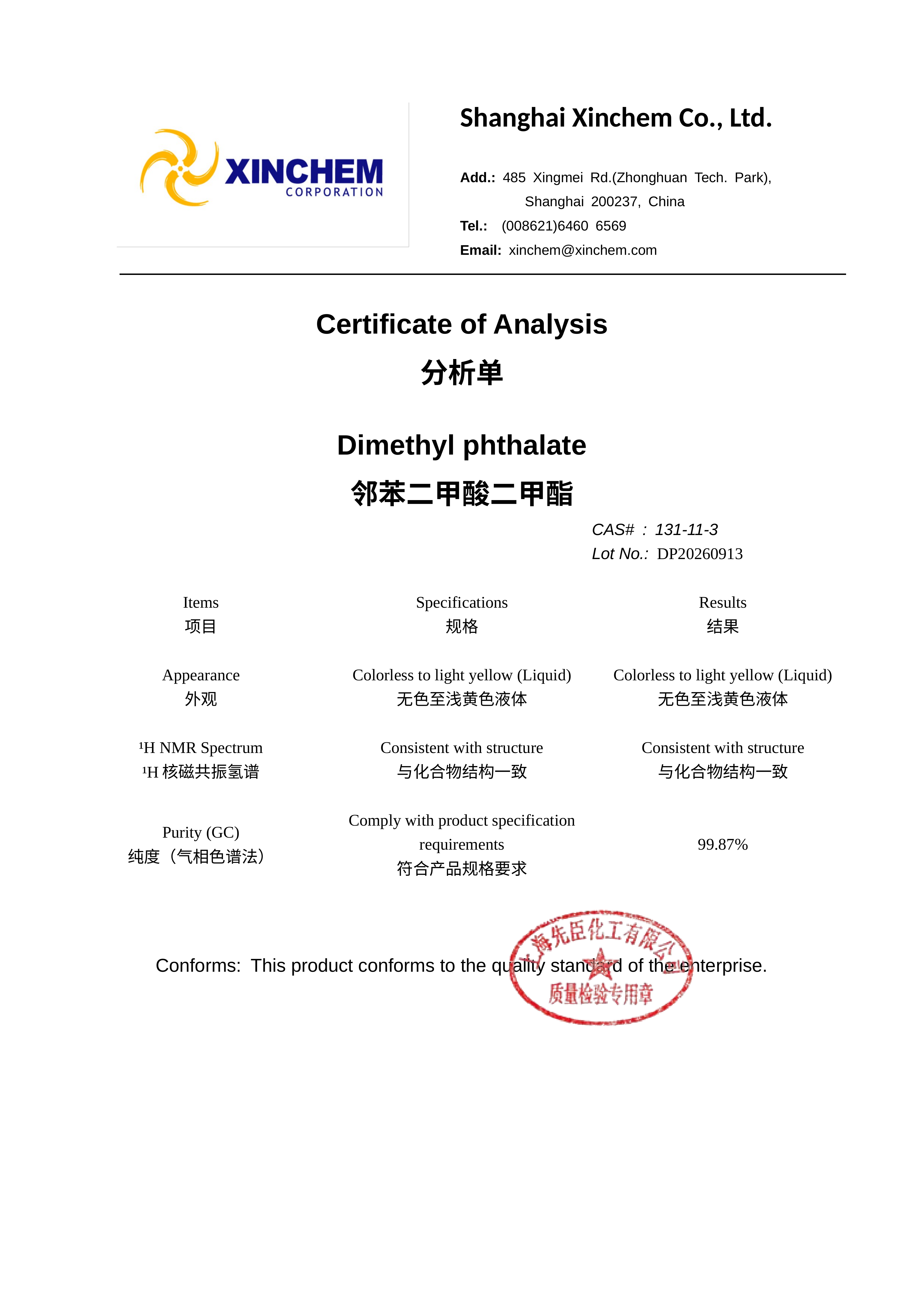
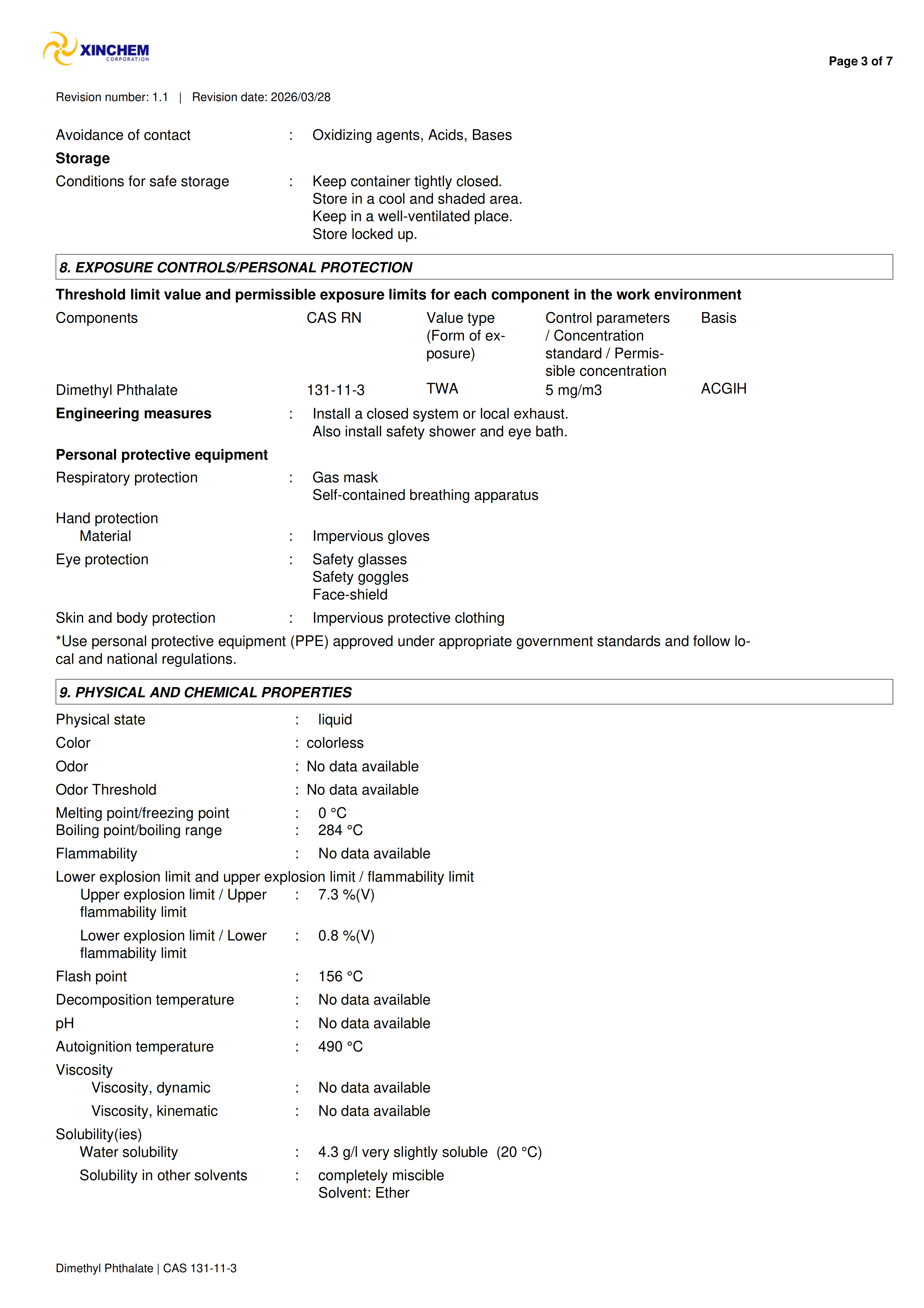
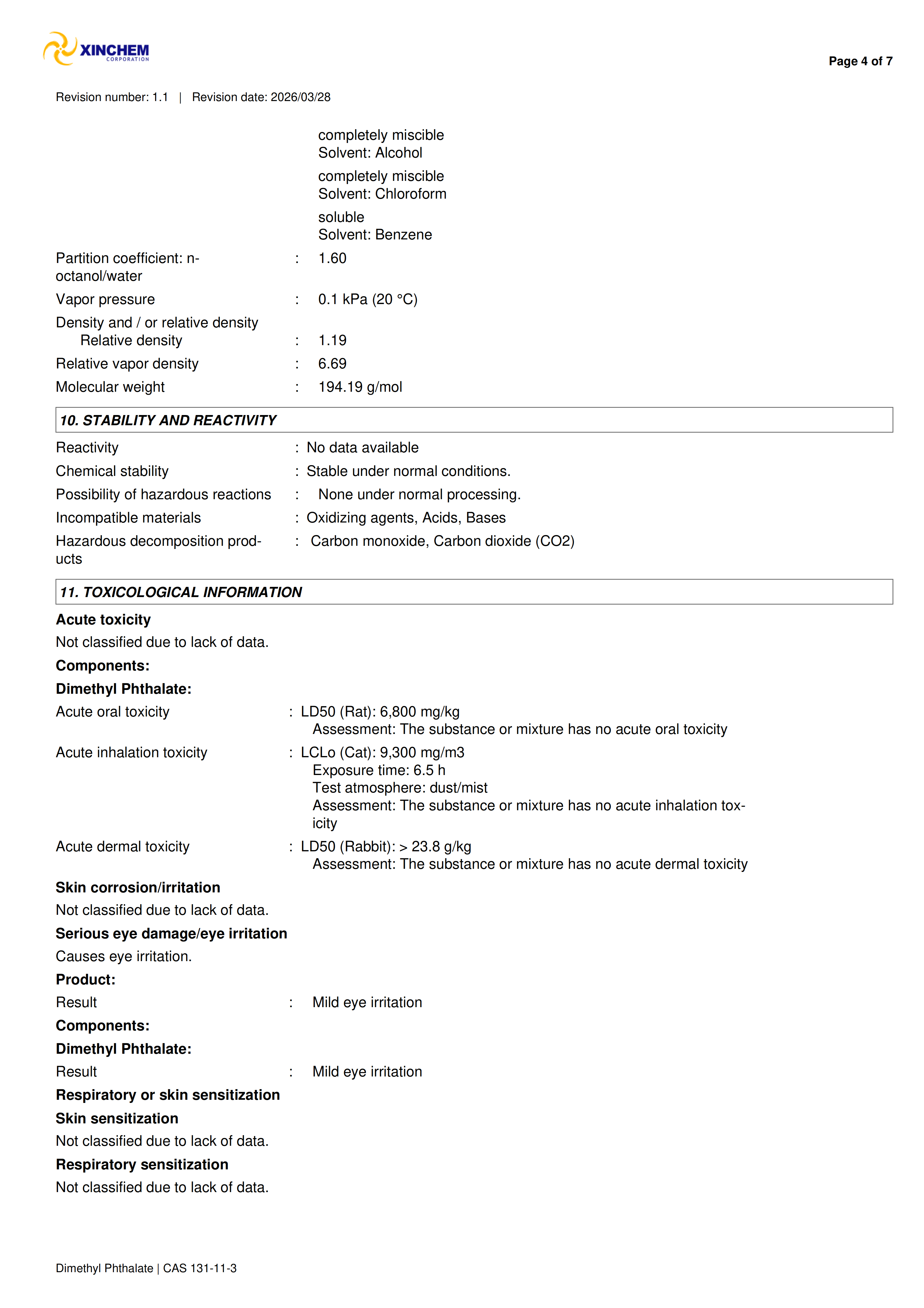
Dimethyl phthalate (DMP) is the dimethyl ester of phthalic acid (1,2-benzenedicarboxylic acid), supplied as a colorless, oily liquid with a slight aromatic odor. It has a molecular weight of 194.2 g/mol, a boiling point of 282–284 °C, and a specific gravity of approximately 1.19 at 20 °C. The compound is only moderately soluble in water (0.43 g/100 mL at 20 °C) but is miscible with a broad range of organic solvents and is compatible with numerous cellulosic resins, rubbers, and ethylenic resins, giving good film-forming, adhesion, and waterproofing properties. DMP is a combustible liquid with a flash point of 146 °C (closed cup) and an autoignition temperature of approximately 490 °C; it forms explosive mixtures with air over the concentration range of 0.9% to 8.0% by volume. The substance is chemically stable under normal conditions but decomposes upon combustion to produce irritant fumes.
DMP belongs to the short-chain phthalate family, a structural classification that distinguishes it from higher-molecular-weight phthalates such as DEHP and DINP. Its relatively low molecular weight and compact ester groups confer high solvency power and rapid fusion characteristics in resin systems, which underpin its principal industrial functions.
Applications
The foremost application of Dimethyl phthalate is as a plasticizer for cellulose acetate and related cellulosic plastics. DMP is described as a good plasticizer for various acetate plastics and is used in the manufacture of cellulose acetate and cellulose butyrate–based materials, where it improves flexibility, processability, and film formation. Its compatibility with cellulosic and rubber systems makes it valuable in lacquers, molding powders, safety glass interlayers, and rubber coating agents.
A second major use is as a specialty solvent. DMP serves as a solvent in the production of methyl ethyl ketone peroxide and in fluorocarbon-containing anticorrosive coatings, where its high solvency and moderate volatility are advantageous. It is also employed as a carrier for catalysts and as a processing solvent in organic peroxide manufacturing.
In consumer and agricultural applications, DMP is a well-established insect and mosquito repellent ingredient, and it has been used in solid rocket propellants, pesticides, and related formulations. The compound further functions as an intermediate for organic synthesis, a viscosity modifier, a softening agent, and a component in lubricants, glues, and textile processing aids.
Preparation Method
The predominant industrial route to Dimethyl phthalate is the esterification of phthalic anhydride with methanol. Phthalic anhydride, a coal-tar-derived building block, is reacted with methanol under reflux in the presence of an acid catalyst—most commonly sulfuric acid, although sodium bisulfate, hydrochloric acid, and ferric sulfate hydrate have also been described. The reaction is typically conducted at temperatures in the range of 60–100 °C for an extended period to bring the reactants to equilibrium. A promoter such as dimethyl sulfate may be added to improve conversion.
Upon completion of the esterification, unreacted methanol is recovered by distillation, and the residue is neutralized with caustic soda. The product is then extracted with benzene (or a comparable solvent) and the extract is subjected to vacuum distillation; DMP is collected as the fraction boiling at approximately 145–146 °C under 10 mmHg, or at 282–284 °C under atmospheric pressure. Modern process improvements have focused on heterogeneous and reusable catalysts, as well as on reducing the stoichiometric excess of methanol and minimizing acidic wastewater generation, to enhance the environmental profile of the manufacturing operation.
Safety Information
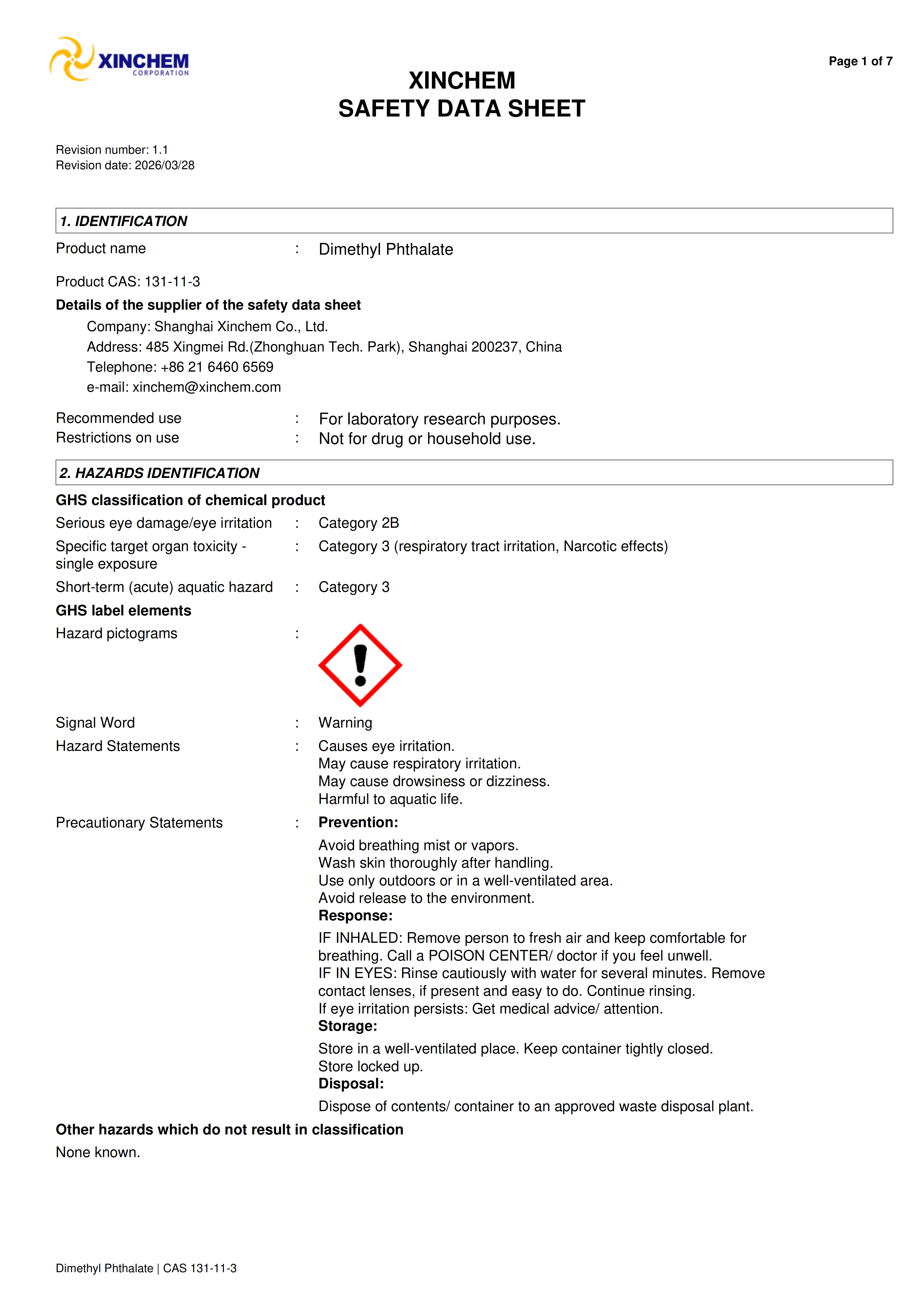
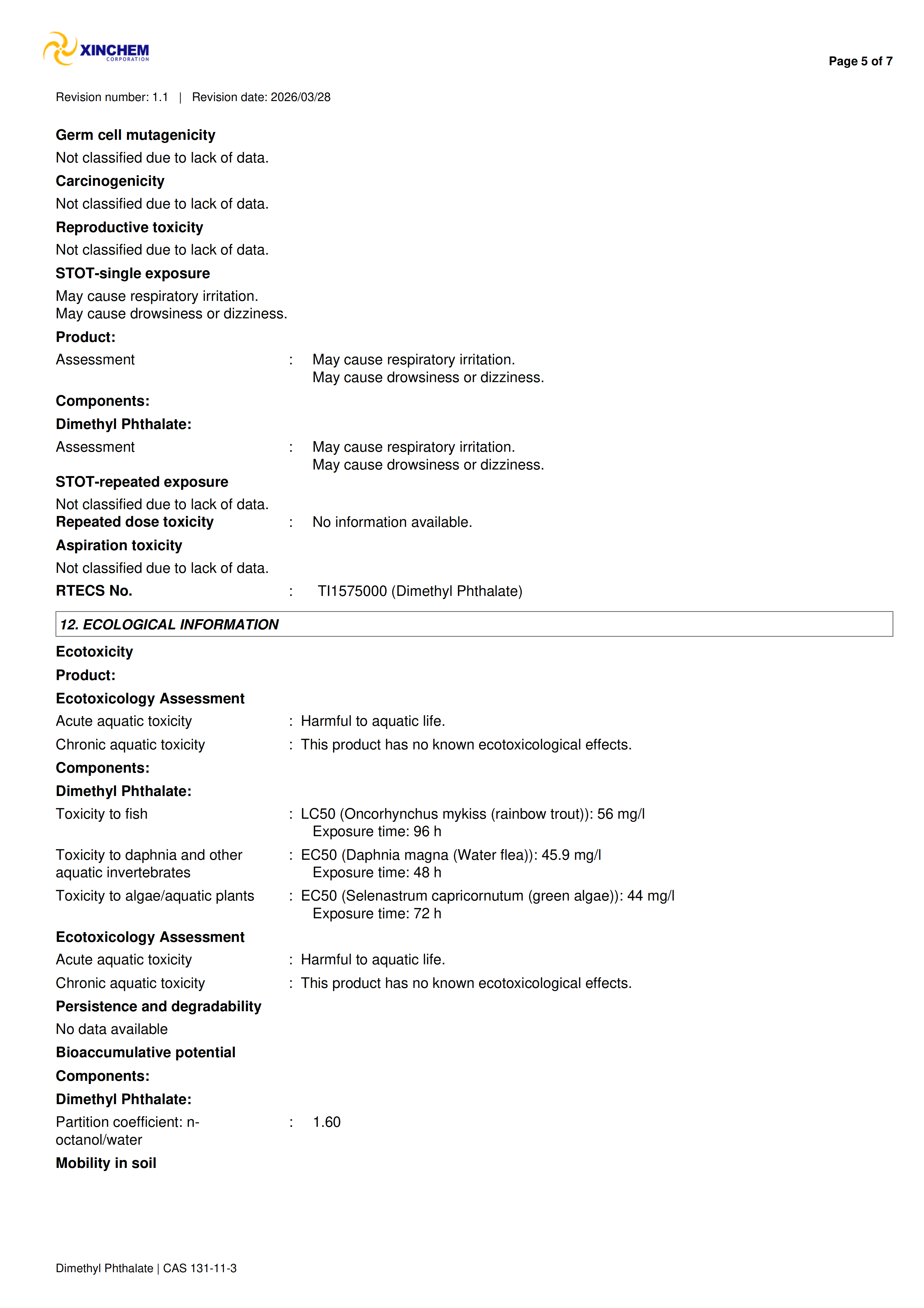
Dimethyl phthalate carries a GHS Warning classification. The principal health hazard statements reported in regulatory classifications include H319 (Causes serious eye irritation) , H335 (May cause respiratory irritation) , and H336 (May cause drowsiness or dizziness) . The substance is also classified as H402 (Harmful to aquatic life) , consistent with its acute aquatic toxicity profile. DMP is not classified as a carcinogen, mutagen, or reproductive toxicant under standard GHS criteria, and its acute mammalian toxicity by oral, dermal, and inhalation routes is characterised as negligible to slight in hazard-profiling assessments. The NFPA ratings are Health 1, Fire 1, and Reactivity 0, indicating a material with slight hazard under fire conditions.
Occupational exposure limits are well established: the OSHA PEL, NIOSH REL, and ACGIH TLV are all 5 mg/m³ as an 8-hour TWA, expressed as total inhalable particulate unless otherwise specified. The IDLH is 2,000 mg/m³.
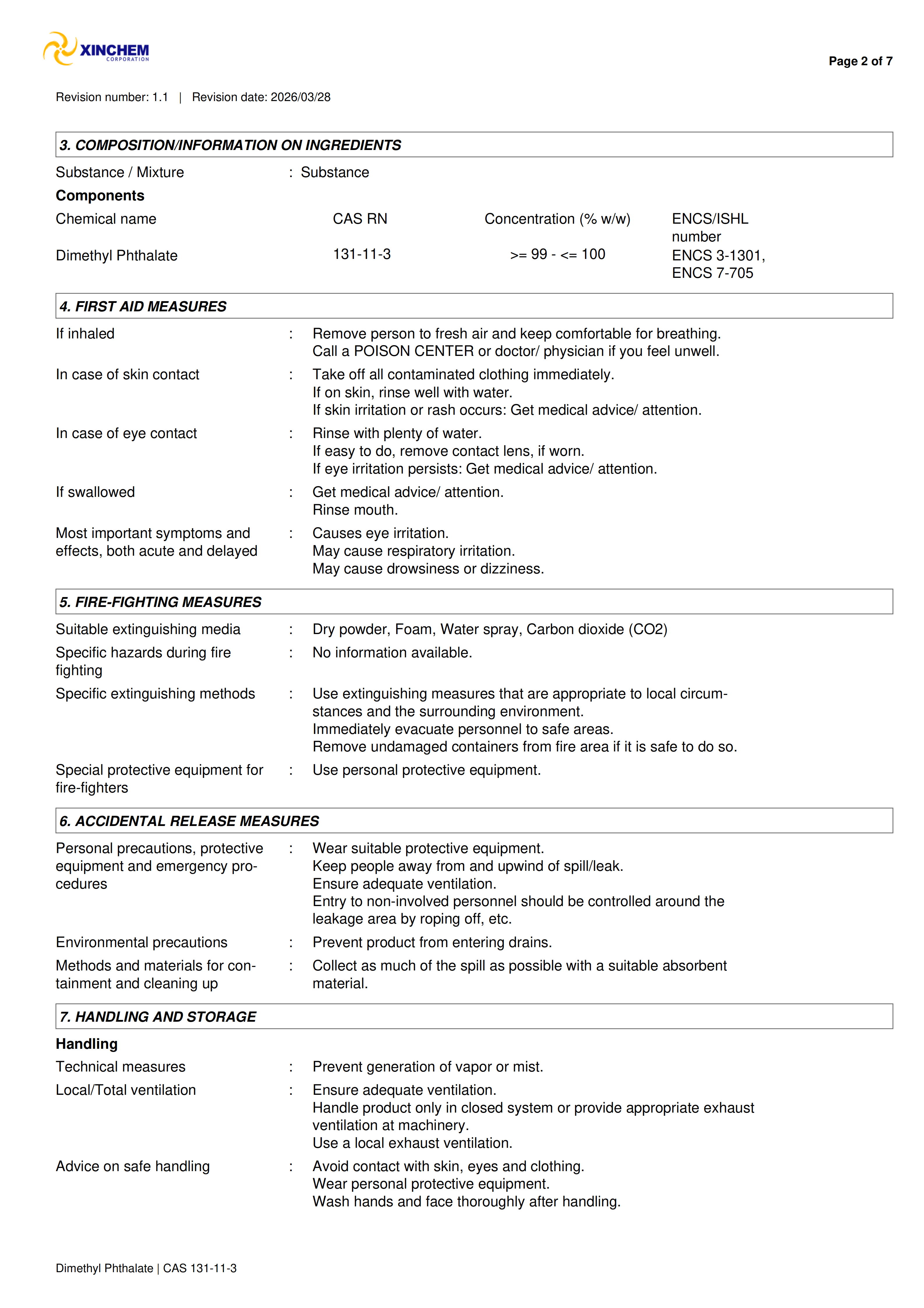
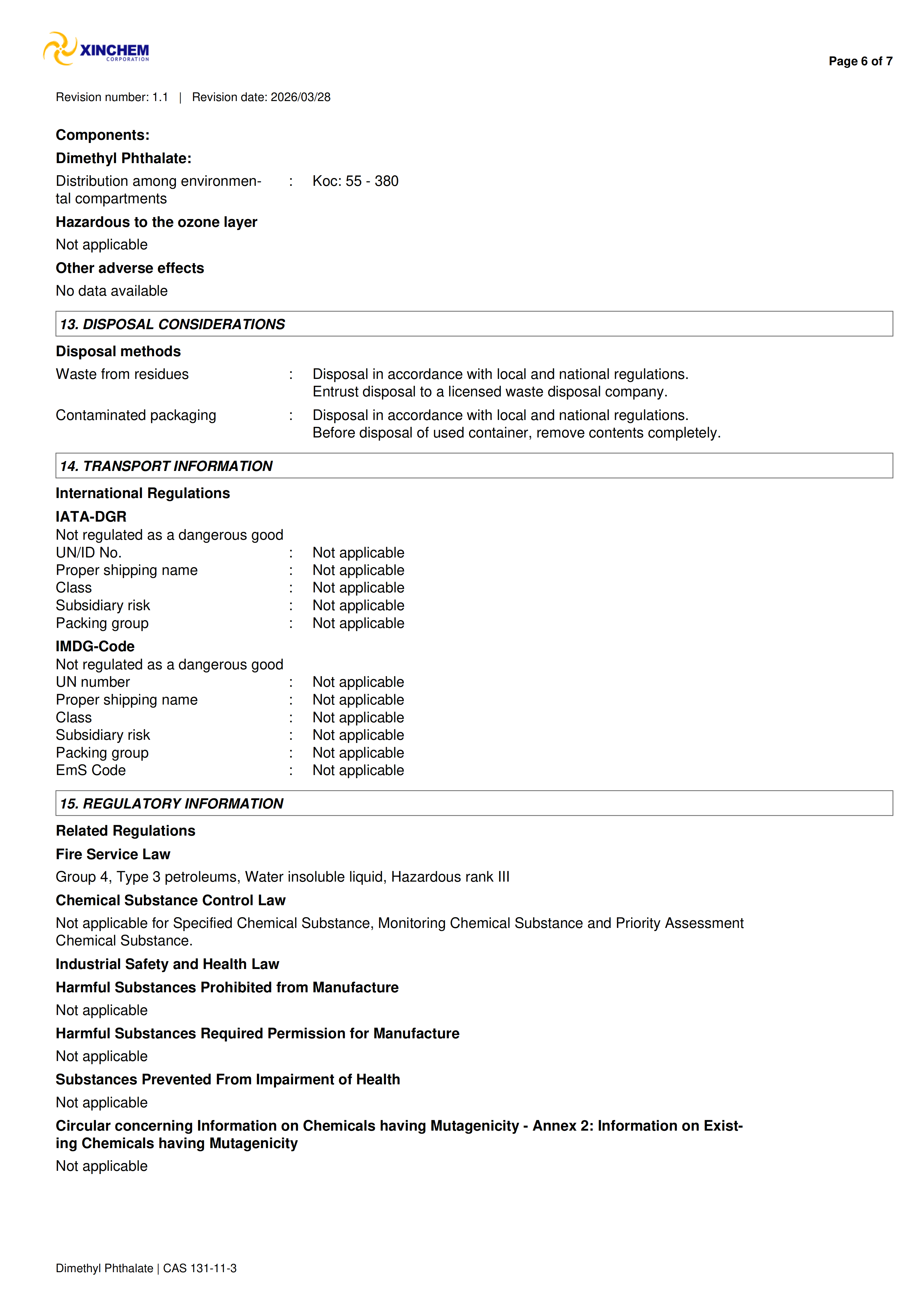
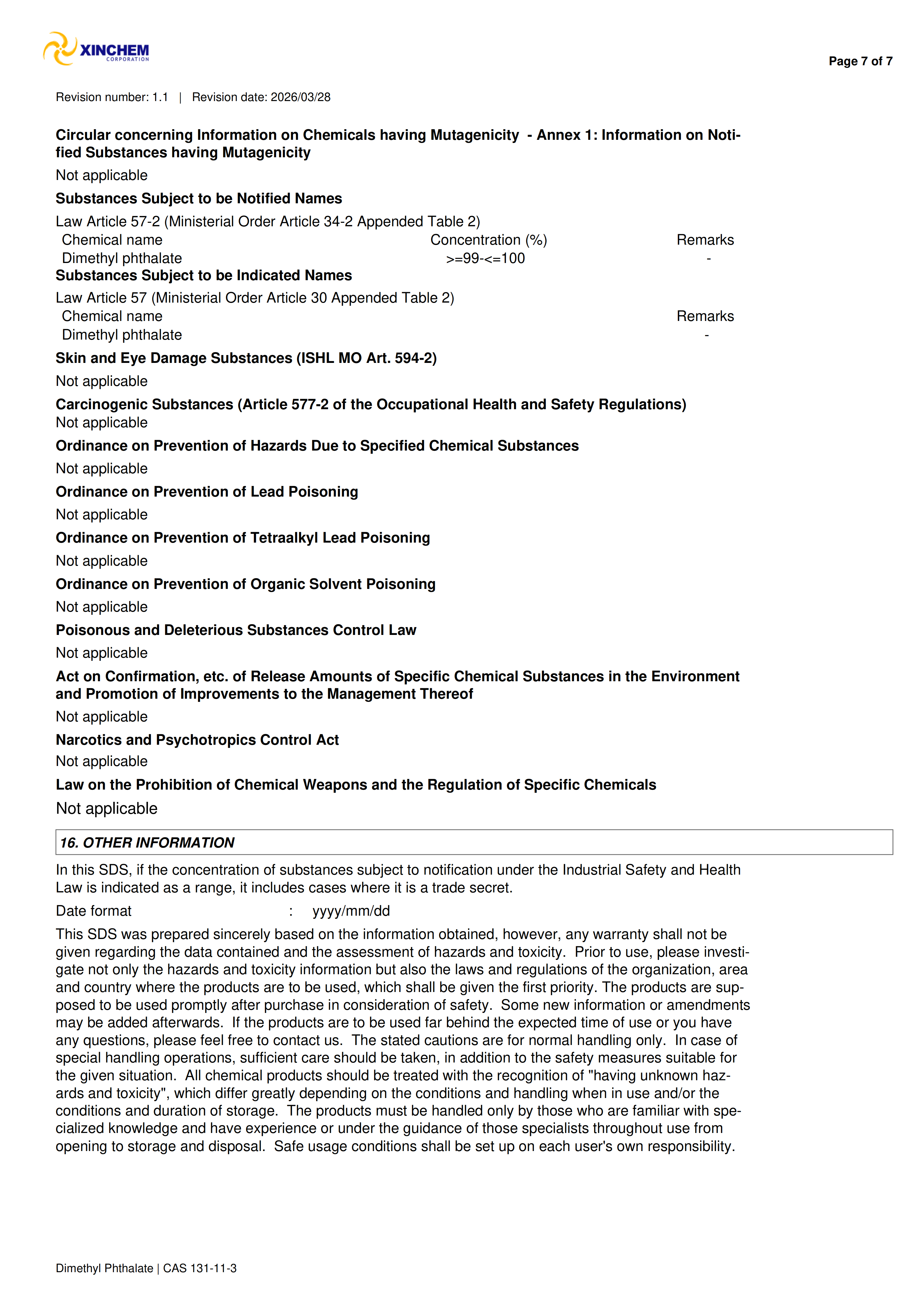
For safe handling, avoid inhalation of mists or vapours and prevent contact with eyes and skin. Use local exhaust ventilation or general dilution ventilation to maintain airborne concentrations below the occupational exposure limit. Personal protective equipment including safety glasses or goggles, protective gloves, and protective clothing is recommended. In case of eye contact, rinse cautiously with water for several minutes and seek medical attention if irritation persists. DMP is a combustible liquid; keep away from open flames, hot surfaces, and other ignition sources, and store in a dry, shady, well-ventilated area with containers kept tightly closed. Release to the aquatic environment must be avoided in accordance with applicable environmental regulations.