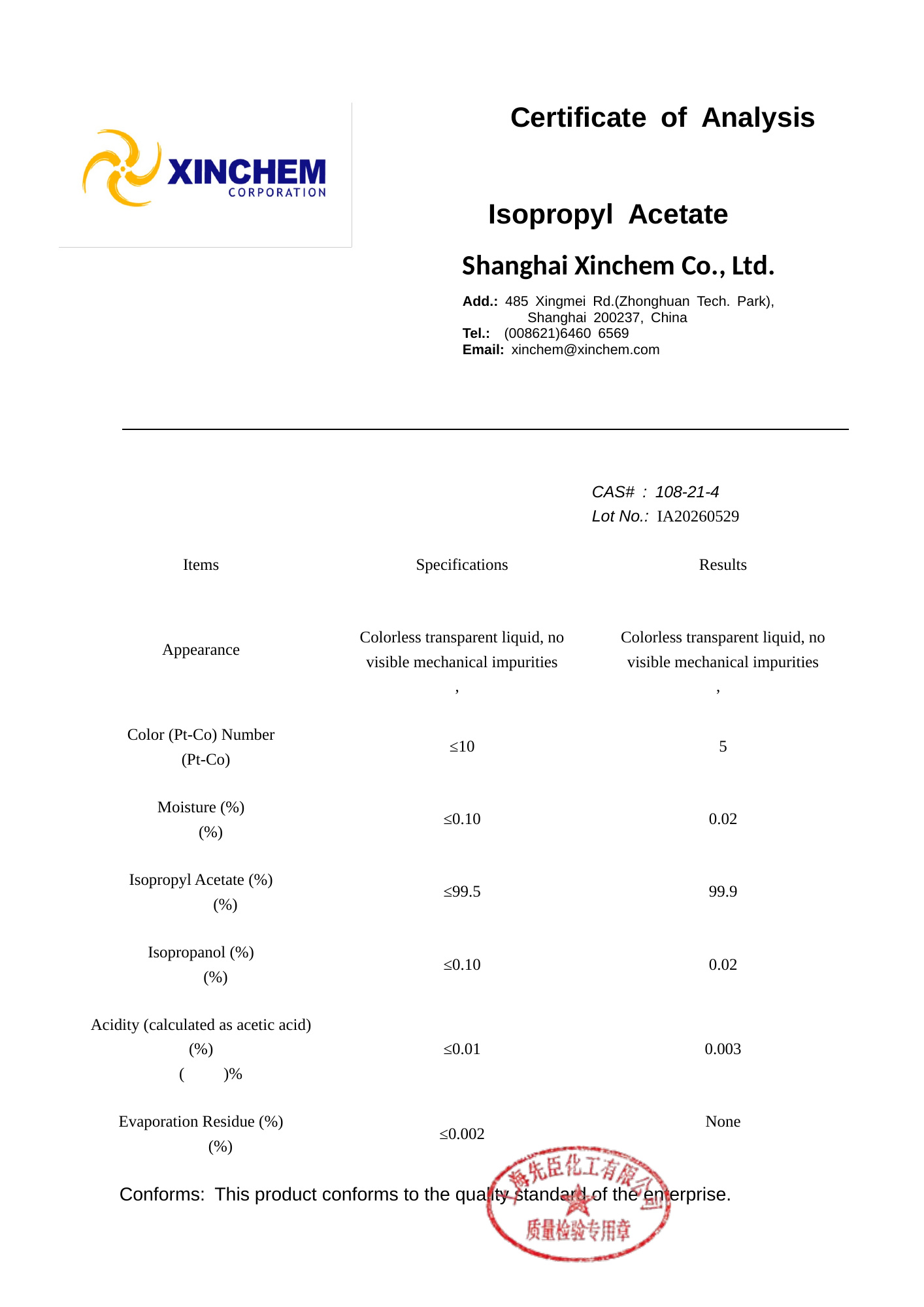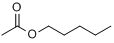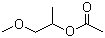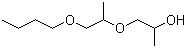


Isopropyl Acetate (CAS#108-21-4)
Chemical Properties
Isopropyl Acetate, chemically designated as acetic acid 1-methylethyl ester or 2-propyl acetate, is a clear, colorless liquid with a characteristic fruity odor. It is a highly flammable, volatile compound with a flash point of 5 °C and a boiling point of 85–89 °C. The substance exhibits a specific gravity of 0.872 at 20 °C and a vapor pressure of 47.1 mmHg at 20 °C. Its solubility in water is approximately 9268 mg/L at 25 °C, and it is miscible with most common organic solvents, including alcohols, ketones, ethers, and aromatic hydrocarbons. The compound has a mild, pleasant odor and is recognized for its excellent solvency power across a wide range of resin systems.
Applications
Isopropyl Acetate is a versatile industrial solvent with broad applications across multiple sectors, often referred to as a "universal solvent" in the coatings and printing industries. In the coatings and paint industry, it is widely used as a solvent for nitrocellulose, acrylic resins, polyurethane, epoxy, and vinyl resins. Its balanced evaporation rate and strong solvency power make it particularly suitable for high-solids coatings, automotive refinish paints, and wood lacquers.
In the printing and packaging sector, it serves as a solvent for flexographic and gravure inks, providing excellent flow and leveling properties while ensuring rapid drying. The adhesive industry utilizes it as a solvent for contact adhesives, pressure-sensitive adhesives, and hot-melt adhesive formulations. Additionally, it is employed in the production of artificial leather, film, and plastics, and as a cleaning solvent for electronics and precision parts. In the pharmaceutical and fragrance fields, it functions as an extraction solvent and a flavoring agent intermediate.
Preparation Method
Isopropyl Acetate is commercially manufactured through two primary routes. The most common industrial process involves the direct esterification of isopropyl alcohol with acetic acid in the presence of an acid catalyst, typically sulfuric acid or a strong acid cation exchange resin. In this process, acetic acid is initially present in 100–200% excess of the theoretical amount required for the reaction with the alcohol, and the reaction is conducted at distillation temperature to continuously remove the ester product.
A second major route involves the liquid-phase reaction of acetic acid with propylene in the presence of an acidic ion-exchange resin catalyst. This process is advantageous because it utilizes lower-cost raw materials and can operate under relatively mild conditions. A more recent development is the synthesis of isopropyl acetate through the esterification of ketene with acetone under acidic conditions, with an optimal reaction temperature of 45–55 °C. The catalyst with 1.5% volume fraction exhibits the best catalytic effect for this reaction.
Safety Information
Isopropyl Acetate is classified as a highly flammable liquid and vapor (Category 2, H225). It causes serious eye irritation (Category 2A, H319) and may cause drowsiness or dizziness (Specific Target Organ Toxicity, Single Exposure, Category 3, H336). The substance is harmful to aquatic life and presents a significant fire hazard due to its low flash point of 5 °C and wide explosive limits (1.8%–8% in air).
For safe handling, it is essential to keep the substance away from heat, hot surfaces, sparks, open flames, and other ignition sources. No smoking is permitted in areas where the material is stored or handled. Containers must be kept tightly closed, and grounding and bonding procedures should be followed during transfer operations. Explosion-proof electrical, lighting, and ventilation equipment must be used in all areas where the substance is present. Personal protective equipment including eye protection, protective clothing, and protective gloves is required. Inhalation of vapors should be avoided, and the material should only be used outdoors or in a well-ventilated area. In case of fire, alcohol-resistant foam, carbon dioxide, or dry extinguishing powder should be used. Storage should be maintained in a well-ventilated, cool area with containers kept closed and locked.